El valor de las habilidades interculturales en el trabajo

Video sobre los resultados de un estudio realizado por The British Council, Booz Allen Hamilton e IPSOS Relaciones Públicas, basados en los aportes de un grupo de Gerentes de Recursos Humanos de 367 grandes empleadores en 9 países: Brasil, China, India, Indonesia, Jordania, SudAfrica, Emiratos Árabes Unidos, el Reino Unido y los Estados Unidos. “Los empleadores reconocen la importancia de las habilidades interculturales en el lugar de trabajo.”

Video producido por Cultural Detective, Dianne Hofner Saphiere. Traducido al español por Nathaly Moreno.

Nuestro resumen sobre este estudio, escrito en inglés. Versión del video en inglés. Link al estudio original.

Royal Glitter in the Sober Dutch Egalitarian Culture

(Versión en español sigue el inglés)

In preparation for the exciting inauguration of the new Dutch king and his Argentinian-born queen tomorrow, I am pleased to be able to share with you an article that Cultural Detective The Netherlands co-author Eleonore Breukel has co-written with Marcelo Baudino. It is indeed curious that the Netherlands has a Monarch, and always amazing how current events can so well illustrate the values in a Values Lens. Read on to learn how.

Is there a Dutch identity? Is there respect without titles and formalities? The multicolored Dutch manage to combine royal glitter and soberness. They place their King in the middle of the egalitarian society. Together they guarantee freedom and democracy.

Who are the Dutch?
The Argentinean born Princess Maxima of the Netherlands once said in an official speech “There is no Dutch identity”. That statement was not well received by the Dutch public. What she meant was that the Netherlands is so multicultural that it is hard to label it with one single identity. In large cities in the Netherlands, English is heard more often than Dutch and a range of skin tones can dominate in crowded streets.

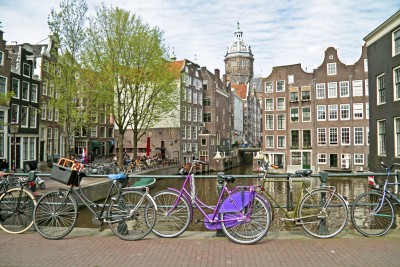
fietsenAMS-sOver the centuries people from all continents have come to the Netherlands in search of jobs, education, freedom of speech, a strong social system, and tolerance of race, religion and sexual orientation. Some came for the cannabis. It is a melting pot of people and languages. Immigration laws have become stringent. However, due to the open labor market of the European Union there is a large influx of European migrants, many come from Eastern Europe. Over time most immigrants adapt to the mainstream culture while changing that mainstream culture at the same time.

tulipspa0605_800x5391How egalitarian are you?
In the Dutch egalitarian society all people have the same rights and are treated equally under the same circumstances. The CEO of Shell or the Mayor of Amsterdam will be fined if they fail to pay a parking ticket or if they do not clean up after their dog poops on the street. The Dutch believe in equal rights, equal responsibilities and equal treatment – with the law as the authority – no matter who you are.

CEOs get their own coffee at work, the prime minister often commutes on his bicycle, and Princess Maxima’s kids go to a regular public school. A position of great responsibility doesn’t come with expectations of special rights or special treatment. This often confuses foreigners visiting Dutch organizations. Without formalities around status it can be hard to distinguish who the boss is. The Dutch communication style is also very informal and very direct. Respect is earned by training trust rather than through formalities, job titles or academic achievements.

Do Freedom and Trust sleep on the same cushion?
In the Netherlands they do. Freedom of speech, euthanasia, and use of soft drugs, are all permitted, but strictly regulated. There are laws, procedures and permits for just about everything. You even need a permit to cut down a tree in your own garden. All these regulations exist to protect both individuals and businesses. On one hand they slow down business processes but on the other hand it inspires trust. Like other Northern European countries, the Dutch trust the ability of their national institutions and the government to function well. Favoritism or bribing is punished severely. It is this trust which makes the social economic climate of the northern countries pleasant and predictable.

Soberness and glitter boost the economy
There is soberness in the Dutch culture, which contrasts greatly with the glamour and glitter of the Monarch’s annual ride in their golden carriage. Extravagance is often seen as wasteful and is met with disapproval. This has proved to be a positive trait during tough economic times when, but it can be very embarrassing if one brings an unexpected guest for dinner – meals are rarely prepared with the intention of having left overs.

This soberness, or rather disapproval of abundance and excesses, is rooted in history in the various forms of Protestantism of the Northern European countries originating in the 16th century. Each individual had to earn his salvation through soberness, honesty and hard work. The Protestants opposed the Catholic papal supremacy and authority and they condemned the grandeur of the Catholic ceremonies, the lavish and sinful lifestyle of its clergy, and the adornment of gold, precious stones and paintings in their churches. The Protestant houses of worship were large and empty, with simple ceremonies and no adornments that might distract from worshiping God. The Dutch followed the severe Calvinist doctrine within Protestantism.

Of course the Dutch have changed and very few still practice any form of religion. However some of the old values are expressed in new ways. The Dutch will prefer a solid car like a Volkswagen over a show piece such as a Lamborghini and many prefer to have more vacation days than a higher salary. Often couples decide that one of the partners will not work for some years after having children to prioritize time for family life over the luxury of two salaries.

DEN HAAG-PRINSJESDAG-BINNENHOFEven the royal family does not excel in extravagance or spending lavishly. Their expenses are always scrutinized by the public. They are thought of as walking advertisements for the country. Their beautiful clothes are often the work of Dutch fashion designers. Willem Alexander promotes Dutch water management and sports around the world. The royal family plays a large role in the local and global economy. Not only are they related to many wealthy European royal families, they are also part of an enormous network of the most important and powerful people of the world – from Barrack Obama to Nelson Mandela and from Ratan Tata to Bill Gates. Many of these people are not just acquaintances but personal friends.

When making state visits, large trade delegations accompany the royals. Dutch businessmen are introduced to local companies but also have the opportunity to talk to the royal family during their trip. It is always good to be “seen with your queen”.

Who wants to be queen?
Ask any woman in the street if she wants to switch positions with Maxima and the answer will be, “Oh heavens no, the poor girl”. It is hard to find anyone who wants to be king, queen or a member of the royal family. Status, glitter, travels, and money are not seen as attractive compensation for the responsibilities required. Members of the royal family are always in the public eye and must exercise great restraint airing their own opinions or simply being themselves. Even though Willem Alexander and Maxima have taken steps away from protocol to be closer to the people, every move, smile, and sentence is scrutinized. What will happen to the lively, enthusiastic and charming Maxima when she becomes queen? The country is waiting to see how she will balance these national contradictions.

About the authors
Eleonore Breukel
– Director of Intercultural Communication bv in Amsterdam
www.intercultural.nl  • ebreukel@intercultural.nl

Marcelo Baudino
– Socio Consultor Iceberg Intelligencia Cultural in Buenos Aires                              www.icebergci.com  • mbaudino@icebergci.com

Resources

http://en.wikipedia.org/wiki/Prinsjesdag
http://en.wikipedia.org/wiki/Protestantism
http://en.wikipedia.org/wiki/Calvinism

Brillo real en la sobria e igualitaria cultura holandesa
¿Existe una identidad holandesa? Existe respeto pero sin los títulos y las formalidades. Los multicoloridos holandeses lograron combinar al brillo real con la sobriedad. Ubican a su rey en el medio de una sociedad igualitaria. Juntos garantizan libertad y democracia.

¿Quiénes son esos holandeses?
Máxima, la princesa argentina de los Países Bajos, una vez dijo en un discurso oficial: “no existe una identidad holandesa”. Esta afirmación no fue bien recibida. Lo que quiso decir fue que los Países Bajos son tan multiculturales que es difícil identificar una sola identidad. Es un verdadero desafío incluso detectar una persona holandesa blanca en la multitud de colores cuando se camina en las calles de las grandes ciudades holandesas. Con frecuencia, el inglés es  más escuchado que el idioma holandés.

A lo largo de los siglos, personas de todos los continentes han emigrado hacia los Países Bajos en búsqueda de trabajo, estudio, libertad de expresión, tolerancia de razas, religión y orientación sexual, un sistema social sólido y algunos llegaron en búsqueda del cannabis. Un verdadero crisol de personas e idiomas. Las leyes de inmigración son más rigurosas hoy en día, sin embargo, debido al libre mercado laboral de la Unión Europea, la llegada de otros europeos, especialmente del este de Europa, es enorme.

Con el tiempo, todos los inmigrantes se adaptan a la cultura dominante mientras cambian que, al mismo tiempo, cambian a la cultura dominante.

¿Qué tan igualitario eres tú?
En una sociedad igualitaria como la holandesa, todas las personas tienen los mismos derechos y son tratados equitativamente en iguales circunstancias. El CEO de Shell o el alcalde de Ámsterdam serán multados si no pagan el estacionamiento cuando deben o si no limpian la suciedad que deja sus perros en la calle. Iguales derechos, iguales responsabilidades e igual trato, no importa quién eres. La ley es la autoridad.

Un CEO se sirve su propio café en el trabajo. El primer ministro suele ir a trabajar en bicicleta tal como lo hacen muchas otras personas. Los hijos de Máxima asisten a una escuela pública regular. Por más que uno tenga una posición con  mucha responsabilidad, no puede esperar obtener derechos especiales o un trato particular.

Esto puedo confundir a los extranjeros que visitan organizaciones holandesas, ya que es difícil distinguir quienes son los superiores cuando no existen formalidades específicas con respecto a las jerarquías. El estilo de comunicación holandés también es muy informal y directo. El respeto no se obtiene a través de formalidades, del trabajo o de títulos académicos, sino a través de ganarse la confianza.

¿La libertad y la confianza duermen en la misma cama?
En los países bajos sí. La libertad de expresión, eutanasia, drogas suaves, etc. son libertadas aunque estén estrictamente reguladas. Existen regulaciones, procedimientos y permisos para prácticamente todo. Necesitas un permiso hasta para cortar un árbol en tu propio jardín. Todas estas regulaciones buscan proteger a los individuos y a las empresas. Por más que hagan más lentos los procesos de negocios, también inspiran confianza.

Como cualquier otro país del norte de Europa, los holandeses confían en el correcto funcionamiento de sus instituciones y el gobierno. El favoritismo y los sobornos son castigados severamente. Es la confianza en la ley lo que define al clima social y económico como amable y predecible.

La sobriedad y el brillo impulsan la economía
Hay sobriedad en la cultura holandesa. Es un gran contraste con el glamur y el brillo de paseo anual en al carruaje de oro del monarca. Las extravagancias suelen ser vistas como un desperdicio. Los holandeses no son frugales pero no aprueban el derroche, un rasgo positivo en la época de las sustentabilidad de recursos. Si alguien llega con un invitado inesperado a una cena, puede causar mucha incomodidad en los anfitriones holandeses. Cuatro porciones son exactamente cuatro porciones y no cinco.

Esta sobriedad o rechazo de la abundancia y los excesos se retrae a las varias formas de Protestantismo de los países de Europa del norte en el siglo 16. Cada individuo debía ganarse su propia salvación a través de la moderación, la honestidad y el trabajo duro. Los protestantes estaban en contra de la autoridad católica suprema del papa y condenaban la grandeza de las ceremonias católicas, la vida de lujo y pecaminosa de su clero, los adornos de oro, piedras preciosas y pinturas en sus iglesias.

Los lugares de culto de los protestantes eran grandes y vacíos, con ceremonias simples y sin adornos o cualquier otra distracción que no sea la de venerar a su dios. Los holandeses siguieron la severa doctrina calvinista dentro del protestantismo.

Por supuesto que los holandeses han cambiado y las religiones se han desvanecido. Aun así, prefieren un auto sólido como un Volkswagen por encima de una pieza de arte como un Lamborghini. Muchos prefieren tener más días de vacaciones que un salario más alto. A veces las parejas deciden que sólo uno de ellos trabajo durante los primeros años luego de tener un hijo. Una buena vida por encima del lujo de dos salarios.

Incluso la familia real no se destaca por la extravagancia y por gastar profusamente. Sus gastos son siempre escrutados por la gente. Sus hermosos vestidos suelen ser de diseñadores de moda holandeses. Guillermo Alejandro es un promotor global de la gestión de agua holandesa y los deportes. La familia real juega un rol clave en la economía local y global. Además de estar relacionados con muchas realezas europeas, tienen una enorme red global de contactos importantes y poderosos. Desde Barack Obama hasta Nelson Mandela y desde Ratan Tata hasta Bill Gates. Muchas de estas relaciones no solo son conocidos, sino también amigos personales. En sus visitas de estado, los acompañan grandes delegaciones comerciales. Los empresarios holandeses son presentados a las compañías locales, pero también tienen la oportunidad de hablar a sus reyes durante el viaje. Siempre es bueno ser visto con tu reina.

¿Quién quiere ser reina?
Pregúntale a cualquier mujer en las calles de los Países Bajos si les gustaría intercambiar posiciones con Máxima y la respuesta será: “Por dios no, la pobre niña”. Es difícil encontrar a alguien que quisiera ser rey, reina o miembro de la familia real. Estatus, lujos, viajes, dinero no siempre compensan las difíciles tareas que tienen. Siempre en el ojo del público. Nunca poder ventilar tus propias opiniones. Nunca ser tú mismo. ¿Qué le pasará a la entusiasta y encantadora Máxima cuando se convierta en reina? Aun cuando los nuevos reyes decidan prestar menos atención al protocolo y estar más cerca de la gente, cada sonrisa, movimiento y oración serán pesados en una balanza de oro.

This article is a reprint, with permission, of the original. They’ve written a second article as well, entitled “Influence on Dutch Economy of the New King and Queen of Netherlands.”

Catalysts For Intercultural Conversations and Insights: Advertisements

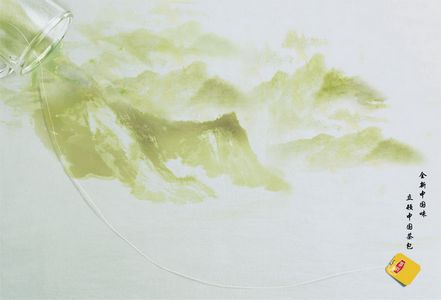
Lipton tea Chinese flowersThis guest blog post is written by Joe Lurie, Executive Director Emeritus, University of California Berkeley’s International House.

Recently, I taught a course attended by Chinese and French students on the intercultural challenges of marketing across cultures. Midway through the course I asked students to select a print, web or YouTube ad describing how the following items reflected cultural preoccupations, values and behaviors in their cultures:

  • the product being promoted
  • the selection of words in the headers
  • the images and colors being used to reinforce the message

After analyzing the ad as a reflection of one’s culture, the student was to ask a fellow classmate from another culture why the ad would or would not work in their culture. In one example, a Chinese student demonstrated how Lipton tea is marketed in China. He noted that no tea bag was explicitly shown, as tea bags do not speak to the traditional way of preparing tea in China, and so not the best way to convince people to drink the Lipton product in China. Rather, the image was of green tea flowing from a cup on its side, producing green images in the style of Chinese paintings of mountains, fish and flowers, each with a particular symbolic value in Chinese culture. Lipton tea Chinese mountains The French student who was interviewed had no exposure to traditional Chinese painting and saw not lovely images, but rather incomprehensible splotches! He added that the ad would not work in France as tea drinkers are generally accustomed to black or brown teas.

Color in many other ads revealed the power and status implications of yellow in China, yet something to beware of in France where it often suggests infidelity. Below from a French student are two different ways that Volkswagon is promoted in China and France, reflecting a powerful individualistic/collectivistic contrast, and a terrific way for students to engage in a conversation of cultural discovery: Below you will find an ad for a cleaning sponge selected by a French student, revealing what the student felt is a preoccupation with sex—reflected in explicit and other seductive ways in many other ads for other products in France. Sexual suggestions, so graphically portrayed, would not, according to the Chinese students in my class, be acceptable in Chinese product promotions. And in a French ad for BMW, a man is  shown making love to the body of a woman whose face is in fact a BMW!

BaijuuA Chinese ad for a very strong 38% alcohol rice beverage portrayed a bottle whose shape was interpreted by the French as a perfume bottle, and so it would not be a convincing way of promoting an alcoholic beverage there.

The bold red color signifying affluence and status for the Chinese was seen as over the top by the French students, who noted a preference in the French aesthetic for far more nuanced, muted colors. This prompted a spirited conversation between the Chinese and French in which it was revealed that ads with very high alcoholic content are discouraged or banned in France, but visual ads for condoms were common there, though not generally acceptable in China. That conversation ended with a comparison of toasting custom—the French “drink and sip” vs the Chinese GAMBAY or “bottoms up”—ALL at ONCE!

Should readers of this blog try this approach in their intercultural classes and training sessions, I hope you will consider sharing the fun and insights here….

—Joe Lurie
Executive Director Emeritus at the University of California’s International House, Joe is currently a cross-cultural communications consultant, university instructor and Cultural Detective certified facilitator. Contact Joe via email or LinkedIn.

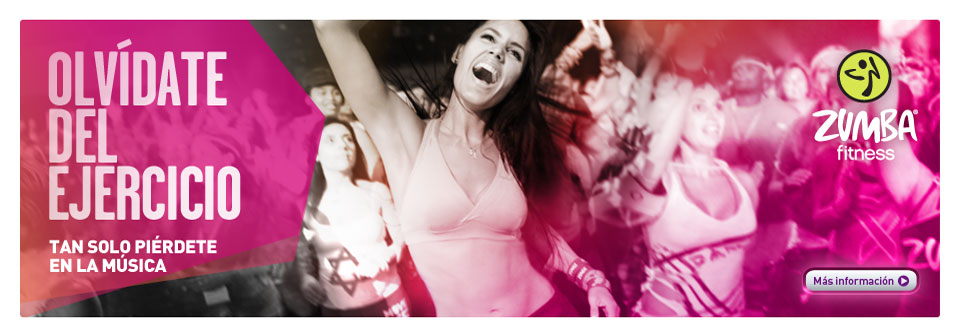
Al ritmo de cadera

Latinoamérica es sin duda sinónimo de ritmos y movimientos. Las cadencias que se mezclan en esta tierra son reconocidas en el mundo entero. Los ritmos tropicales como la cumbia, el merengue, la salsa y la bachata están presentes en cada discoteca que se pueda imaginar. O, cantantes de moda como el colombiano Juanes y su canción La Camisa Negra,  la cual internacionalizó la música de carrilera de nuestra región andina y la vine a escuchar en su versión original en un sitio nocturno en las afueras de Atenas hace unos años. Yo veía estas rubias tan hermosas tararear “tengo la camisa negra” y decía Dios mío ¿sabrán lo que están bailando?

Y la música da para todo, aún para seguirme sorprendiendo. Acostumbro a ver las actualizaciones de estado de mis contactos en BlackBerry messenger, uno de esos estados decía: Interesados en clase de Zumba, favor contactarme.

Hasta ahí no hay nada especial, lo sé, pero mi contacto es de Mumbai y está a muchos kilómetros de distancia del origen de Zumba. Era justamente Happy Holi para ellos, fiesta de color, así que saludé a Krishna y le dije cuán soprendida estaba con su invitación a Zumba. Ella no sabía que este nuevo ritmo que se ha tomado casi todos gimnasios del mundo – y no exagero – había nacido en Colombia, por cierto que me dijo: Querida si estuvieras en India ¡podríamos ir juntas!. ¿Cuándo imaginaría su creador estar también en los gimasios de la India?

Yo no he tomado mi primera clase de Zumba y supe de esto por una entrevista radial. Me encantó escuchar la historia de su creador, quien en busca de oportunidades se metió de profesor de aeróbicos, los cuales fueron furor en los años 90 por esa moda del buen estado físico que nos llegó de Estados Unidos. Este joven profesor un día cualquiera en su natal Cali, Valle del Cauca (Colombia) no encontró su cassette para una clase y tuvo que ese día recurrir a lo suyo para remplazar el rock y demás que eran el “must” y, con salsa y ritmos latinos hizo sudar a más de una sin darse cuenta que ahí comenzaba el giro de 360 grados en su vida.

No soy muy nacionalista, o por lo menos eso creo, pero cuando Krishna citaba a todos sus amigos a tomar clases me dije, le tengo que contar que eso es de aquí.

Acabo de visitar la web http://www.zumba.com/ y me gozo mirando que hay nueve opciones idiomáticas, que hacen diferencia entre portugués de Brasil o Portugal, y lo propio con el español de México.

Sí, la música es universal y nuestro sabor tropical parece que también lo es, sin embargo este profesor de aeróbicos logró junto con sus socios crear una firma global. Hoy está radicado en Estados Unidos y tienen desde DVDs hasta ropa y programas de certificación. Una buena idea, un buen socio y una excelente aproximación intercultural hace que Zumba sea para todo el que esté dispuesto a disfrutar.

¡A mover las caderas todos y hasta pronto!

To the Rhythm of the Hips
By Maryori Vivas, translated by Dianne Hofner Saphiere

Latin America is without doubt synonymous with rhythms and moves. The mix of cadences in this land are known throughout the world. The tropical rhythms such as cumbia, merengue, salsa and bachata are found in every dance club imaginable. Popular singers such as the Colombian Juanes and his song La Camisa Negra internationalized the carrilera music of our Andean region; I even heard the original version in a nightclub on the outskirts of Athens some years ago. I saw those beautiful blondes humming “I have a black shirt” and I said to myself, “My God, do they know what they are dancing to?”

The music gives to all, even as it keeps surprising me. I regularly check the status updates of my contacts in BlackBerry Messenger, and recently one of them said: “Interested in a Zumba class? Please contact me.”

Up to that point there is nothing special, I know, but my contact is in Mumbai, quite a few kilometers’ distance from the origin of Zumba. It was just Happy Holi for them, the festival of colors, so I gave Krishna my regards and told her how surprised I was with her invitation to Zumba. She didn’t know that this new rhythm that had taken over almost every gymnasium in the world — without exaggeration — had been born in Colombia. She told me, “My dear, if you were in India we could go together!” I’ll bet that Zumba’s creator never imagined that it would be in gymnasiums in India!

I have not taken my first Zumba class, and I learned about it via a radio interview. I was fascinated to hear the history of its creator who, looking for personal development opportunities became an aerobics teacher, which was the fitness rage in the 90s that arrived from the United States. This young teacher, one normal day in his birthplace of Cali, Valle del Cauca (Colombia), couldn’t find the cassette with the required rock music for his class that day. So he had to rely on his own salsa and Latin rhythms that made everyone sweat, and which turned his life around 360 degrees without his even realizing it.

I am not very nationalistic, or at least I don’t think I am, but when Krishna told all his friends to take classes I told myself, “I must tell him that it’s from here.”

I just visited the webpage http://www.zumba.com and enjoyed seeing that there are nine language choices, that they differentiate between the Portuguese of Brasil and Portugal, and Castillian with the Spanish of Mexico.

Yes, music is universal and it would seem that our tropical tastes are as well. And this aerobics instructor, together with his partners, was able to create a global firm. Today he lives in the USA and they have everything from DVDS to a clothing line and certification programs. A good idea, a good partner, and an excellent intercultural approach have made Zumba available to everyone who is willing to enjoy it.

To move the hips, everybody, and see you soon!

We Grow Up Thinking This Way

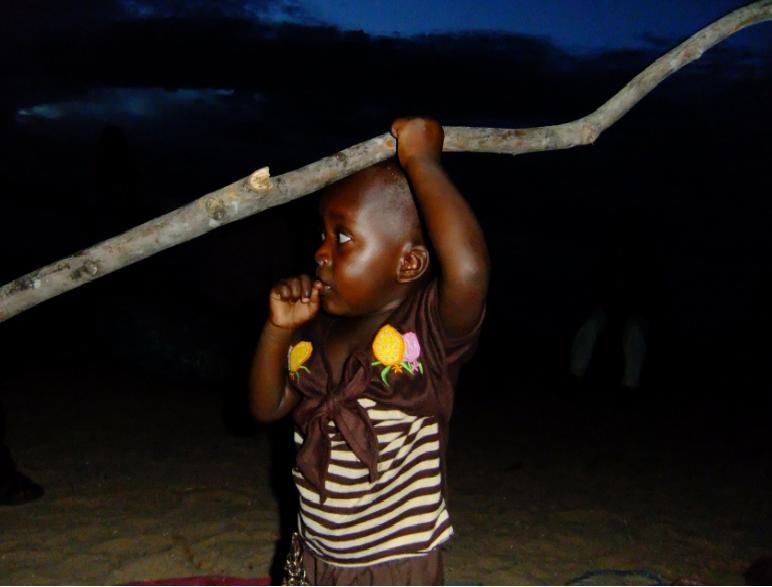
ImageHere is the massive gap in perception that requires one to completely shrug off any existing assumptions in order to comprehend. I took this picture in Malawi where a 3 year old child was captured working from dusk till dawn. The child was so small he was still sucking on his thumb. Some call it “child labour”, his family simply said to me: “family responsibility”

Another example. This time about I myself. Thirty something academic, not married, childless, not having a house, not even a car, and spending all my saving on “useless” journeys, some Asian newspapers who wrote about me described my life style as “extreme” and “rebellious”. I was, as a matter of fact, surprised and replied: “I thought wanting to live my own life was called “human right” !!!

What else? Endless examples. Terrorist or Freedom fighter? Rebel or Revolutionist? Gender (in)equality or respective social essence? Corruption or responsive favour system? …In short, where is the border line between universal right or cultural relativism?

You Trust a Quiz to Tell You Who You Are?

Your profile now!

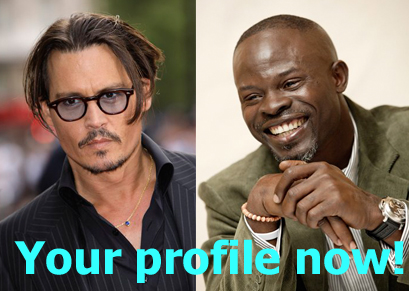
Depp photo @Examiner
Honsou photo ©Armando Gallo/Retna Ltd

You may have had the same experience I have: clients, students, trainees and colleagues often ask me what assessment tools I recommend. My response, of course, is “for what purpose? What do you want to assess?” Sadly they usually can not answer that question. They know they want something online, something quick. They want something that provides immediate feedback, either inexpensively or for free. But, they rarely have focused in on a purpose, on what they want to learn through the “assessment.”

Sometimes I hear, “To give our people a profile of themselves—a profile of their style that tells them who and how they are.” The assumption is that, by understanding ourselves via this hypothetical quick, online, inexpensive or free assessment, we will immediately (almost magically) become empowered to collaborate more effectively across cultures.

Now don’t misunderstand me: assessments and inventories can be incredibly helpful tools. We are all better served by understanding our learning styles, personality traits, and communication skills. Taking a quick online assessment can also be fun. Heck, those quizzes in the magazines can be entertaining: What kind of personality am I in the bedroom based on whether the quiz says I’m more attracted to Johnny Depp or Djimon Honsou. I had fun just writing that sentence!

However, I can’t help but feel the world is just a WEE bit out of whack when we trust a personal profile, produced by a quick survey, more than we trust our own 20, 50 or more years of experience living with and as ourselves. Profiles can be informative: they can stimulate thinking and conversation. But they are not going to, in and of themselves, improve my ability, either in the bedroom or to work cross-culturally.

What causes us to want a profile? We are by and large intelligent people. We are adults. We know ourselves. Many of us want the quick and easy “answer” because our days are so full. Many of us don’t take time for contemplation, practice, or deep meaningful dialogue—even though these are precisely the acts via which wisdom, happiness and, yes, competence are achieved.

Let’s face it: intercultural competence, like all the other important abilities in life (good parenting, sound health, even skills with technology) involves PRACTICE. We need to stay current, we need to both broaden and deepen our abilities and experience.

So, keeping in mind the importance of HOW we use assessment tools, and the importance of a regular structured practice to improve our abilities, there are a handful of “profile” tools in the cross-cultural field that I find useful. Why do I like these particular instruments? They involve or encourage the contemplation, practice and deep meaningful dialogue of which I’ve written, and that research shows is required in order to improve cross-cultural competence. Some tools I can recommend are:

  1. Cultural Detective Self Discovery: This unique product in the Cultural Detective series helps individuals to investigate their cultural identities and develop a “Personal Values Lens.” Through a structured sequence of short exercises and discussions, individuals identify their core values, the positive and negative aspects of these values, and the thinking and behavior that flows from them. They then explore how their values and behaviors may be similar to and different from those of cultural groups. This Personal Values Lens can be used in conjunction with the Cultural Detective Online system for individualized structured learning, or, better yet, with the guidance of a facilitator or coach.
  2. The International Profiler: This terrific tool by our friends and colleagues at WorldWork involves a web-based psychometric questionnaire, followed by coaching sessions, to help develop an individual’s ability to operate effectively in unfamiliar cultural contexts. Nigel Ewington has been piloting ways of combining The International Profiler (TIP) and Cultural Detective (CD), to harness the best of both. Perhaps we can ask him to do a guest post about that?
  3. Personal Leadership: This methodology offers a way of being and interacting with the world that begins from the “inside out,” one that asks people to be fully present in their lives, awake to their habitual behaviors, and willing to look at situations with “beginner’s mind.” Of particular interest in this context is the personal visioning practice. Barbara Schaetti and Heather Robinson and I have created a MashUp process aimed at leveraging the dynamic interaction possible with Personal Leadership (PL) and Cultural Detective (CD).
  4. The Intercultural Development Inventory (IDI), originally based on the Developmental Model of Intercultural Sensitivity (DMIS), is a statistically reliable, cross-culturally valid measure of intercultural sensitivity. What I love about it is that it is developmental: great for charting individual or group progress. It can be completed online, with the assistance of a qualified administrator, and involves individualized feedback. Ideally the IDI is used as part of a process that also involves development planning and coaching.

We can have all the information in the world about ourselves, but if we do not have the courage and diligence to act on it, it is worth very little. None of the tools discussed above provides instantaneous transformation or the magic pixie dust of cross-cultural collaboration. Nor, I imagine, will they give me an evening with either Johnny or Djimon. But with ongoing, mindful practice and the guidance of a good coach or trainer, we will find worlds open to us that we might never have imagined, and we will develop the ability to collaborate more effectively across cultures—exactly what many of our clients are asking for. Each of the tools above dovetails very well with the Cultural Detective Series: TIP and IDI can help you chart progress using CD as a developmental tool, and PL helps ensure the inner work that should accompany CD use happens.

There are many more inventories, assessments and collaborative tools in the intercultural field. What are some of your favorites? How do you use them for maximum effectiveness? How do you motivate yourself and others to practice? What do you wish existed to address specific developmental needs and challenges?