“Belief Holding” as an Intercultural Competence – Religious less motivated by compassion

Frequently and for many years I have cited Milton Rokeach’s The Open and Closed Mind when people ask me about intercultural competence. In this book he talks about the importance of holding beliefs tentatively and situationally instead of imposing them on or expecting them of others.

“A closed way of thinking could be associated with any ideology regardless of content. It includes an authoritarian outlook on life, an intolerance towards those with opposing beliefs, and a sufferance of those with similar beliefs.”

According to this line of thinking, open-minded people may hold their beliefs firmly and strongly, but they also respect others’ rights to believe something different. They believe their path is right for them, but they do not believe it is necessarily the one and only path for everyone on the planet. “It is not so much what you believe that counts, but how you believe,” Rokeach tells us.

In our current age of heightened religious and nationalistic fervor, “belief holding” or “permeability of beliefs” seems more important than ever. As do religious or spiritual beliefs as dimensions of culture and cross-cultural interaction.

In this context, today I read the headline, “Highly Religious Less Motivated by Compassion.” Oh dear. I read on to find out that it is the key finding of social psychologists at the University of California Berkeley, who have conducted three separate studies since 2004 on a largely US American sample.

“Overall, we find that for less religious people, the strength of their emotional connection to another person is critical to whether they will help a person or not. The more religious, on the other hand, may ground their generosity less in emotion, and more in other factors such as doctrine, a communal identity, or reputational concerns.”

Perhaps it is time for all of us who coach, train, or educate on the topic of intercultural communication to remember this important competence, which was first published back in 1960.
Syria — The war within and between

Many have asked me to give a briefing on Syria because I am here in person. Well, here is that briefing, in a VERY simple way.

To many people, the war in Syria is just another Arab Awakening. Being in the country myself, I realize that this is not at all the case. There are at least three conflicts going on:

  1. A true Arab Spring involving young liberals regardless of religious backgrounds, demanding regime reform and democracy.
  2. A war between two Islamic sects, the Alawite government and the Sunni opposition.
  3. A political game with hidden agendas among the big boys (US, EU, Iran, Israel and Saudi).

Mainstream media in the West seems more likely to feature war number 1 and manipulate war number 2 to the advantage of war number 3. Those representing the opposition who appear on CNN and BBC look liberal, westernized and almost victimized.

Next, the media backed by (Sunni) Saudi will call for jihad to provoke war number 2. I saw with my own eyes an opposition’s channel broadcasting from Saudi called “Sunni blood as one.” Note that the Syrian president is not a Sunni Muslim; he is from Alawite, a small sect of Islam.

Last, micro media — social media (blogs, Twitter, forums…etc) and word of mouth will keep circulating around zillions of conspiracy theories and guesswork about war number 3. For example, one of them I have heard: “The West does not want to topple the government; they just want to keep Syria in conflict to the point that it would benefit Israel and weaken Iran, who is Syria’s big ally.”

In this age when images and video clips dominate and cloud our thinking, one easily loses the big picture and falls victim to the vivid power of visual effect. As a good Cultural Detective, please pay attention to hidden biases.

As a journalist, I have the power to CHOOSE what to report. Is there something called “complete objective journalism”? I doubt it.

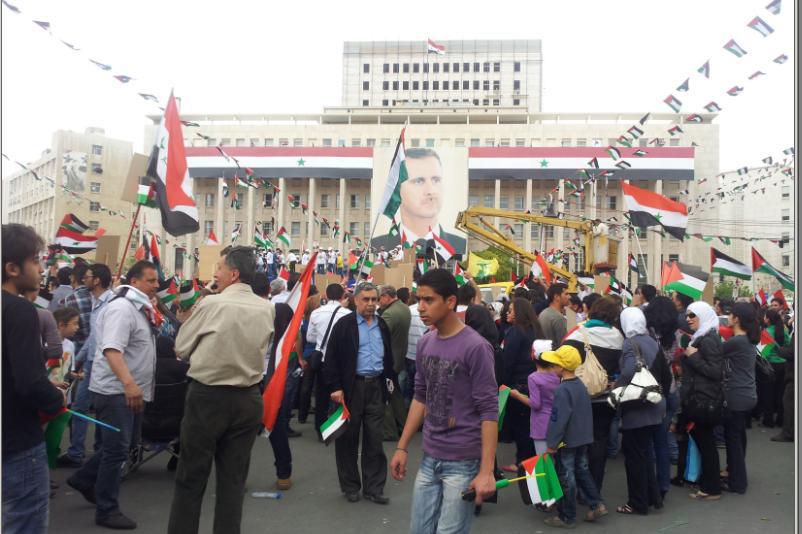
I have seen demonstrations for and against the regime. Which one would I report? Most secret journalists in Syria would choose to capture the opposition because they and their news (sub)consciously support wars number 1 and 3.

I’ll make a counterbalance here to share with you a view on war number 2. This is the picture of the regime’s supporters who gathered to celebrate with cheerful music and dance. Quoting a local from the crowd: “To be honest, our president is not perfect. But between him and the Sunni extremist opposition, I would go for the lesser of the two evils.”

With Love, from War-torn Syria

On my second day in Damascus, I moved in with Noura and her family, only to find out that … they themselves have just miraculously escaped from their home town, Homs – the city that is being bombarded and torn apart by civil unrest!

Her brother has gone to school only 30 days this year. They were trapped in their house for two weeks without electricity. Each time they go to the grocery they are uncertain of ever being able to come back. Leaving their only source of income – an internet café – behind, the single mom and her two children have been struggling to avoid falling apart. With very limited resources, this refugee family has been hosting me, feeding me, loving me, giving me a bed, and escorting me to all sorts of sightseeing places that a tourist is supposed to visit. And all that amidst tears, fear, sadness, worries and uncertainty about their future.
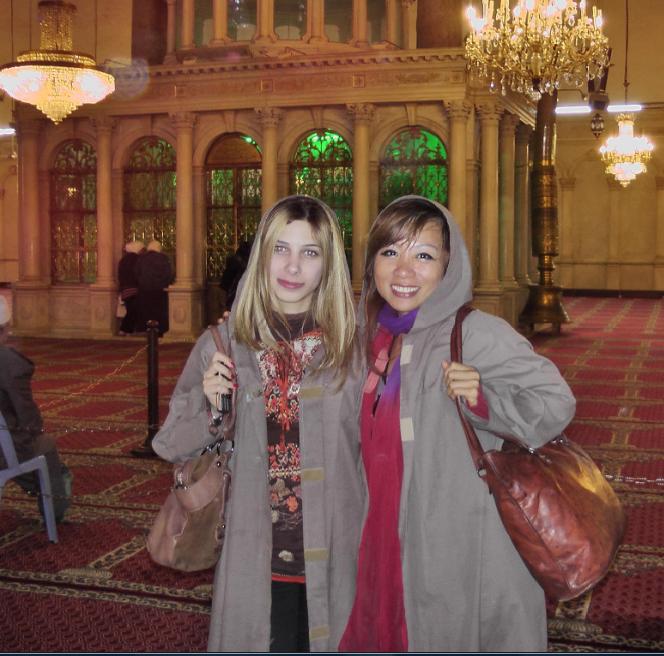
In this picture, Noura and I are under the hooded cloaks, visiting Umayad Mosque, one of the earliest mosques in Islam, built on the 3000 year old remains of an Aramean temple. The worship site was turned into a Roman temple, later converted to a Christian church, and finally was dedicated to Islam in 636 (only four years after the death of Prophet Mohammad). The rich history of this mosque reminds us that holy sites should not be seen as the monopoly of one religion, and that we are the result of an accumulated heritage.

Looking at the chaos in some of the Arab countries right now, I can’t help wishing those various branches of Islam could understand this simple notion. And may the extremely hospitable people of their countries, like Noura’s family, teach them the lesson of co-existence, even in time of harshness.

Spiritual Traditions, Passover and Easter Greetings

Throughout my life I have felt strongly that most of the world’s spiritual traditions, paths and practices share a great deal in common. Of course they have significant differences, and in understanding those differences we come to appreciate the true beauty of each. At their core are perhaps some messages hugely important to all of us and the well-being of our world.

Please allow me to wish those of you who practice a blessed Easter and a blessed Passover, Pesach Same’ach. I would like to take this opportunity to share with everyone a prayer and hymn which I sing in my heart frequently during my travels, whether I’m journeying through daily life or through the world at large. While it is a Christian hymn, I believe it carries a message that resonates with many of us who embrace interculturalism and diversity.

First in Spanish, as I most often hear it and think it living here in Mexico, then in English. The words are from Saint Francis of Asisi.

Hazme instrumento de tu paz,
donde haya odio lleve yo tu amor,
donde haya injuria tu perdón Señor,
donde haya duda fe en ti.

Hazme instrumento de tu paz,
que lleve tu esperanza por doquier,
donde haya oscuridad lleve tu luz,
donde haya pena tu gozo Señor.

Maestro, ayúdame a nunca buscar
querer ser consolado sino consolar,
ser comprendido sino comprender,
ser amado sino yo amar.

Hazme instrumento de tu paz,
es perdonando que nos das perdón,
es dando a todos que tú nos das,
y muriendo es que volvemos a nacer.

O Maestro hazme un instrumento de tu paz.

Make me a channel of your peace,
Where there is hatred let me bring you love,
Where there is injury your healing power,
Where there is doubt true faith in you.

Make me a channel of your peace,
Where there’s despair in life let me bring hope,
Where there is darkness only light,
Where there is sadness ever joy.

O Master, grant that I may never seek
So much to be consolded as to  console,
To be understood as to understand,
To be loved as to love with all my soul.

Make me a channel of your peace,
It is in pardoning that we are pardoned,
In giving to all that we receive,
And in dying that we’re born to eternal life.

O Master… Make me a channel of your peace.

Please, share with some of your favorite prayers, meditations and blessings, with a bit of context so that we might learn, won’t you? Another of my childhood favorites comes from the Navajo tradition, but I will save that for another time.

Dinner in Damascus

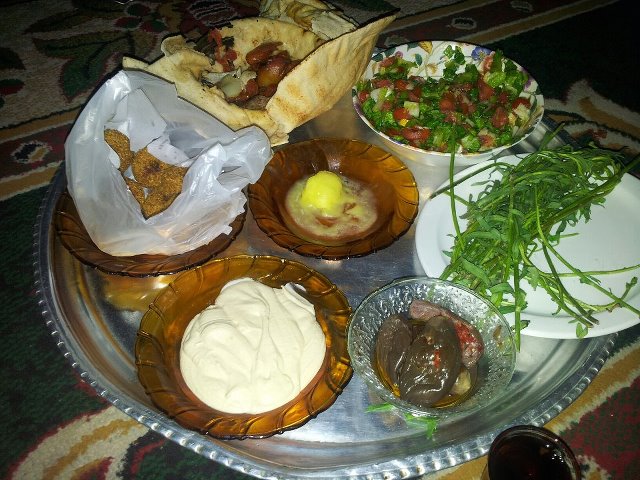
Punch me! Punch me! Tell me this is not a dream. I’m actually in war-torn Syria right now. This is my first meal here with a super hospitable family from Damascus who took me into their home the first second I crossed the border. I was watered, fed, washed, loved and pampered without even asking. Laying in bed last night I could not close my eyes, just listening to the shooting in the far away street …

—–

I am co-author of Cultural Detective Vietnam, and am in the midst of a journey that traces the path of Islam from its origins as it spread outward around our planet. Thank you for following!

Culture Change and Free Speech

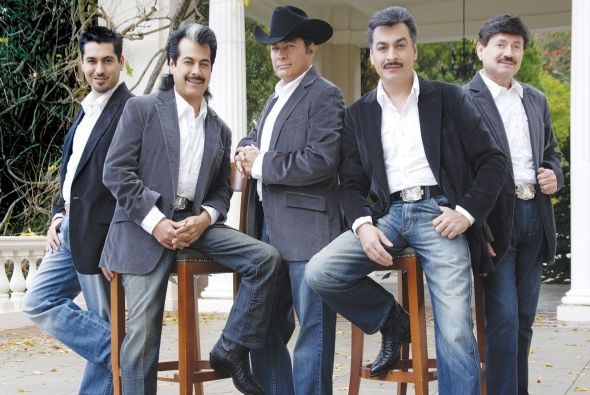
Los Tigres del Norte, one of my favorite (and one of the world’s most popular) bands, was banned yesterday from playing in the city of Chihuahua. They were banned because they played a very popular narco-corrido based on a soap opera and book, La Reina del Sur. The ban occurred not in some foreign place that might be unfamiliar with the band’s norteña music, but rather in a city that is steeped in norteña culture. The Mexican press, and most Mexican people, are upset about and vocal in objecting to this cavalier censorship.

A bit of background is in order. As has been well publicized worldwide, Mexico has been a sad battle route in the drug buying and the arms selling of its northern neighbor. Locally and similar to criminals worldwide, drug lords take over and strong arm mountain pueblos, also sometimes building schools or hospitals and taking care of people, thereby building loyalty and security for themselves.

Around this drug trade has grown a culture, which has closely mixed with the pre-existing norteña culture. That cultural mix includes a style of dress (one extreme is those tippy-toed guarachero boots), a unique vocabulary and style of speech, songs (narco-corridos are songs that glorify the life of the outlaw), and even a patron saint whose image, likeness and altars can be found in most any colonía (Jesús Malverde, so-called patron saint of the drug lords and lost causes).

Mexico is a large country, as is northern Mexico, and norteña culture as influenced by narco culture has a diversity within it. There is also spillover; many people who have nothing to do with the drug trade may build an altar to Malverde (unwed mothers may pray to him, for example, as might people who have lost their jobs) or have his face emblazoned on the window of their pickup truck. And, MANY of them listen to what can be called narco-corridos. The particular song for which my Tigres were banned, ironically, ends with the outlaw (a woman) being punished for her crimes.

I believe that most Cultural Detectives value free speech, and do not believe in censorship. It is interesting, though, that this ban occurred because Chihuahua city is trying to change its culture. It is trying to take the narco out of norteña, to stop the glamorization of criminal activity, to restore responsibility and good citizenship to its citizens.

It is personally ironic to me because last year, I posted on the Facebook page of another favorite band of mine, la Banda El Recodo, sharing with them my disappointment that they had released a song so far below the respect and esteem with which they are held by the public (the song talks about guns, arms, bulletproof vests; it encourages people to get drunk and shoot bullets into the air; the official video involves non-stop drinking, high-priced cars and watches, and ends with the lead singer pretending to shoot the viewer). In hindsight, was I censoring? I know my motivations were the same as those of the city of Chihuahua: El Recodo is at the top of their craft; people respect them. I love them, and I love Mexico. I wanted them to stand for and promote what is good about Mexico, help make it a better place, not glorify and feed the worst of our local culture.

What do you all think? We interculturalists work with culture change on a daily basis. Have you advocated censorship in your role? Have the opinions you’ve expressed served to censor another? What are your strategies for culture change?

Inside Egypt: Recent Gallup Poll Results

English: Derivative work of File:BlankMap-Worl...

Image via Wikipedia

We have all been captivated by the hope, strength, and commitment to democracy of participants in the Arab Spring. I’ve also long been a “fan” of Egypt, studying Arabic for two years while living in Tokyo, in hopes of relocating to that country (hasn’t happened yet). Thus, I was excited recently to be able to hear Mohamed Younis speak about Gallup’s research in Egypt.

Over the past decade I seem to quote more and more from Pew Research, so I was very happy to see that Gallup has made a major commitment to conduct 100% self-funded, independent polls regularly in 140 countries. This should provide invaluable data for the intercultural field.

The research on Egyptians’ opinions that Mohamed presented had been conducted just after the parliamentary elections, in December 2011. The top findings he shared with us included:
  • Despite recent challenges in the country’s transition, Egyptians are still optimistic that Mubarak’s overthrow will improve their lives.
  • There is overwhelming confidence in the transparency of the upcoming presidential elections and in participation — 86% of those polled plan to vote in the presidential election.
  • Most Egyptians believe SCAF will hand over power to a civilian government after the presidential elections.
  • Islamists and Liberals very much agree on the issues of most immediate concern for Egyptian households, including women’s rights and economic priorities such as inflation and jobs.
 Some other interesting statistics from the polling:
  • 63% of the Egyptians polled felt that protests and revolts in their country have been the result of an indigenous desire for change. Mohamed said he felt this reflected a “hyper-nationalism” and “hyper-distrust” of foreign intervention, which he said can also be seen in the fact that 46% of the Egyptians polled opposed NATO intervention in Libya (compared to just 18% who were in favor).
  • Our group of listeners was largely US American, so Mohamed shared that 41% of the Egyptians polled said closer relations between Egypt and the US would be a good thing. 40% said it would be a bad thing, for a fairly even split on the issue. His interpretation is that this split is closely related to the fact that 73% of the Egyptians they polled do not feel that the USA is genuine in supporting democracy (rather they support their allies and economic interests).
  • When asked “If drafting a constitution for a new country, which rights should be included?” the vast majority of those polled cited freedom of speech, freedom of religion, and women’s rights (ahead of others in the region). The people of Egypt are definitely envisioning a representative government.

During questions and answers, Mohamed told us how some of the Islamist parties had won seats because they had bankrolled local services such as providing burial services or pilgrimages to Mecca for those who couldn’t afford them. He did not feel the rise of these parties reflected a rise in Islamism per se, and definitely not in the desire for a theocracy.

When asked what foreign governments could do to support Egypt, the clear response was: trade not aid, due to the rising sense of independence, nationalism and regionalism he perceives.

Mohamed also talked about the need for education around democracy, and the fact that an overthrow of Mubarak is not in itself going to create jobs. He said many young Egyptians expect a government job, with high salary and a pension, but with 80 million people and much poverty, they can not expect what young people in Saudi might be able to expect.

When asked about the high price of gas sales to the Sinai, and the fact that many Egyptians blame the Camp David Accords, Mohamed responded that even though this has nothing to do with the peace accords, they are nonetheless blamed. Most Egyptians have no interest in re-engaging Israel.

When asked about security for the Coptic church, Mohamed reiterated that most Egyptians very much respect religious diversity, and that the decision to protect churches was not a government mandate but rather an organic, people-led effort.

If you’re interested in hearing Mohamed present the Gallup findings, they do have a video posted and you can also find a download of his slides. He mentioned there was also audio available on iTunes.

Please note that any errors in my report of the data and Mohamed’s comments are no doubt my own.

Other Gallup reports on related subjects available online:

Link

I have been waiting for someone to speak in an even-handed way to the pros and cons of the KONY 2012 video, which so many of us have had to respond to with a complex mix of feelings. Thank you, Liz Grover, for passing this on to us. Thank you, Laura Peterson, for taking the time to sort through your heart and your experiences and share your thoughts with us: Kony 2012 – My 2 Cents | Hands to Hearts.

“Never Again,” an Apropos Motto in a Climate Increasingly Hostile to Roma

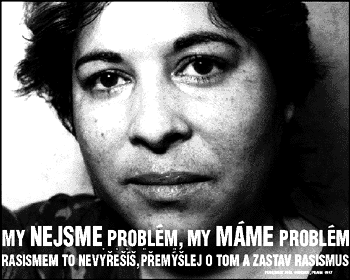
"We are NOT the problem; we HAVE a problem. You won't solve anything with racism.
Think about it and stop racism."
(Czech anti-racism ad campaign poster)

Two generations have not yet passed since ninety percent of Czech Roma, and between a half million and two million European Roma in total perished at the hands of the Nazis in The Great Devouring, or Porrajmos, the Romani word for the Holocaust. Roma, also known by the pejorative term “Gypsies,” make up the largest minority in Europe today with some 10 to 12 million members. Roma face fierce discrimination in accessing employment, education, health care, and public and social services. In spite of repetitious cases of racist violence and hate speech targeting Roma, the community continues its struggle for human rights all across the continent.

Two years ago I paid my homage to those who died in Auschwitz and Hodonín u Kunštátu, a Czech concentration camp for Roma. “Tensions in society are heightening. Perhaps the time will come again when we are sent away to designated areas,” were the words of the priest leading the commemoration service.

Today, many in the Romani community echo these fears, afraid for their safety since numerous neo-Nazi-led marches have been taking place periodically across the country, and several arson attacks at Romani residences have been perpetrated by white supremacists. Racial tensions have been growing more intense with the media printing negative stereotypes, inventing damaging reports and spreading fabricated accounts blaming criminal acts on members of the Romani community.

In mid-February, the director of the European Roma Rights Center, testified that violence against the Roma is on the rise at a hearing in Washington DC held by the Commission on Security and Cooperation in Europe (US Helsinki Commission).

In the Czech Republic, where I was born and raised, a study on extremism commissioned by the Czech Interior Ministry states that there are currently about 4,000 militant neo-Nazi activists in the country. Experts warn that violent crimes committed by neo-Nazis against Romani people will likely rise. The risk of race wars in some regions of the country, specifically between gangs of white Czechs and groups of ethnic Roma, looms large, experts say.

Today’s white supremacist movement is pan-European (with strong German and Italian influences), and international (namely US-inspired). Since the years 2008 and 2009 the movement has become more radicalized and organizationally sophisticated in the Czech Republic, becoming more visible in the streets and infiltrating the political scene.

In Hungary, an armed militia group has been patrolling and terrorizing a Romani village. This following a series of racially motivated murders.

“Gypsy criminality” is one of the most prevalent anti-Roma stereotypes. It permeates all parts of central European life—and can be found as commonly in the media as the local pub. The Roma are also said to abuse welfare and to not want to work. The World Bank just showed the former was absolutely untrue in Slovakia. The latter is a also a damaging myth held by the white majority. These stereotypes are all the more exaggerated in light of the economic downturn and the scarcity thinking the crisis triggers in the white majority.

What are the solutions? Many rights groups are pushing for economic betterment in the form of job creation and training. Organizations are active in producing independent media with a human rights bent, as well as waging campaigns pressuring mainstream media outlets to be accountable and responsible in their reporting. Key are also positive opportunities for cross-ethnic social interactions and education. Those aware must remain vigilant and spread the word about the threat of extremism that exists in European societies. We must never again permit another Great Devouring.

The Hidden Yemeni Beauty

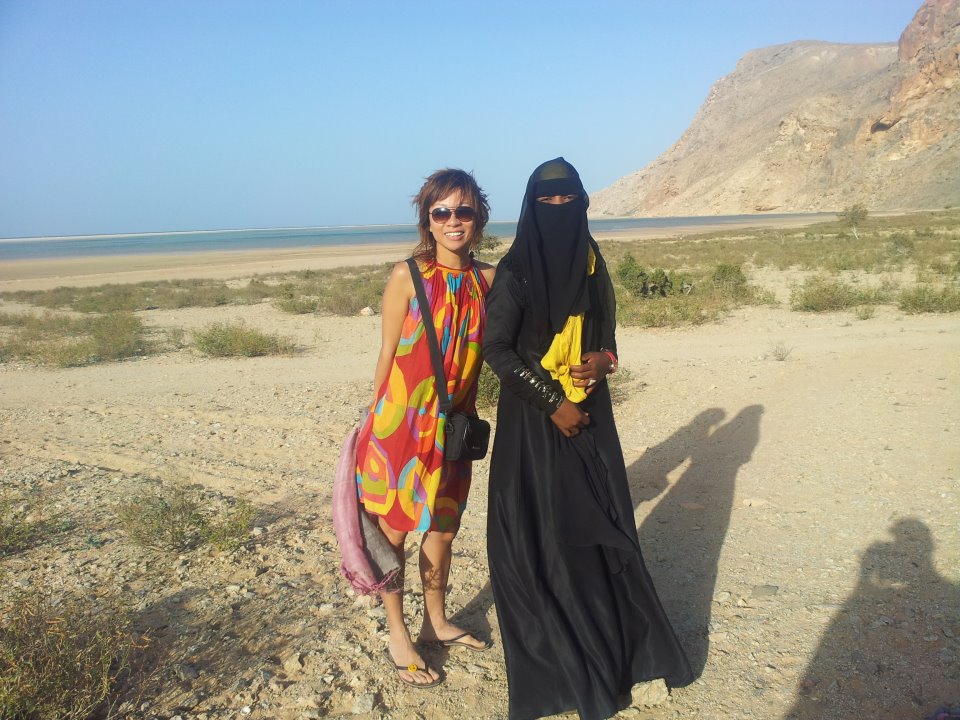
Open a new window now and google “Socotra” – one of the most beautiful islands I’ve been to. Socotri people are not only as hospitable as the mainland people but also very open.

Seeing me approaching with a male tour guide, this girl in the picture stood up to her feet, came rushing to stop us on the road and started talking with both her hands and her body. She then wanted to send my tour guide back to the camp site so she could invite me home. Later on my tour guide told me he was actually……well,…scared. He has realized that with the revolution girls have turned somewhat less conservative. He has never seen someone that open before.

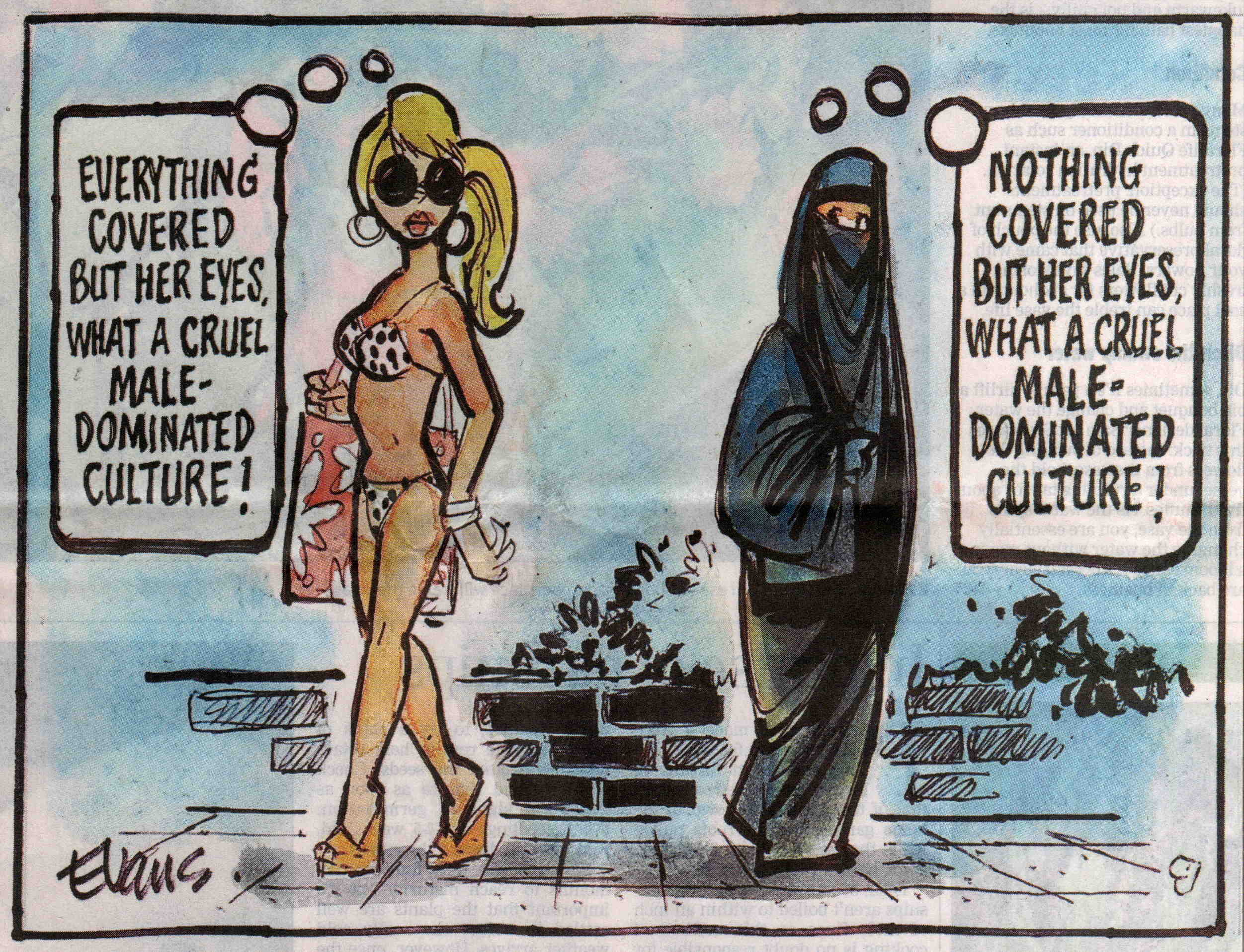
After months of traveling in the Middle East, I have learned that the black veil can easily mislead our opinions. Until now I still can not get used to the fact that all my Yemeni girl friends came to visit me like a big shadow devoid of identity. The moment they step inside, black abayas are taken off and they turn out to be very modern young people with perfect English. They know the lines of most MTV hits, they sometimes swear like a rapper, dance like Beyoncé and at the same time they can engage in serious debates and discussion of the most sensitive topics such as homosexuality and prostitution. The youth that started the revolution in Yemen may look like oppressed women according to Western perceptions, but they are exceptionally brave. Look at what they have achieved: A transition to new power without violence – the only peaceful Arab spring so far in the region.

—–

Thank you for following me here on the Cultural Detective blog! I am a proud member of this team, and co-author of Cultural Detective Vietnam. I am in the midst of a journey that traces the path of Islam, from its origins as it spread outward around our planet. You can follow my journey daily in Facebook or via my blog.