(Versión en español sigue el inglés)
In preparation for the exciting inauguration of the new Dutch king and his Argentinian-born queen tomorrow, I am pleased to be able to share with you an article that Cultural Detective The Netherlands co-author Eleonore Breukel has co-written with Marcelo Baudino. It is indeed curious that the Netherlands has a Monarch, and always amazing how current events can so well illustrate the values in a Values Lens. Read on to learn how.
—
Is there a Dutch identity? Is there respect without titles and formalities? The multicolored Dutch manage to combine royal glitter and soberness. They place their King in the middle of the egalitarian society. Together they guarantee freedom and democracy.
Who are the Dutch?
The Argentinean born Princess Maxima of the Netherlands once said in an official speech “There is no Dutch identity”. That statement was not well received by the Dutch public. What she meant was that the Netherlands is so multicultural that it is hard to label it with one single identity. In large cities in the Netherlands, English is heard more often than Dutch and a range of skin tones can dominate in crowded streets.
 Over the centuries people from all continents have come to the Netherlands in search of jobs, education, freedom of speech, a strong social system, and tolerance of race, religion and sexual orientation. Some came for the cannabis. It is a melting pot of people and languages. Immigration laws have become stringent. However, due to the open labor market of the European Union there is a large influx of European migrants, many come from Eastern Europe. Over time most immigrants adapt to the mainstream culture while changing that mainstream culture at the same time.
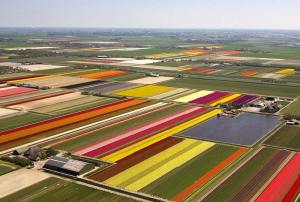 How egalitarian are you?
In the Dutch egalitarian society all people have the same rights and are treated equally under the same circumstances. The CEO of Shell or the Mayor of Amsterdam will be fined if they fail to pay a parking ticket or if they do not clean up after their dog poops on the street. The Dutch believe in equal rights, equal responsibilities and equal treatment – with the law as the authority – no matter who you are.
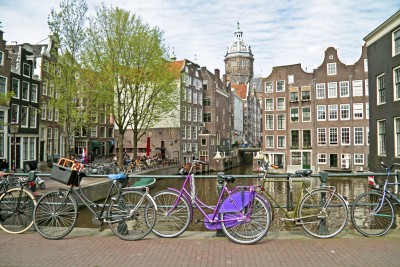
CEOs get their own coffee at work, the prime minister often commutes on his bicycle, and Princess Maxima’s kids go to a regular public school. A position of great responsibility doesn’t come with expectations of special rights or special treatment. This often confuses foreigners visiting Dutch organizations. Without formalities around status it can be hard to distinguish who the boss is. The Dutch communication style is also very informal and very direct. Respect is earned by training trust rather than through formalities, job titles or academic achievements.
Do Freedom and Trust sleep on the same cushion?
In the Netherlands they do. Freedom of speech, euthanasia, and use of soft drugs, are all permitted, but strictly regulated. There are laws, procedures and permits for just about everything. You even need a permit to cut down a tree in your own garden. All these regulations exist to protect both individuals and businesses. On one hand they slow down business processes but on the other hand it inspires trust. Like other Northern European countries, the Dutch trust the ability of their national institutions and the government to function well. Favoritism or bribing is punished severely. It is this trust which makes the social economic climate of the northern countries pleasant and predictable.
Soberness and glitter boost the economy
There is soberness in the Dutch culture, which contrasts greatly with the glamour and glitter of the Monarch’s annual ride in their golden carriage. Extravagance is often seen as wasteful and is met with disapproval. This has proved to be a positive trait during tough economic times when, but it can be very embarrassing if one brings an unexpected guest for dinner – meals are rarely prepared with the intention of having left overs.
This soberness, or rather disapproval of abundance and excesses, is rooted in history in the various forms of Protestantism of the Northern European countries originating in the 16th century. Each individual had to earn his salvation through soberness, honesty and hard work. The Protestants opposed the Catholic papal supremacy and authority and they condemned the grandeur of the Catholic ceremonies, the lavish and sinful lifestyle of its clergy, and the adornment of gold, precious stones and paintings in their churches. The Protestant houses of worship were large and empty, with simple ceremonies and no adornments that might distract from worshiping God. The Dutch followed the severe Calvinist doctrine within Protestantism.
Of course the Dutch have changed and very few still practice any form of religion. However some of the old values are expressed in new ways. The Dutch will prefer a solid car like a Volkswagen over a show piece such as a Lamborghini and many prefer to have more vacation days than a higher salary. Often couples decide that one of the partners will not work for some years after having children to prioritize time for family life over the luxury of two salaries.
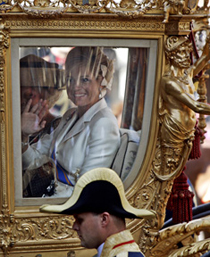 Even the royal family does not excel in extravagance or spending lavishly. Their expenses are always scrutinized by the public. They are thought of as walking advertisements for the country. Their beautiful clothes are often the work of Dutch fashion designers. Willem Alexander promotes Dutch water management and sports around the world. The royal family plays a large role in the local and global economy. Not only are they related to many wealthy European royal families, they are also part of an enormous network of the most important and powerful people of the world – from Barrack Obama to Nelson Mandela and from Ratan Tata to Bill Gates. Many of these people are not just acquaintances but personal friends.
When making state visits, large trade delegations accompany the royals. Dutch businessmen are introduced to local companies but also have the opportunity to talk to the royal family during their trip. It is always good to be “seen with your queen”.
Who wants to be queen?
Ask any woman in the street if she wants to switch positions with Maxima and the answer will be, “Oh heavens no, the poor girl”. It is hard to find anyone who wants to be king, queen or a member of the royal family. Status, glitter, travels, and money are not seen as attractive compensation for the responsibilities required. Members of the royal family are always in the public eye and must exercise great restraint airing their own opinions or simply being themselves. Even though Willem Alexander and Maxima have taken steps away from protocol to be closer to the people, every move, smile, and sentence is scrutinized. What will happen to the lively, enthusiastic and charming Maxima when she becomes queen? The country is waiting to see how she will balance these national contradictions.
About the authors
Eleonore Breukel
– Director of Intercultural Communication bv in Amsterdam
www.intercultural.nl • ebreukel@intercultural.nl
Marcelo Baudino
– Socio Consultor Iceberg Intelligencia Cultural in Buenos Aires www.icebergci.com • mbaudino@icebergci.com
Resources
http://en.wikipedia.org/wiki/Prinsjesdag
http://en.wikipedia.org/wiki/Protestantism
http://en.wikipedia.org/wiki/Calvinism
Brillo real en la sobria e igualitaria cultura holandesa
¿Existe una identidad holandesa? Existe respeto pero sin los títulos y las formalidades. Los multicoloridos holandeses lograron combinar al brillo real con la sobriedad. Ubican a su rey en el medio de una sociedad igualitaria. Juntos garantizan libertad y democracia.
¿Quiénes son esos holandeses?
Máxima, la princesa argentina de los Países Bajos, una vez dijo en un discurso oficial: “no existe una identidad holandesa”. Esta afirmación no fue bien recibida. Lo que quiso decir fue que los Países Bajos son tan multiculturales que es difícil identificar una sola identidad. Es un verdadero desafío incluso detectar una persona holandesa blanca en la multitud de colores cuando se camina en las calles de las grandes ciudades holandesas. Con frecuencia, el inglés es más escuchado que el idioma holandés.
A lo largo de los siglos, personas de todos los continentes han emigrado hacia los Países Bajos en búsqueda de trabajo, estudio, libertad de expresión, tolerancia de razas, religión y orientación sexual, un sistema social sólido y algunos llegaron en búsqueda del cannabis. Un verdadero crisol de personas e idiomas. Las leyes de inmigración son más rigurosas hoy en día, sin embargo, debido al libre mercado laboral de la Unión Europea, la llegada de otros europeos, especialmente del este de Europa, es enorme.
Con el tiempo, todos los inmigrantes se adaptan a la cultura dominante mientras cambian que, al mismo tiempo, cambian a la cultura dominante.
¿Qué tan igualitario eres tú?
En una sociedad igualitaria como la holandesa, todas las personas tienen los mismos derechos y son tratados equitativamente en iguales circunstancias. El CEO de Shell o el alcalde de Ámsterdam serán multados si no pagan el estacionamiento cuando deben o si no limpian la suciedad que deja sus perros en la calle. Iguales derechos, iguales responsabilidades e igual trato, no importa quién eres. La ley es la autoridad.
Un CEO se sirve su propio café en el trabajo. El primer ministro suele ir a trabajar en bicicleta tal como lo hacen muchas otras personas. Los hijos de Máxima asisten a una escuela pública regular. Por más que uno tenga una posición con mucha responsabilidad, no puede esperar obtener derechos especiales o un trato particular.
Esto puedo confundir a los extranjeros que visitan organizaciones holandesas, ya que es difícil distinguir quienes son los superiores cuando no existen formalidades específicas con respecto a las jerarquías. El estilo de comunicación holandés también es muy informal y directo. El respeto no se obtiene a través de formalidades, del trabajo o de títulos académicos, sino a través de ganarse la confianza.
¿La libertad y la confianza duermen en la misma cama?
En los países bajos sí. La libertad de expresión, eutanasia, drogas suaves, etc. son libertadas aunque estén estrictamente reguladas. Existen regulaciones, procedimientos y permisos para prácticamente todo. Necesitas un permiso hasta para cortar un árbol en tu propio jardín. Todas estas regulaciones buscan proteger a los individuos y a las empresas. Por más que hagan más lentos los procesos de negocios, también inspiran confianza.
Como cualquier otro país del norte de Europa, los holandeses confían en el correcto funcionamiento de sus instituciones y el gobierno. El favoritismo y los sobornos son castigados severamente. Es la confianza en la ley lo que define al clima social y económico como amable y predecible.
La sobriedad y el brillo impulsan la economía
Hay sobriedad en la cultura holandesa. Es un gran contraste con el glamur y el brillo de paseo anual en al carruaje de oro del monarca. Las extravagancias suelen ser vistas como un desperdicio. Los holandeses no son frugales pero no aprueban el derroche, un rasgo positivo en la época de las sustentabilidad de recursos. Si alguien llega con un invitado inesperado a una cena, puede causar mucha incomodidad en los anfitriones holandeses. Cuatro porciones son exactamente cuatro porciones y no cinco.
Esta sobriedad o rechazo de la abundancia y los excesos se retrae a las varias formas de Protestantismo de los países de Europa del norte en el siglo 16. Cada individuo debía ganarse su propia salvación a través de la moderación, la honestidad y el trabajo duro. Los protestantes estaban en contra de la autoridad católica suprema del papa y condenaban la grandeza de las ceremonias católicas, la vida de lujo y pecaminosa de su clero, los adornos de oro, piedras preciosas y pinturas en sus iglesias.
Los lugares de culto de los protestantes eran grandes y vacíos, con ceremonias simples y sin adornos o cualquier otra distracción que no sea la de venerar a su dios. Los holandeses siguieron la severa doctrina calvinista dentro del protestantismo.
Por supuesto que los holandeses han cambiado y las religiones se han desvanecido. Aun así, prefieren un auto sólido como un Volkswagen por encima de una pieza de arte como un Lamborghini. Muchos prefieren tener más días de vacaciones que un salario más alto. A veces las parejas deciden que sólo uno de ellos trabajo durante los primeros años luego de tener un hijo. Una buena vida por encima del lujo de dos salarios.
Incluso la familia real no se destaca por la extravagancia y por gastar profusamente. Sus gastos son siempre escrutados por la gente. Sus hermosos vestidos suelen ser de diseñadores de moda holandeses. Guillermo Alejandro es un promotor global de la gestión de agua holandesa y los deportes. La familia real juega un rol clave en la economía local y global. Además de estar relacionados con muchas realezas europeas, tienen una enorme red global de contactos importantes y poderosos. Desde Barack Obama hasta Nelson Mandela y desde Ratan Tata hasta Bill Gates. Muchas de estas relaciones no solo son conocidos, sino también amigos personales. En sus visitas de estado, los acompañan grandes delegaciones comerciales. Los empresarios holandeses son presentados a las compañías locales, pero también tienen la oportunidad de hablar a sus reyes durante el viaje. Siempre es bueno ser visto con tu reina.
¿Quién quiere ser reina?
Pregúntale a cualquier mujer en las calles de los Países Bajos si les gustaría intercambiar posiciones con Máxima y la respuesta será: “Por dios no, la pobre niña”. Es difícil encontrar a alguien que quisiera ser rey, reina o miembro de la familia real. Estatus, lujos, viajes, dinero no siempre compensan las difíciles tareas que tienen. Siempre en el ojo del público. Nunca poder ventilar tus propias opiniones. Nunca ser tú mismo. ¿Qué le pasará a la entusiasta y encantadora Máxima cuando se convierta en reina? Aun cuando los nuevos reyes decidan prestar menos atención al protocolo y estar más cerca de la gente, cada sonrisa, movimiento y oración serán pesados en una balanza de oro.
—
This article is a reprint, with permission, of the original. They’ve written a second article as well, entitled “Influence on Dutch Economy of the New King and Queen of Netherlands.”








 Cultural Detective Blog
