Have Difficult Economic Times Changed Our Values?

usa_purch

“The continued positive outlook—despite the hard times—is a measure of the resilience of American values. The Pew Research Center’s twenty-five-year tracking of American values finds little indication of deflation in the public’s basic confidence in the efficacy of hard work, the nature of personal success, and the nation’s capacity to solve its problems.”

Working with Cultural Detective over the years, I am always interested in the role values play in our lives. So I was eager to read a new working paper for the Council on Foreign Relations released by Pew Research Center pollsters Andrew Kohut and Michael Dimock, entitled Resilient American Values: Optimism in an Era of Growing Inequality and Economic Difficulty.

We in the USA are a nation of optimists. We believe that with hard work we will get ahead. “Unlike Europeans, they [US Americans] believe that they themselves, not larger forces in society, determine whether they will be successful in life.” And, in spite of the recent difficult economic times, US Americans continue to believe that it is through their own initiative they can and will succeed.

Although the economic situation in the US has changed radically in the last 25 years, research finds that this shift has not drastically changed our values. This research indicates that the core Cultural Detective: USA values of Self-reliance (It’s up to you) and Capitalism (Reach for the American Dream) are alive and well throughout all levels of US society.

However, what really caught my interest in the paper was the research that showed US Americans are upset not by rich people being “too rich,” nor by the widening economic gap between the rich and the poor, nor by the large drops in wealth and income among most in the last decade. To the contrary, US Americans are most concerned by the apparent unequal nature of the economic system, and a government ideologically paralyzed and unable to institute meaningful reform.

“During a time of prolonged economic hardship, Americans are clearly upset about a perceived lack of fairness. What the public wants is not a war on the rich, but rather more fairness in public policy, and policies that promote opportunity.”

Sounds to me like the results of this study also suggest that the CD: USA values of Equality (Level the playing field) and Law and Order (Play by the rules) remain an integral part of the society. We want the same opportunity to work hard and get ahead as everyone else—even those with far more money and power than we ourselves have. While there is great diversity in our ranks, perhaps this study has once again shown us what unites us as US Americans.

We invite you to take a look at this study—it is full of interesting information about US values and attitudes. We’d love to hear how you see your cultural values playing out in difficult economic times.

Tango! Kabuki! Bollywood! Jazz! What Do They Have in Common?

TangoKabukiJazzBollywood(English followed by Español, 日本語版 and हिंदी संस्करण, below)

Tango! Kabuki! Bollywood! Jazz! You have to admit they all sound exciting—full of life, excitement, drama and…culture. Each is currently the basis of a hugely lucrative industry, and many of us greatly enjoy at least one of these art forms.

But what do the histories of these four forms of entertainment—from such divergent places on our planet—have in common?

Each has its origins among the poor, underprivileged and marginalized of society. And each was, at some point, much maligned and considered improper and lacking decorum. Several of these now-popular forms of entertainment were banned, some more than once, before they grew in popularity and finally gained respectability.

  • Tango, born in the latter part of the 1800s amidst the docks of Buenos Aires, was originally played and danced by poor immigrants. The middle and upper classes were first exposed to tango in bars and brothels. While we can easily imagine they secretly enjoyed it, tango wasn’t something one openly listened to or danced in “polite company.” Given such humble roots, I was shocked at the price of a “tango show” ticket when in Buenos Aires recently!
  • Kabuki, perhaps the most famous form of traditional Japanese entertainment, began in the 1600s among the common people, and was originally performed outdoors on a riverbed. Kabuki was invented and performed by women, often prostitutes, and later by adolescent boys, many times prostitutes as well. Prior to that point, theater in Japan had been for aristocrats only, and primarily involved the very slow-moving noh. Kabuki has come a long way, baby.
  • Bollywood, the Hindi film industry based in Mumbai, rose to prominence during the 1900s, and is only a part of the huge Indian film industry. It has long been seen as a caricature, as melodramatic and unrealistic—not to be respected like classical Indian dance and theater. Yet, these days, you can travel anywhere in the world and enjoy a Bollywood film. The industry has introduced Indian culture to the world, while it speaks to universals such as love and loss.
  • Jazz began in the southern USA from African American roots. Its beginnings can be traced to traditional African music turned into work songs and “field hollers.” The music evolved amidst the injustice of slavery, spirituality that provided the hope of redemption, and courage to face adversity on the quest for freedom. What was to become jazz moved from the fields to the brothels and bars, and eventually was “discovered” and is now respected, admired and played worldwide.

Why are these seemingly very different topics on my mind? If you read this blog regularly, you know that I recently had the pleasure of visiting Argentina, and there I learned about the history of the tango—the first thread. I know about the history of kabuki from the years I lived in Japan, and the similarity of histories intrigued me. Pondering the history of jazz, I noted three similar threads. Then, just yesterday, Lord Meghnad Desai’s article about Bollywood crossed my desk, and it occurred to me that perhaps these threads weren’t just coincidence; I’d better pay attention!

In my academic discipline, intercultural communication, some refer to the concepts of “big C” and “little c” culture (Bennett, 1998). Culture with a capital “C” usually means the objective aspects of a culture, that which is visible and overt. This includes the art, music, dance, etc.—the artifacts of culture, if you will. It also includes what it is that people say and do, the observable ways culture is expressed through its members’ behavior in daily life. This idea correlates with the “Words and Actions” section of a Cultural Detective Worksheet.

In contrast, “little c” culture refers to shared customs, norms, communication styles, values,  assumptions, etc. This subjective part of culture is generally hidden, expressing itself in the verbal and nonverbal behavior of its members. Subjective culture is what lies beneath the behaviors, that is, why people do what they do, and correlates with the “Values, Beliefs and Cultural Common Sense” portion of a Cultural Detective Worksheet.

In some way, I reflected, each of these four art forms derived from an expression of “little c” culture that morphed into “big C” Culture, usually over some decades. Could this be the way of the world?

I first moved to Mexico in the 1970s as a foreign student, and was thrilled to live in Coyoacán, home to both Frida Kahlo and “La Malinche”! I was saddened to learn, however, that both these facts seemed disturbing or embarrassing to my host family; to me it appeared that there was little pride in national traditions or “things Mexican.” People with money purchased European designer brands and housewares; handmade and “artesenal” were looked down upon as signs you couldn’t afford “better.”

How happy I am to be living in Mexico again, and to find that now traditional arts and crafts, and local heritage and traditions, are much more celebrated. This perceived change would seem to echo the question I’d begun asking myself about if and how “culture” evolves into “Culture.”

What, if any, are the characteristics shared by these initially despised but now-celebrated art forms? Each involves overacting, melodrama, emotion, and exaggeration. Usually their themes revolve around the pain of injustice, and, frequently, love spurned, often due to class differences.

While researching these four forms of entertainment for this blog post, I realized the best part: each is a product of the creativity that comes about when cultures begin mixing and changing! Perhaps those often viewed as marginal and on the outskirts of a culture can have a powerful influence on the evolution of the culture. And, just maybe, this intermingling of different peoples in similar difficult circumstances can spark enormous creativity.

As The Jillbrary tells us, Bollywood is an intentional hybrid. It does “not speak to just one religious group, language, geographical area, or caste (as unrealistic as that may be)… The music incorporates styles from various traditions—North Indian and Carnatic classical, light classical, religious, and folk music, Hollywood, Latin, Chinese, and reggae. In Bollywood films, Muslims marry Hindus, Hindus marry Christians, and people from different societal classes can succeed and collaborate.”

Likewise, jazz is a hybrid, born out of African Americans living a marginalized experience, straddling two or more cultures, and dealing with powerlessness. What creativity and power that combination brought forth!

Tango and kabuki both rose to prominence alongside (or inside) brothels, and involved bending and blending of gender identities—in tango men teach men the dance steps, and in modern kabuki male actors play all the roles regardless of gender. Needless to say, these innovations emerged from the margins or edges of the culture; they were not initially activities of “mainstream” society (and thus, were not regarded as “art”)!

I find this tapestry intriguing. There are so many art forms, “Culture,” that originated with those living on the “fringes” of society. Often poor, underprivileged, and lacking resources, it may take time for mainstream culture to recognize such artistic contributions. When I grew up in the US Southwest, “Indian jewelry,” pottery, and weavings were not generally perceived to be worth much more than the materials involved in their creation; they were certainly not popularly considered the prized possessions many are today.

How does this view of “culture” morphing into “Culture” fit with your experience? Let’s continue the conversation! Please share with us some of your favorites, with links, if you would. Many thanks!

TangoKabukiJazzBollywood¡Tango! ¡Kabuki! ¡Bollywood! ¡Jazz! ¿Qué tienen en común?
Traducido por Maryori Vivas

¡Tango! ¡Kabuki! ¡Bollywood! ¡Jazz! Usted tiene que admitir que todos suenan emocionantes  — llenos de vida, emoción, drama y… cultura. Cada uno es actualmente la base de una gran y lucrativa industria, y muchos de nosotros gratamente disfrutamos al menos una de estas formas de arte.

¿Pero que tienen las historias de estas cuatro formas de entretenimiento — desde lugares tan divergentes de nuestro planeta — en común?

Cada una se origina entre los pobres, desfavorecidos y marginados de una sociedad. Y cada una fue, en cierto punto, muy difamada y considerada impropia y con falta de decoro. Muchas de estas ahora populares formas de entretenimiento fueron prohibidas, algunas más de una vez, antes de que ganaran popularidad y finalmente se ganaran el respeto.

  • Tango, nacido a finales de 1800 en medio de los muelles de Buenos Aires, fue originalmente interpretada y bailada por inmigrantes pobres. La clase media y alta fueron expuestas al tango inicialmente en bares y burdeles. Mientras podemos imaginar fácilmente que ellos lo disfrutaran en secreto, el tango no era algo que alguien bailara o escuchara abiertamente “en compañía cortés.” Considerando estas raíces humildes, quedé en shock al conocer el precio de una entrada a un “tango show” cuando estuve en Buenos Aires recientemente.
  • Kabuki, quizás la forma más famosa de entretenimiento tradicional japonés, comenzó a finales de 1600 entre la gente común y era originalmente interpretada en las afueras en el lecho de un río. El kabuki fue inventado e interpretado por mujeres, frecuentemente prostitutas, y más tarde por chicos adolescentes, muchas veces en la prostitución también. Antes de esto, el teatro en Japón había sido únicamente para los aristócratas y principalmente involucraba el muy lento movimiento noh.
  • Bollywood, la industria fílmica Hindú con sede en Mumbai alcanzó posiciones de prominencia durante los años de 1900, y es solo una parte de la enorme industria fílmica India. Durante mucho tiempo se ha visto como una caricatura, melodramática y no realista — no para respetarse como la danza clásica india y el teatro. A pesar de todo, usted puede viajar a cualquier lugar en el mundo y disfrutar un film de Bollywood. La industria ha presentado la cultura india al mundo, mientras envía mensajes universales como el amor y el duelo.
  • Jazz comenzó en el sur de Estados Unidos con raíces afroamericanas. Sus comienzos se remontan a la música tradicional Africana transformada en canciones de trabajo y “gritos en el campo”. La música evolucionó en medio de la injusticia de la esclavitud, la espiritualidad que brindaba la esperanza de la redención, y el coraje para enfrentar la adversidad en la travesía hacia la libertad. Lo que se convertiría en Jazz se trasladó de los campos a los burdeles y bares, y eventualmente fue “descubierto” y ahora es respetado, admirado e interpretado alrededor del mundo.

¿Por qué estos temas, aparentemente muy diferentes, en mi mente? Si usted lee este blog regularmente, usted sabe que recientemente tuve el placer de visitar Argentina y allí aprendí de la historia del tango — el primer sorbo. Conozco de la historia del kabuki de los años que viví en Japón, y la similitud de historias me intrigó. Ponderando la historia del jazz, me dí cuenta de tres historias similares. Luego, sólo ayer el artículo de Lord Meghnad Desai sobre Bollywood llegó a mi escritorio y pensé que quizás esas historias no eran simple coincidencia, ¡debería mejor prestar atención!

En mi disciplina académica, comunicación intercultural, algunos se refieren a los conceptos de la cultura de “C mayúscula” o de “c minúscula”. Cultura con “C” mayúscula usualmente se refiere a los aspectos objetivos de una cultura que son visibles y evidentes. Esto incluye el arte, música, danza etc. – los artifacts  si prefiere. También incluye lo que la gente dice y hace, las maneras observables de la cultura expresadas a través del comportamiento de sus miembros en su vida diaria. Esta idea se relaciona con la sección “Palabras y Acciones” de la hoja de trabajo de Cultural Detective.

En contraste, la cultura con “c minúscula” se refiere a las costumbres, normas, estilos de comunicación, valores, supuestos, etc que son compartidos. Esta parte subjetiva de la cultura está generalmente escondida, expresándose a sí misma en el comportamiento verbal y no verbal de sus miembros. La cultura subjetiva es la que se esconde tras los comportamientos, esto quiere decir por qué la gente hace lo que hace, y se relaciona con la sección “Valores, Creencias y Sentido común cultural” de Cultural Detective.

De alguna manera, reflexioné, cada una de estas cuatro formas de arte se derivan de una expresión de la “c minúscula” que se transforma en “C mayúscula”, usualmente luego de varias décadas. ¿Podría ser esta la manera de ser del mundo?

Me mudé por primera vez a México en los años 70 como estudiante extranjera, y estaba emocionada de vivir en Coyoacán, la tierra de Frida Kahlo y “La Malinche”. Yo estaba muy triste de saber, sin embargo, que estos dos hechos parecían molestar o avergonzar a mi familia anfitriona; a mí me parecía que había poco del orgullo por las tradiciones nacionales o “cosas mexicanas”. La gente adinerada compraba marcas de diseñadores europeos y artículos para el hogar; las artesanías y lo hecho a mano se veía con menosprecio por ser una muestra que usted no podía comprar algo “mejor”.

Qué feliz me siento de estar viviendo en México nuevamente, y de encontrar ahora artes tradicionales y artesanías, y herencias locales y tradiciones, ahora son mucho más celebradas. Este cambio perceptible parecería hacer eco de la pregunta que me había hecho acerca de cómo la “cultura” evoluciona en “Cultura”.

¿Cuáles, si algunas, son las características compartidas por estas formas de arte inicialmente despreciadas y ahora valoradas? Cada una involucra sobreactuación, melodrama, emoción y exageración. Usualmente sus temas se desenvuelven alrededor del dolor de la injusticia, y, frecuentemente el amor desdeñado, usualmente debido a la diferencia de clases.

Mientras investigaba estas cuatro formas de entretenimiento para esta nota del blog, me di cuenta de la mejor parte: ¡cada una es producto de la creatividad que llega cuando las culturas comienzan mezclándose y cambiando! Quizás aquellas que son percibidas como marginales y en la periferia de una cultura pueden tener una poderosa influencia en la evolución de la cultura. Y, tal vez esta interrelación de diferentes personas en similares circunstancias difíciles puede detonar una gran creatividad.

Como nos dice The Jillbrary, Bollywood es un híbrido intencional. “No haba únicamente a un grupo religioso, idioma, área geográfica, o casta (tan irrealista como esto puede ser)… La música incorpora estilos de varias tradiciones — del norte de India y Carnática clásica, clásica ligera, religiosa, y música folclórica, Hollywood, Latina, China, y reggae. En los films de Bollywood, musulmanes se casan con hindúes, hindúes se casan con cristianos, y la gente de diferentes clases sociales puede triunfar y colaborar.

Del mismo modo, el jazz es un híbrido nacido de afroamericanos viviendo una experiencia marginadora, horcajadas de dos o más culturas, y lidiando con la impotencia. ¡Qué creatividad y poder originaron de esa combinación!

El tango y el kabuki los dos llegaron a ocupar un lugar de prominencia junto a (o dentro de) burdeles, e involucraban la participación y mezcla de identidades de género — en el tango los hombres enseñan a los hombres pasos de baile, y en el kabuki moderno los actores (puros hombres) pueden representar cualquier papel sin importar el género. No hace falta decir, estas inovaciones emergieron en el margen o bordes de la cultura; no eran actividades de la corriente principal de la sociedad.

Encuentro todo esto fascinante. Hay muchas formas de arte, “Cultura” que se originaron con aquellos viviendo en al “borde” de la sociedad. Frecuentemente pobres, desfavorecidos y con falta de recursos; puede tomar tiempo para la cultura principal reconocer sus contribuciones artísticas. Cuando crecí en el suroeste de los Estados Unidos la “joyería india’’, cerámica y tejidos no eran generalmente percibidos con un costo mucho mayor que aquel de los materiales usados en su creación; ciertamente no eran popularmente considerados las preciadas posesiones que muchos de ellos son hoy.

¿Cómo esta visión de “cultura” transformándose en “Cultura” se ajusta a su experiencia?  Sigamos con esta conversación. Comparta con nosotros alguna de sus experiencias favoritas con enlaces, si le es posible. Muchas gracias.

TangoKabukiJazzBollywoodタンゴ ! 歌舞伎 ! ボリウッド ! ジャズ ! すべてにつながっていることは?
翻訳:幸田隆

タンゴ ! 歌舞伎 ! ボリウッド ! ジャズ ! これらのすべては人をワクワクさせます。活気、興奮、ドラマ、そして、文化。それぞれのアートは今や、私たちに大きな富をもたらしてくれるものです。これらの中で、少なくとも1つは大いに楽しんでいる人も多いのではないでしょうか。

地球上の様々な場所で広がった、これら 4 つのエンターテイメントの歴史に、共通していることとしては、どのようなことがあるでしょうか。

それぞれのエンターテイメントの原点は、貧しい、恵まれない、疎外された社会にあります。これらすべてのエンターテイメントには、社会で、多くの非難を浴び、不適切で、品性に欠けていると考えられていた時期があります。今や日常的な娯楽となった、これらのエンターテイメントは、社会で、人気を博し、よいものとして認められるまでに、少なくとも一度は禁止されたことがあります。

  • タンゴ: 1800 年代の後半、ブエノスアイレスで生まれ、貧しい移民が演じ、踊ったもの。タンゴは当初、バーや売春宿で、中流、上流階級によって楽しまれたものでした。タンゴを聞いたり、踊ったりすることはマナーのある人が公然とすることではありませんでした。秘かに楽しまれていたタンゴの様子は想像できると思います。このようなひかえめなタンゴの歴史を考えると、最近ブエノスアイレスへ行ったときに見た、「タンゴショー」チケットのあまりにも高い値段にショックを受けました!
  • 歌舞伎: おそらく、日本の伝統芸能で最も有名なもの。1600年代に大衆の間で広がり、もともと、野外の河川敷で行われました。そもそも歌舞伎を始め、演じたのは女性で、その多くは売春婦であったと言われています。しばらくすると、男性によっても演じられましたが、その多くは水商売にかかわる男性でした。歌舞伎以前の演劇は、貴族だけが楽しめるもので、ゆっくりとした動きの能が主なものでした。歌舞伎はこんなにも長い道のりを歩んできたのです。
  •  ボリウッド: 1900 年代に広がり、ムンバイに拠点を置く、インドの映画業界のこと。ボリウッドは、巨大なインドの映画産業の一部です。ボリウッドの映画は、風刺、メロドラマ、非現実的なものとして長い間考えられていて、インドの古典舞踊や演劇のように尊敬を集めるものではありませんでした。でも、今や世界中のどこへ旅をしても、ボリウッドの映画を楽しむことができます。ボリウッドは愛や悲しみという普遍的な価値を伝えながらも、世界中にインド文化も紹介しています。
  • ジャズ: アメリカ合衆国南部、アフリカ系アメリカ人により始められたもの。そのルーツは、仕事をしながら歌う歌、「畑の叫び」に関係した伝統的なアフリカの音楽につながっています。ジャズは、奴隷制度は不当であるという思いから広がりました。自由を勝ち取るために逆境に立ち向かう勇気、いつかは救われるという希望を魂で訴える力から広がりました。ジャズとして確立される前のものは売春宿やバーで表現されていました。それがやがて注目され、今や、よさが認められ、たたえられ、世界中で奏でられるようになりました。

どうして、一見してあまりつながらないようなこれらのエンターテイメントが、私の頭に同時に浮かんだのでしょうか? 定期的にこのブログを読んでいただいている方は、私が最近、アルゼンチンを訪ね、タンゴの歴史(最初の投稿)にふれたことをご存知でしょう。歌舞伎の歴史は、私が日本に数年間住んでいたときに学び、とても興味をもったものです。ジャズの歴史に関しては、ブログで3つの投稿をしています。そして、昨日、メグナッド・デサイ卿のボリウッドに関する記事を、自分の書斎で偶然読みました。これらのことは偶然ではない。深く考えた方がいい。このように思った次第です。

私の専門である、異文化間コミュニケーションの領域では、“大きなC”の文化と“小さな c”の文化という考え方があります。大文字のCで始まるCulture、つまり“大きなC”の文化は、文化のはっきりと、目に見える客観的な側面になります。芸術、音楽、ダンスなど、人間が生み出した工芸品が“大きなC”の文化になります。“大きなC”の文化は日常生活で表現される人々の言葉や行動でもあります。この説明は、異文化間コミュニケーション教材「Cultural Detective Worksheet(異文化の探偵ワークシート)」の「言葉と行動」の章に書かれています。

それに対して、“小さな c”の文化は、習慣、行動規範、コミュニケーション・スタイル、価値観、当たり前と思っている常識などを意味しています。“小さな c”の文化は、文化の主観的な側面で、通常、言葉や非言語の表現の中に潜んでいます。主観的な文化は、行動の背後にあること、つまり、どうして、人はそれをするのかという理由と関係しています。このことは、教材「Cultural Detective Worksheet」の「価値観、信念、文化的な常識」の章に書かれています。

ある意味で、これら4種類のアートであるエンターテイメントは、それぞれ、長い間、“大きなC”の文化に形を変えてきた“小さな c”の文化の表現なのかもしれません。世の中には、このようなことが、よくあることなのでしょうか?

1970 年代、私は留学生として、初めてメキシコに行ったことがあります。私は、メキシコシティのコヨアカンで暮らしました。ここは画家のフリーダ ・ カーロと「ラ マリンチェ」の故郷で、毎日ワクワクした気持ちで過ごしていました。でも、私のホストファミリーにとって、これらの話題は何となくはずかしくて、避けられているものだということを学びました。当時の私には、メキシコ人が「メキシコらしいもの」や自分の国の伝統に、あまり誇りというものをもっていないようにも思われました。メキシコのお金持ちはヨーロッパのデザイナー ブランドや食器類を好んで買い求め、手作りの伝統工芸品は、お金に余裕のない人が買うものとして、避けられているような気がしました。

私は幸運にも今また、メキシコに住んでいます。そして、今は、メキシコの伝統工芸品や地元の遺産や伝統が、人々によって大切にされるように変わったことが感じられます。メキシコで、自国の文化に対する見方がこのように変わったという、この体験が、自分の中で、エンターテイメントの話とつながりました。“小さな c”の文化は、どのように、“大きなC”の文化へと形を変えていくのでしょうか?

初めは人々に軽べつされていても、今になると芸術的なものとして評価を受けているもの。そういうものには、どのような特徴があるのでしょうか? それには、大げさな演技、メロドラマ、感情、誇張表現が関係しています。格差社会によって生み出されることが多い、不公正な現実へのつらい気持ち、拒絶された愛がテーマとなっています。

このブログの投稿のために、これら 4 種類のエンターテイメントについて調べていて気づいたことがあります。それぞれのエンターテイメントは、いくつかの文化が混ざり、変化し始めたときに生まれる創造性の表れであるということ。文化の発展に大きな影響力をもっているのは、そのときの主流の文化からはずれていて、社会の境界線上に住んでいると考えられる人々なのかもしれません。同じ困難な境遇におかれた、様々な人たちがかかわり合うことで、創造性の大きな花が開花していくのではないかと思いました。

ジルブラリィの記事によれば、ボリウッドは、意図的なハイブリッド文化です。ボリウッドは、1つの宗教、1つの言語、1つの地域、1つのカースト (非現実的ではありますね) という枠を超えたものです。ボリウッドの音楽は、北インドの音楽、南インドのカルナティック音楽、ライトクラシック音楽、宗教音楽、フォーク、ハリウッド、ラテン、中国、レゲエなど様々な伝統やジャンルを統合したものです。ボリウッドの映画では、イスラム教徒がヒンズー教徒と結婚したり、ヒンズー教徒がキリスト教徒と結婚したり、様々な社会階層の人が成功したり、力を合わせて働いたりもします。

同様に、ジャズもハイブリッド文化です。社会の本流からはずれる体験、2つ以上の文化にまたがる体験、無力感を味わった体験をしてきたアフリカ系アメリカ人から生まれました。こうした体験が混ざり合って、創造性とパワーが生み出されたのです。

タンゴと歌舞伎は両方とも、売春宿に関係したところ(あるいは、その中)で発展していき、男女の性別が変わったり、混じったりしながら演じられてきました。タンゴでは、男性が男性にダンスのステップを教えていたし、現代の歌舞伎では、すべての役を男性が演じることになっています。これらの革新的なスタイルは、境界線上にある文化に表れたものです。当初は、社会の主流ではありませんでした。

私は、このようなタペストリー (つづれ織り)に心を惹かれます。社会の片隅に暮らしている人々によって創り出されるアート、つまり“大きなC”の文化は、世の中に実にたくさんあります。貧しくて、差別を受け、恵まれない人たちの芸術的な貢献に、そのときの主流の文化の人たちが気づいていくには時間がかかるのかもしれません。アメリカ南西部で育った私は当時、アメリカインディアンの宝物、焼き物、織物が素材以上の価値あるものとしては社会に認められてはいないと感じました。でも、今は、たくさんの人が、それを好んで求め、価値あるものとして認めるようになりました。

いかがでしょうか? “小さな c”の文化が“大きなC”の文化へと形を変えていくという、この考えは、みなさんの経験に当てはまるでしょうか? 話を続けていきましょう。このブログを、みなさんのお気に入りに登録していただいたり、リンクを張っていただければうれしいです。ありがとうございます。

TangoKabukiJazzBollywoodटैंगो! काबुकी! बॉलीवुड! जैज्ज़  ! क्या इनमें कोई समानता है?
मृदुला दास द्वारा अनुवादित

मानना पडेगा कि ये चारों नाम सुनने में काफ़ी मज़ेदार और रोमांचक लगते हैं I  ज़िन्दगी से भरपूर, रोमांचक संकृति के प्रतीक, ये  कला के रूप अपने आप में भिन्न भिन्न  देश और भाषा के लोगों द्वारा तैयार किये गए हैंl  प्रत्येक  रूप अपने  आप में  वर्तमान  में एक बेहद आकर्षक उद्योग का आधार है, और हम में से कई इनमें से कम से कम एक  कला रूप  का आनंद तो लेते ही हैं ।

पर क्या ये चारों  मनोरंजन के अवतार- जो कि  इस धरती के भिन्न भिन्न देशों के उपज हैं- के जन्म और  इतिहास  में कोई समानता है?

प्रत्येक मनोरंजन – टैंगो, काबुकी, बॉलीवुडया जैज्ज़ – का जन्म किसी गरीब,अल्पाधिकारप्राप्त, और  मार्जिनलाइज़ड देश में हुआ हैl प्रत्येक  रूप को किसी न किसी समय में निन्दित और अनुचित एवं असंगत माना गया हैl आज के ये चर्चित मनोरंजन के रूप कभी न कभी, इनके लोकप्रियता में वृद्धि से पहले, समाज और समाज के ठेकेदारों द्वारा  एक बार नहीं, बल्कि अनेकों बार  प्रतिबंधित और वर्जित किये गए हैंl ये और बात है की इन रूपों को अंततः  प्रतिष्ठा  और लोकप्रियता प्राप्त हुई  हैl

  • टैंगो की पैदाइश   ब्यूनस आयर्स (Buenos Aires) के नाव घाट के बीच १८००  के उत्तरार्द्ध में हुई हैl  टैंगो, मूल रूप से  गरीब आप्रवासियों द्वारा नृत्य किया गया और खेला जाता था.मध्यम और उच्च वर्गों के रसिक  टैंगो से  पहल पहल मदिरालय और वेश्यालयों में  परिचित हुएl  हम आसानी से कल्पना कर सकते हैं कि  ये वर्ग के लोग इस मनोरंजन का चुपके से मज़ा तो ले रहे थे लेकिन उसे सभ्य समाज में अभी तक कोई मान्यता प्राप्त नहीं थी और लोग उसे खुलकर सबके सामने नाचने और मज़ा लेने की जुर्रत नहीं करते थेl इस अत्यंत ही गरीब  कला का हाल ही में जब ब्यूनस आयर्स में एक ” टैंगो शो” के  टिकट खरीदने गयी तो टिकेट की कीमत  देख कर  मैं  अचंभित हो गयीl
  • काबुकी, शायद सबसे प्रसिद्ध  परंपरागत जापानी मनोरंजन का रूप हैl यह  आम लोगों के बीच १६०० सदी  में शुरू हुआ था , और मूल रूप से सड़क पर या नदी के  सूखे  ताल पर प्रदर्शन किया  गया था। काबुकी का आविष्कार और प्रदर्शन मूल रूप से महिलाओं और कभी कभार वेश्याओं द्वारा की जाती थीl  आगे चलके इसका प्रदर्शन सिर्फ किशोर बालक और वेश्याएं ही करने लगेl  इसके पहले  जापान में रंगमंच  केवल  संभ्रांत श्रेणी के लिए था और इस पर अत्यंत ही धीमे गति वाला नोह का प्रदर्शन होता थाl  काबुकी अपने आदि रूप से काफी आगे पहुँच चूका है और आज हम सब को रोमांचित करने में कोई कसार नहीं छोड़ी हैl
  • बॉलीवुड ने, जो की  मुंबई स्थित  हिन्दी फिल्म उद्योग का हिस्सा है , १९००  के दौरान प्रमुखता प्राप्त  की l  इसे  लंबे समय तक एक कार्टून, नाटकीय और अवास्तविक  कला के रूप में देखा गया और इसको शास्त्रीय भारतीय नृत्य और थियेटर की तरह सम्मान नहीं  दिया गया l फिर भी, इन दिनों, आप दुनिया के  किसी भी कोने में बॉलीवुड फिल्म का आनंद लें कर सकते हैंl  इस उद्योग  ने दुनिया को  भारतीय संस्कृति से परिचित  कराया है जबकि इसमें अन्तर्हित सार्वभौमिक प्रेम और वियोग कथा सभी दर्शकों के लिए सामान हैl
  • जैज्ज़ अमेरिकी अफ्रीकी जड़ों से दक्षिणी संयुक्त राज्य अमेरिका ( साउथ अमेरिका) में शुरू हुआ। इसकी शुरुआत पारंपरिक अफ्रीकी संगीत को कर्म क्षेत्र गीतों,यानी काम के साथ साथ गाये गए गीतों) के रूप में  हुई l यह संगीत गुलामी से मुक्ति  और आजादी की  खोज करने वाले बंधुआ मजदूर को विपरीत परिस्थितियों का सामना करने के लिए  साहस  और आध्यात्मिक शक्ति प्रदान करता रहा l धीरे धीरे जैज्ज़  खेतों से निकल कर मदिरालय और वेश्याघरों में पाया जाने लगा l अंततः इसकी प्रतिष्ठा  स्थापित हो गयी और अब जैज्ज़ को सम्मान और प्रशंसा के साथ दुनिया भर  में बजाया  और गाया जाता है l

अब प्रश्न यह है कि  इन अत्यंत अलग दिखने वाले विषयों को क्यों मैं एक कड़ी में बाँधने की कोशिश कर रही हूँ?

अगर आप मेरा ब्लॉग नियमित्ग रूप से पढ़ते हैं तो आपको पता होगा की हाल ही में मैं अर्जेंटीना गयी  थी  और वहां मुझे जैज्ज़ के इतिहास का ज्ञान हुआ— इस प्रसंग की पहली कड़ीl  जापान में रहते हुए काबुकी के इतिहास के बारे में मैं पहले ही जानती थी l इन दोनों कलाओं के  इतिहास की समानता मुझे काफी कुतूहल कर रहा हैl अब जैज्ज़ के इतिहास के बारे में सोचते हुए मुझे तीन सामान कड़ियाँ मिल रही हैंl कल ही मैं लार्ड मेघनाद देसाई ( Lord Meghnad Desai) की  लेख पढ़ रही थी जिसमें बॉलीवुड के इतिहास का ज़िक्र हैl  अब मुझे इन सभी कड़ियों को जुड़ने और इनके समानता का आभास हो गया हैl

मेरे अकादमिक डिसिप्लिन, “इण्टर्कल्चुरल कम्युनिकेशन”  (Intercultural Communication)में बिग C ( Big C) और स्माल c (Small c) कल्चर ( संस्कृति) का ज़िक्र उठता हैl  बिग C  कल्चर का मतलब है  किसी भी संस्कृति का वस्तुनिष्ठ  पहलू  जो की  दिखाई देता है और लोगों  को उपरी सतह पर नज़र आता है, जैसे की  नृत्य, संगीत इत्यादि– जो की कला के प्रतिकृतियाँ हैंl  इस केटेगरी में लागों के बोलचाल और व्यवहार भी सम्मिलित है जो प्रत्यक्ष रूप में किसी भी दर्शक के लिए उपलब्ध है यह विचार  कल्चरल डिटेक्टिव कार्यपत्रक ( Cultural Detective Worksheet) के “शब्दों और कार्यों”  (“Words and Actions” ) अनुभाग के साथ सम्बंधित है l

इसके विपरीत, “छोटी सी” संस्कृति  लोगों के रीती, रिवाज़, बोलचाल के ढंग,  मूल्यों, मान्यताओं, आदि को दर्शाता है l संस्कृति का  इस व्यक्तिपरक भाग  आम तौर पर अपने ही सदस्यों की बोलचाल और हाव भाव में अव्यक्त रूप से  छिपा हुआ  रहता है l व्यक्तिपरक संकृति ( सब्जेक्टिव कल्चर ) लोगों के व्यवहार के पीछे छिपे अर्थ को उजागर करता है l  यह ये बताता है की लोग जो करते हैं या कहते हैं उसके पीछे क्या कारन हो सकता है और वो ऐसा क्यों करते हैं l  कल्चरल डिटेक्टिव  कार्यपत्रक (Cultural Detective Worksheet )के  “मूल्यों, विश्वासों और सांस्कृतिक सामान्य ज्ञान”  (“Beliefs, Values, and Cultural Common Sense” ) अनुभाग  में इस बात का ज़िक्र है l

काफी चिंतन के बाद मुझे ऐसा लगता है कि ये चारों कला के रूप का अविर्भाव  कहीं न कहीं स्माल सी कल्चर के बिग सी कल्चर में  सम्मिलित और परिवर्तित होना दर्शाता है l किसी भी संस्कृति का उभर के आना कोई एक या दो दिन का काम नहीं, इसके लिए सदियाँ लग जाते हैं. शायद यही दुनिया कि रीत है l

मैं पहली बार मेक्सिको में  एक विदेशी छात्र के रूप में 1970 के दशक में  गयी , और कोयुआक्न (Coyoacán ) में ठहरी, जो कि  फ्राइडा  काहलो (Frida Kahlo) और “ला  मालिंचे” (La Malinche) का जन्म स्थान था l मैं तो बहुत खुश थी , लेकिन मुझे ये बात सता रही थी कि मेरे मेजबान, जिनके घर मैं ठहरी थी, इस बात से काफी शर्म महसूस करते थेl  मुझे ऐसा लगा कि अपने राष्ट्रीय परंपरा और हस्त कला पर  यह लोग कुछ ज्यादा गर्व महसूस नहीं करते हैं l पैसे वाले लोग यूरोपीय डिसाइनर ब्रांड्स और घर का सामान खरीदते हैं  स्थानीय हस्तकला या मेक्सकन चीज़ों को इस्तेमाल करने से कतराते हैं क्योंकि यह गरीबी का सूचक है l

अभी मैं फिर से मेक्सिको में रहती हूँ और यह देख कर खुश हूँ कि आजकल यहाँ स्थानीय  हस्त कला  और और पारंपारिक वस्तुओं को बहुत मान्यता दे रहें हैं l यह जो सोच में बदलाव आया है,यह मुझे मेरे मूल प्रश्न को दुबारा दोहराने पे मजबूर करता है कि अगर  स्माल सी  कल्चर बिग सी कल्चर में बदलता है तो कैसे बदलता है ?

ये चारों कला  के रूप आपस में कई समानताओं के कारन जुड़े हुए हैं l चारों के चारों शुरू में निन्दित और तिरस्कृत थे, लेकिन अभी अपने अपने संस्कृति के अभिन्न रूप बन गए हैं l चारों  में ओवरएक्टिंग, भावनाओं कि अतिशयोक्ति और मेलोड्रामा शामिल है l आम तौर पर उनके विषयों में  दर्द, अन्याय, ठुकराइ हुई प्रेमकथा, वर्ग भेद के कारण  किया हुआ अन्याय का प्रदर्शन है l

इस ब्लॉग पोस्ट ( Blog post) के लिए मनोरंजन के इन चार रूपों पर शोध करते हुए, मुझे यह एहसास हुआ कि हर एक रूप अपने आप में भिन्न भिन्न  संस्कृतियों  के मिश्रण और वृद्धि के समय उमड़े हुए रचनात्मक उबाल का परिणाम है l शायद  लोग जो  मार्जिनलाइज्ड, और  समाज के उपांत में है उनका संस्कृति के विकास पर एक शक्तिशाली प्रभाव है. और शायद इसी तरह कठिन परिस्थितियों में  रहने वाले अलग अलग लोगों के मिलने जुले और एक दुसरे के संस्पर्श में आने  से एक भारी रचनात्मकता चिंगारी  उत्पन्न हो सकता है ।

जैसे कि ” द जिल्ल्बैरी” (The Jillbrary) में कहा गया है, बॉलीवुड एक सुविचारित  मिश्रण है– यह किसी जाती या धर्म विशेष, भाषा या भौगोलिक क्षेत्र को  संबोधित नहीं करता है l  बॉलीवुड संगीत  विभिन्न परंपराओं का सम्मिश्रण है- इसमें  हिंदुस्तानी और शास्त्रीय संगीत, धार्मिक और लोक गीत, हॉलीवुड, चीनी, रेगे इत्यादि सभी का इस्तेमाल होता है l बॉलीवुड सिनेमा  में हिन्दू, मुस्लिम, ईसाई सभी एक दुसरे से शादी कर सकते हैं और समाज के उच्च और निम्न वर्ग मिल जुल कर एक दुसरे के सहायता से सफल हो सकते हैं l

ठीक इसी तरह जैज्ज़  भी एक सम्मिश्रण है. अफ्रीकी अमेरिकियों के मार्जिनलाइज्ड होने का अनुभव से  उत्पन्न यह कला उनके दो संस्कृतियों के बीच बंधे रहने कि बेबसी से निपटने कि अनुभूति कि पैदाइश है l  इस रचनात्मक  शक्ति  का प्रदर्शन अतुलनीय और  अत्यंत ही प्रभावशाली है l

टैंगो  और काबुकी दोनों कि प्रसिद्धी  वेश्यालयों के प्रसिद्धी के साथ (और वेश्यालयों के अन्दर) ही बढ़े l दोनों कला रूपों में पुरुष ही नृत्य प्रदर्शन करते हैं और एक दुसरे को सिखाते भी हैं, भले ही पात्र नारी या पुरुष का हो l आधुनिक काबुकी में पुरुष अभिनेता ही  पुरुष एवं नारी दोनों भूमिकाएँ निभाते हैं l  ज़ाहिर है कि इनका आविर्भाव समाज के  मुख्यधारा के बाहर हुआ है;  वे शुरू में “मुख्यधारा” समाज की गतिविधियों नहीं थे!

मुझे यह चित्रपट लुभावना लगता है। यहाँ  कई कला रूपों, “संस्कृति” ( Culture)( बिग सी) का उत्पन्न समाज के “किनारे” पर रहने वाले लोगों के साथ हुआ है l  अक्सर गरीब, वंचितों और कम संसाधनो द्वारा  सृजन किये गए इन कलात्मक योगदान को पहचान देने में मुख्य धारा संस्कृति काफी समय लगाता है l US Southwest में, जहाँ मैं पली बढ़ी, इंडियन ( Native American) गहने, मिटटी के कलात्मक वस्तुएं, बुनावट, आदि का मुल्यांकन अपने सृजन में शामिल सामग्री से अधिक  नहीं किया जाता था; आज के जैसे उन वस्तुओं को  निश्चित रूप से लोकप्रिय, बेशकीमती संपत्ति नहीं माना जाता था l

आपके  हिसाब से यह स्माल सी और बिग सी का सम्मिश्रण क्या आपके अनुभव के  साथ ताल मेल खाता है? इसे पढ़ने के बाद, अगर आपको सही लगे तो, कृपया आपके अनुभव हमारे साथ बांटिये. अगर आपने इसे  किसी किताब या नेट आर्टिकल से लिया है, तो उसका रेफेरेंस और  लिंक भी भेजना मत भूलियेगा. धन्यवाद!
Global Statistics on Women’s Rights

I’m guessing you’ve heard of “One Billion Rising,” a global action project to end violence against girls and women. They hold a mirror up to us that shows a reflection oh-so-difficult to own: that one out of three women on our planet will be raped or beaten in our lifetime, for example. Where I live, in Mexico, women disappear in alarming numbers every day.

Today I saw this new video, which I feel speaks very well to the issue. While I don’t necessarily agree with the video’s conclusion that women are THE answer, all of our talents together, indeed, are the answer.

Please help this video gain some traction, if you would. Cross-cultural sensitivity is important because it helps us achieve respect for all, a voice for all, equity and sustainability. Cross-cultural sensitivity can not be used as an excuse to abuse fundamental human rights. We hope that Cultural Detective Women and Men, available in our online subscription system as well as via printable PDF, will help us learn to understand and value our differences.

Share With Us Your 6 Second Videos on Crossing Cultures!

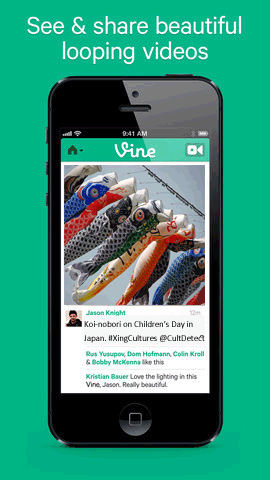
VineCDI used to really dislike Twitter — one more social media, and such short messages! We don’t need more information overload in our world, bothering us everywhere we go!

Then I reframed Twitter in my mind. I realized that those tweets (140 characters maximum) are like haiku! Their brevity encourages us to capture the core essence, the deep meaning, in a new and creative way! In that sense, Tweets are perfect for Cultural Detectives or anyone who bridges cultures, whether within the family, neighborhood, or internationally. Now I quite enjoy the medium.

Recently I learned that you can now stream video via Twitter in much the same way as you share photos via Instagram.

You download a free app called Vine, then use your iPhone, iPod or iPad to record and Tweet 6-second videos. You can also easily post the photos to Facebook. Want to see some samples? Looping videos, short and sweet: multimedia haiku.

So I thought this could be an enjoyable and useful activity for Cultural Detectives: sharing short videos with each other about crossing cultures, from wherever we happen to be based or traveling. Here is the proposal:

I have a fun and exciting challenge for you! Please, capture a short video of your experience crossing cultures: what does bridging cultures effectively, what does cross-cultural competence mean to you?

Then, Tweet it to us at @CulturalDetect using hashtag #XingCultures

And/or, post your video to our Facebook page

I’m sure this could be a whole lot of fun, and provide interesting material that many of you could use. We have followers all over the world, and if you participate and pass this on to your friends and followers, the reach will be even wider.

Looking forward to your insight and creativity!!!!

A Living Example of the Funk Model of Personal Development

Rita and Kevin Booker

Rita and Kevin Booker

You know that PRACTICE of intercultural competence, ongoing, sustained practice, has been a theme of this blog. I have likened intercultural competence to physical fitness, to maintaining a workout practice, to symphonic and jazz music, and also to spiritual practice. The theme is ongoing, structured use and honing of skill.

After receiving some news last week, I have realized that perhaps it was Kevin Booker who first implanted several of these analogies in my mind. Until that point I hadn’t connected the two, but with his passing from this life, I revisited his blog posts, and rediscovered this one, which so moved me when he first published it back in 2009. At the time I had just met Kevin—he had participated in a Cultural Detective Facilitator Certification in Granada, Spain. While I repost it here in its entirety, it’s worth clicking through to see the funkalicious colors and design of his original post.

A Bridge Between The Funk Model of Personal Development and Cultural Detective

—By Kevin Booker

I swam everyday this week.

I decided to change my physical training routine this summer by working more often underwater instead of lifting weights, the latter of which I have done on average three times a week for the past decade.

Not that lifting in the gym is stale by any means: I stopped counting reps years ago and learned instead to focus on the tempo and energy of the music in my portable music player.

Since most of my workouts are between 90 minutes and 3-and-a-half hours long, I’ve learned to challenge all my muscle groups by utilizing particular songs to motivate and encourage my movement and breathing, like a dancer uses music to improvise and discover new movement.

For example, I’ve used Janet Jackson’s “If”, not only because of the superlative Jam/Lewis production values, but because the tempo of the song is perfect for ab crunches on a decline bench at various angles. When I mix in Hamilton Bohannon’s “Disco Symphony“, Cameo’s “Word Up”, EWF’s “Can’t Let Go”, or Lyn Collin’s “Think”, I can easily repeat 3 sets of 15, at 3 to 4 different angles, for a continuous minimum of 30 to 45 minutes.

The result of doing this for a few years is that my lower back muscles are significantly stronger than they used to be and I now possess abs of steel.

Same with the shoulder press: I use Parliament Funkadelic’s “Flashlight” for strength training, along with The Gap Band’s “Burn Rubber” or a combination of Roger Troutman’s “Do Wah Ditty” and “So Ruff So Tuff” to hit all the right spots with stanknasty funk, say 3 to 4 sets of 15 reps using 25 to 35 kilo (55 to 77 lb.) weights. Not a lot of weight, but enough strength training in my shoulder and neck muscles to do headstands without using my hands at the end of my yoga stretching routines. No brag, just fact.

What I’ve observed is that most urban dwellers my age lack youthfulness and energy simply because they don’t workout enough to the funk.

Working out to the funk means physical movement expressed through multiple body rhythms, engaging in disciplined rehearsal of physical balance, strength, quickness, improvisation, circular movement and synchronization. When entrainment is achieved by diligent practice, funk becomes it’s own reward.

As Robert Farris Thompson has explained, the word funk is of ki-congo origin and literally means “to work out to achieve one’s aims”. This metaphor signifies an entire value system which Africans brought with them to the new world and represents the idea of achieving any goal by the use of extreme effort.

Thus understood, funk music culture is an excellent opportunity to understand a cultural value system in which highly trained cultural specialists leverage diverse ideas (obscure styles of music, varied costume designs, diverse eras in dance and movement, recombined stories and myths), distill patterns and compare archetypes while leveraging conceptual values, such as key signatures, tempos, mixtures of music theory and dynamic expression.

In sum, to understand, appreciate and utilize funk music organizational principles, one must cultivate a high tolerance for ambiguity, the skill to use diverse concepts and exercise a life-long commitment to uncovering cultural complexity. I am convinced that the people at Cultural Detective understand this.

The Cultural Detective Method provides a language to explain the mental programming with which we perceive, learn about and understand fundamental intercultural communication principles. It provides an innovative, enjoyable, culture-specific, cultural values and real-life situation based training approach which can enable and empower anyone to better understand and work with colleagues who have cultural histories which differ from their own.

It effectively distills and teaches the three necessary intercultural abilities required for global collaboration and cooperation:

  1. The ability to know and explain ourselves as individuals; this is known as subjective culture.
  2. The ability to better understand the intentions of other people; this is known as cultural literacy.
  3. The tools to work mindfully and consciously to leverage cultural difference, regardless of personal cultural history; this is known as cultural bridge building.

This innovative and painstakingly researched training method has been developed by the pioneering work of Dianne Hofner Saphiere and the thought leadership experience of at least 90 credible intercultural researchers, educators and specialists from all over the globe. This method has been tested, tried and proven to improve the intercultural communication abilities of co-workers from more than 96 cultures world-wide. Major corporations such as ABB, BNP Paribas Bank, Cable and Wireless, Handelsbanken, Mitubishi, Rohm and Hass, Royal Dutch/Shell Oil, Samsung and Texas Instruments have successfully used The Cultural Detective Method in Africa, The Americas, Asia, Europe and the Pacific. It is continues to be used as a highly effective method for intercultural team building, expatriate training and collaboration projects in business schools and institutions of higher learning around the world.

What I love about the Cultural Detective training method is that it uses universal teaching approaches, such as storytelling, which are quickly and easily understood by everyone on the planet.

Anybody, anywhere in the world can understand and appreciate a good story. Along with music and pictures, storytelling is the most ancient way we have to transmit and receive culture. Through stories, we pass on our values, beliefs, histories and traditions from generation to generation. This process is what general semantics specialists call time binding.

Cultural Detective uses storytelling and small group discussion to help us understand ourselves and others within the context of the unique and multiple core cultural values which motivate our behaviors, our beliefs and perceptions of our place in the world. This process enables us to see ourselves and others as unique individuals influenced by culture instead of one-dimensional stereotypes. Moreover, by promoting the development of common-sense strategies to improve intercultural collaboration, Cultural Detective helps us to understand cultural values as positive intention and discover new ways to resolve conflict in everyday life.

I personally believe that using the Cultural Detective training method is an excellent way for people to overcome their fear of the other, combat status anxiety and eradicate racism.

But please don’t take my word for it; try it for yourself.

In the meantime, I’m going swimming. For me, swimming provides an effective, low impact cardiovascular work out and I have come to use it as a training metaphor for overcoming fear.

Perhaps I should explain.

As a small child, I had a deathly fear of water. I do not know where this fear came from; perhaps it was because I lived near the ocean which to my young, inexperienced eyes was a vast, violent, unpredictable and unknowable place.

To my good fortune, my mother recognized this and helped me to overcome my fear of water by taking me to swimming classes 5 days-per-week, months at a time, every summer, 4 years in a row. Long story short, after enough training, I eventually entered a local marathon competition and at 13 years old, took first place over 40 competitors.

Of course nowadays, many years later, I no longer swim in marathon competitions, but when I do swim, I am still mindful of how much effort it actually takes to train and condition the body to use different strokes efficiently, how difficult it is to strengthen leg muscle groups for effective kicks and the amount of extra personal effort and determination it takes to build endurance.

As an intercultural education facilitator, I have come to believe that participants in human resource training programs need to understand this principle as well: it does not matter how one is led to water or how nice the pool is: if one does not make the extra effort to learn, one cannot learn to swim.

For this one lesson, I am grateful to my mother.

She was a master teacher who lived and worked as an advocate for cultural literacy for all people.

She was a lyrical soprano, accomplished pianist and an extraordinarily graceful dancer.

In her lifetime, she was able to develop a higher tolerance for ambiguity.

Every time I swim in a foreign swimming pool, be it in Aktau or Sao Paulo, Paris or London, Bucharest or Berlin or anywhere my unquenchable curiosity takes me, I think of her and am mindful of her commitment to life long learning as a method to extinguish ignorance and fear.

This is why I’m not too cool to swim.

Matter of factI can dance underwater and not get wet 🙂

***

Discover more about Cultural Detective®
http://www.culturaldetective.com/welcome.html

Thus concludes Kevin’s post.

Rest in peace, my dear friend and colleague. Thank you for so generously sharing your incredible talent, bottomless joy, support for others, and your never-ending source of creativity and energy. You were a living example of the fruits of discipline and practice: gifted in so many disciplines, other-centered yet always fully you, spontaneous and ready for anything. Our heart goes out to your partner and our teammate, CD Romania co-author Rita Booker-Solymosi, and all Kevin’s family.

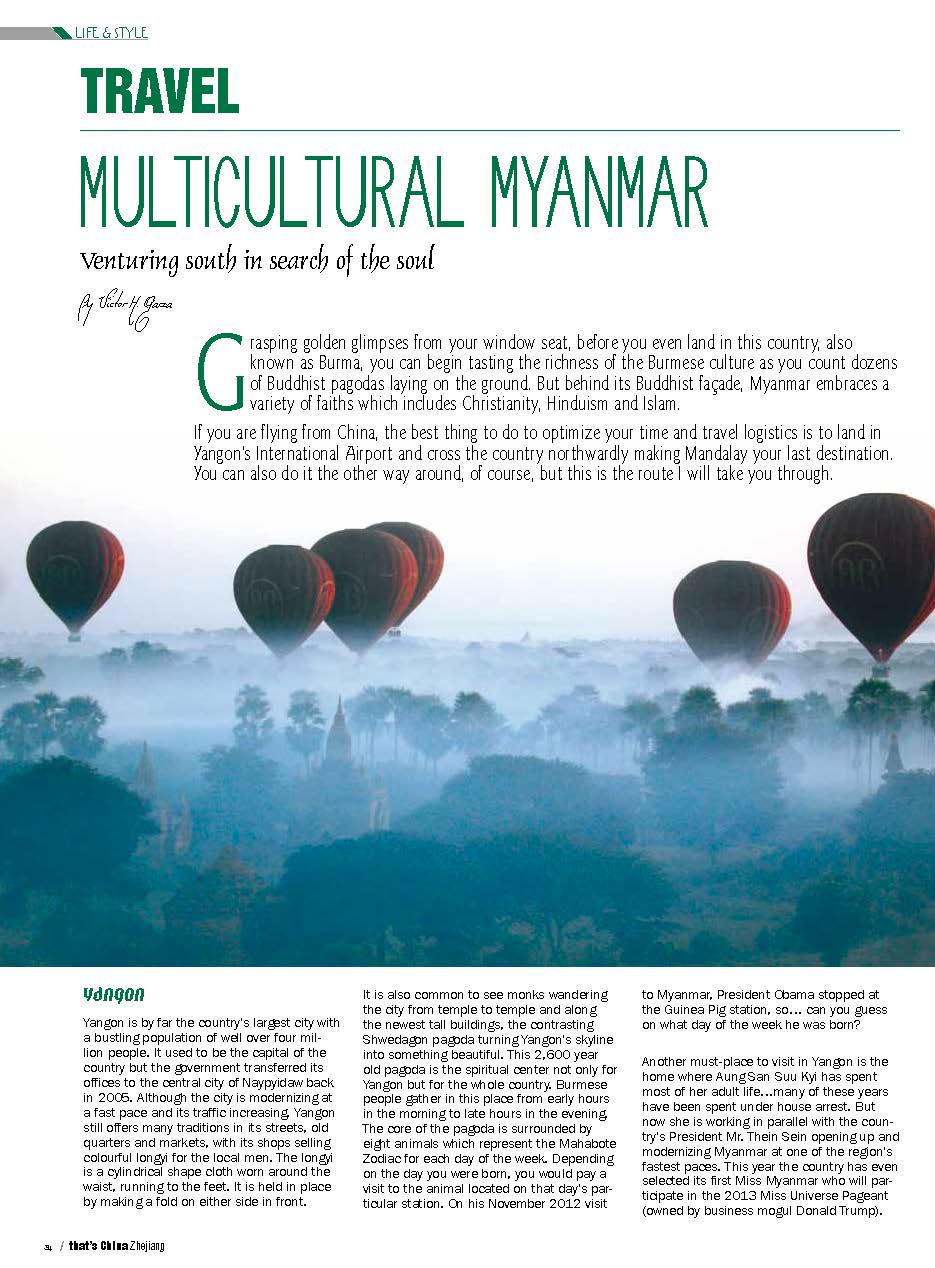
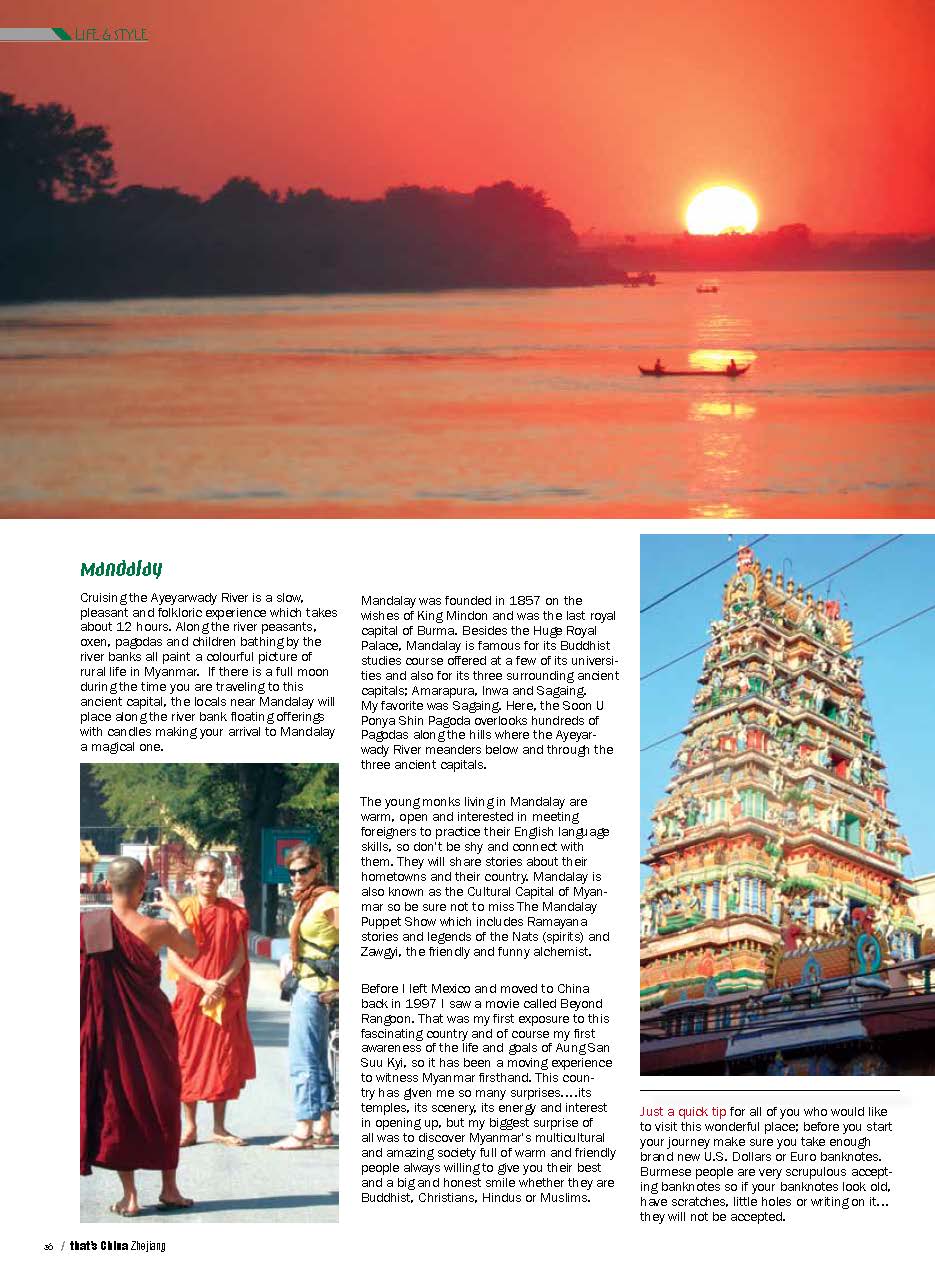
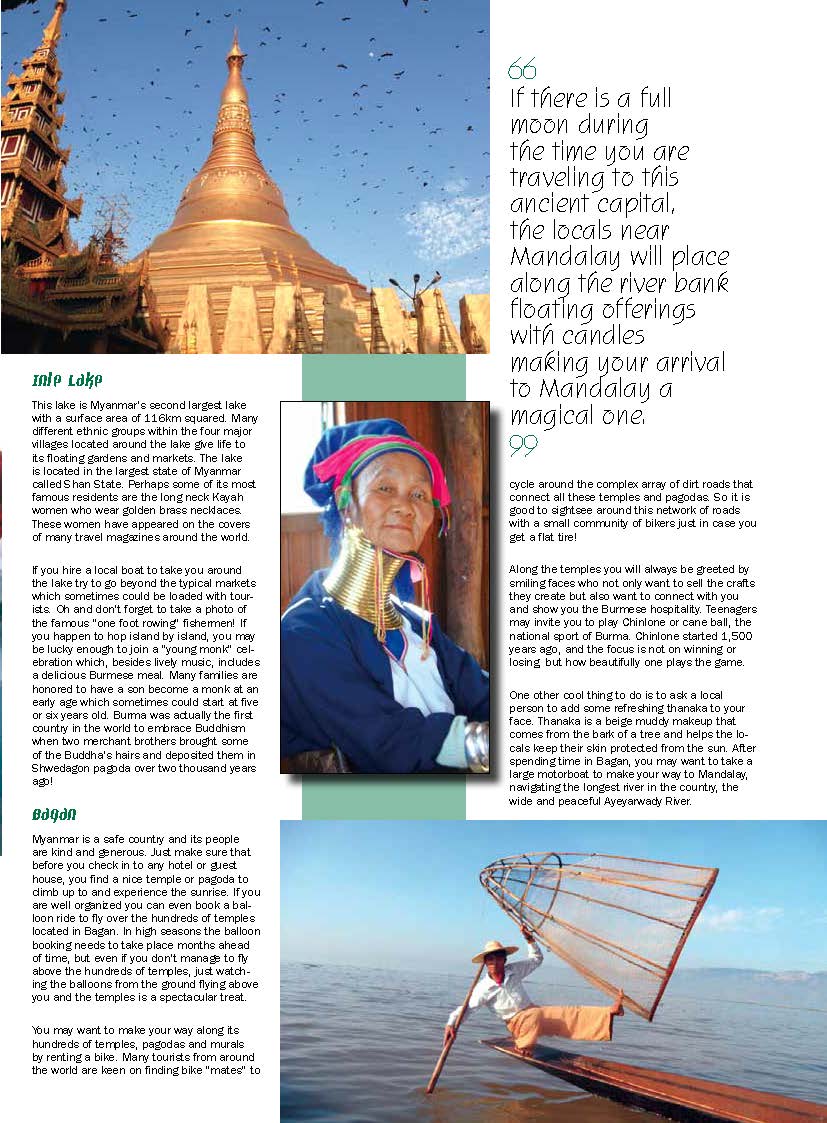
Myanmar, A Guest Blog by Victor Garza

Guest post by Cultural Detective China co-author Victor Garza

Many of you know Victor as an excellent photographer and world adventure traveler. He has just published another travel piece, this one on Myanmar. Despite the heartbreaking news about Buddhist violence in that country, I know many of us would love to travel there. You can click on the images below to enlarge them.

Where have you traveled to lately? Please, share with us your adventures!2013.5 36 2013.5 38 2013.5 37

Royal Glitter in the Sober Dutch Egalitarian Culture

(Versión en español sigue el inglés)

In preparation for the exciting inauguration of the new Dutch king and his Argentinian-born queen tomorrow, I am pleased to be able to share with you an article that Cultural Detective The Netherlands co-author Eleonore Breukel has co-written with Marcelo Baudino. It is indeed curious that the Netherlands has a Monarch, and always amazing how current events can so well illustrate the values in a Values Lens. Read on to learn how.

Is there a Dutch identity? Is there respect without titles and formalities? The multicolored Dutch manage to combine royal glitter and soberness. They place their King in the middle of the egalitarian society. Together they guarantee freedom and democracy.

Who are the Dutch?
The Argentinean born Princess Maxima of the Netherlands once said in an official speech “There is no Dutch identity”. That statement was not well received by the Dutch public. What she meant was that the Netherlands is so multicultural that it is hard to label it with one single identity. In large cities in the Netherlands, English is heard more often than Dutch and a range of skin tones can dominate in crowded streets.

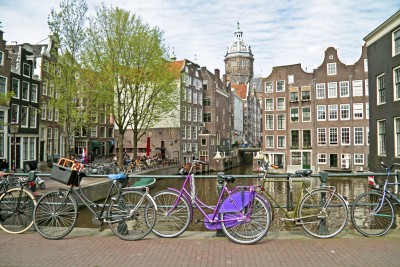
fietsenAMS-sOver the centuries people from all continents have come to the Netherlands in search of jobs, education, freedom of speech, a strong social system, and tolerance of race, religion and sexual orientation. Some came for the cannabis. It is a melting pot of people and languages. Immigration laws have become stringent. However, due to the open labor market of the European Union there is a large influx of European migrants, many come from Eastern Europe. Over time most immigrants adapt to the mainstream culture while changing that mainstream culture at the same time.

tulipspa0605_800x5391How egalitarian are you?
In the Dutch egalitarian society all people have the same rights and are treated equally under the same circumstances. The CEO of Shell or the Mayor of Amsterdam will be fined if they fail to pay a parking ticket or if they do not clean up after their dog poops on the street. The Dutch believe in equal rights, equal responsibilities and equal treatment – with the law as the authority – no matter who you are.

CEOs get their own coffee at work, the prime minister often commutes on his bicycle, and Princess Maxima’s kids go to a regular public school. A position of great responsibility doesn’t come with expectations of special rights or special treatment. This often confuses foreigners visiting Dutch organizations. Without formalities around status it can be hard to distinguish who the boss is. The Dutch communication style is also very informal and very direct. Respect is earned by training trust rather than through formalities, job titles or academic achievements.

Do Freedom and Trust sleep on the same cushion?
In the Netherlands they do. Freedom of speech, euthanasia, and use of soft drugs, are all permitted, but strictly regulated. There are laws, procedures and permits for just about everything. You even need a permit to cut down a tree in your own garden. All these regulations exist to protect both individuals and businesses. On one hand they slow down business processes but on the other hand it inspires trust. Like other Northern European countries, the Dutch trust the ability of their national institutions and the government to function well. Favoritism or bribing is punished severely. It is this trust which makes the social economic climate of the northern countries pleasant and predictable.

Soberness and glitter boost the economy
There is soberness in the Dutch culture, which contrasts greatly with the glamour and glitter of the Monarch’s annual ride in their golden carriage. Extravagance is often seen as wasteful and is met with disapproval. This has proved to be a positive trait during tough economic times when, but it can be very embarrassing if one brings an unexpected guest for dinner – meals are rarely prepared with the intention of having left overs.

This soberness, or rather disapproval of abundance and excesses, is rooted in history in the various forms of Protestantism of the Northern European countries originating in the 16th century. Each individual had to earn his salvation through soberness, honesty and hard work. The Protestants opposed the Catholic papal supremacy and authority and they condemned the grandeur of the Catholic ceremonies, the lavish and sinful lifestyle of its clergy, and the adornment of gold, precious stones and paintings in their churches. The Protestant houses of worship were large and empty, with simple ceremonies and no adornments that might distract from worshiping God. The Dutch followed the severe Calvinist doctrine within Protestantism.

Of course the Dutch have changed and very few still practice any form of religion. However some of the old values are expressed in new ways. The Dutch will prefer a solid car like a Volkswagen over a show piece such as a Lamborghini and many prefer to have more vacation days than a higher salary. Often couples decide that one of the partners will not work for some years after having children to prioritize time for family life over the luxury of two salaries.

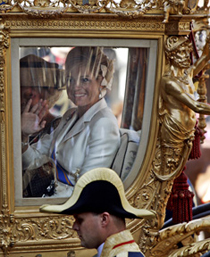
DEN HAAG-PRINSJESDAG-BINNENHOFEven the royal family does not excel in extravagance or spending lavishly. Their expenses are always scrutinized by the public. They are thought of as walking advertisements for the country. Their beautiful clothes are often the work of Dutch fashion designers. Willem Alexander promotes Dutch water management and sports around the world. The royal family plays a large role in the local and global economy. Not only are they related to many wealthy European royal families, they are also part of an enormous network of the most important and powerful people of the world – from Barrack Obama to Nelson Mandela and from Ratan Tata to Bill Gates. Many of these people are not just acquaintances but personal friends.

When making state visits, large trade delegations accompany the royals. Dutch businessmen are introduced to local companies but also have the opportunity to talk to the royal family during their trip. It is always good to be “seen with your queen”.

Who wants to be queen?
Ask any woman in the street if she wants to switch positions with Maxima and the answer will be, “Oh heavens no, the poor girl”. It is hard to find anyone who wants to be king, queen or a member of the royal family. Status, glitter, travels, and money are not seen as attractive compensation for the responsibilities required. Members of the royal family are always in the public eye and must exercise great restraint airing their own opinions or simply being themselves. Even though Willem Alexander and Maxima have taken steps away from protocol to be closer to the people, every move, smile, and sentence is scrutinized. What will happen to the lively, enthusiastic and charming Maxima when she becomes queen? The country is waiting to see how she will balance these national contradictions.

About the authors
Eleonore Breukel
– Director of Intercultural Communication bv in Amsterdam
www.intercultural.nl  • ebreukel@intercultural.nl

Marcelo Baudino
– Socio Consultor Iceberg Intelligencia Cultural in Buenos Aires                              www.icebergci.com  • mbaudino@icebergci.com

Resources

http://en.wikipedia.org/wiki/Prinsjesdag
http://en.wikipedia.org/wiki/Protestantism
http://en.wikipedia.org/wiki/Calvinism

Brillo real en la sobria e igualitaria cultura holandesa
¿Existe una identidad holandesa? Existe respeto pero sin los títulos y las formalidades. Los multicoloridos holandeses lograron combinar al brillo real con la sobriedad. Ubican a su rey en el medio de una sociedad igualitaria. Juntos garantizan libertad y democracia.

¿Quiénes son esos holandeses?
Máxima, la princesa argentina de los Países Bajos, una vez dijo en un discurso oficial: “no existe una identidad holandesa”. Esta afirmación no fue bien recibida. Lo que quiso decir fue que los Países Bajos son tan multiculturales que es difícil identificar una sola identidad. Es un verdadero desafío incluso detectar una persona holandesa blanca en la multitud de colores cuando se camina en las calles de las grandes ciudades holandesas. Con frecuencia, el inglés es  más escuchado que el idioma holandés.

A lo largo de los siglos, personas de todos los continentes han emigrado hacia los Países Bajos en búsqueda de trabajo, estudio, libertad de expresión, tolerancia de razas, religión y orientación sexual, un sistema social sólido y algunos llegaron en búsqueda del cannabis. Un verdadero crisol de personas e idiomas. Las leyes de inmigración son más rigurosas hoy en día, sin embargo, debido al libre mercado laboral de la Unión Europea, la llegada de otros europeos, especialmente del este de Europa, es enorme.

Con el tiempo, todos los inmigrantes se adaptan a la cultura dominante mientras cambian que, al mismo tiempo, cambian a la cultura dominante.

¿Qué tan igualitario eres tú?
En una sociedad igualitaria como la holandesa, todas las personas tienen los mismos derechos y son tratados equitativamente en iguales circunstancias. El CEO de Shell o el alcalde de Ámsterdam serán multados si no pagan el estacionamiento cuando deben o si no limpian la suciedad que deja sus perros en la calle. Iguales derechos, iguales responsabilidades e igual trato, no importa quién eres. La ley es la autoridad.

Un CEO se sirve su propio café en el trabajo. El primer ministro suele ir a trabajar en bicicleta tal como lo hacen muchas otras personas. Los hijos de Máxima asisten a una escuela pública regular. Por más que uno tenga una posición con  mucha responsabilidad, no puede esperar obtener derechos especiales o un trato particular.

Esto puedo confundir a los extranjeros que visitan organizaciones holandesas, ya que es difícil distinguir quienes son los superiores cuando no existen formalidades específicas con respecto a las jerarquías. El estilo de comunicación holandés también es muy informal y directo. El respeto no se obtiene a través de formalidades, del trabajo o de títulos académicos, sino a través de ganarse la confianza.

¿La libertad y la confianza duermen en la misma cama?
En los países bajos sí. La libertad de expresión, eutanasia, drogas suaves, etc. son libertadas aunque estén estrictamente reguladas. Existen regulaciones, procedimientos y permisos para prácticamente todo. Necesitas un permiso hasta para cortar un árbol en tu propio jardín. Todas estas regulaciones buscan proteger a los individuos y a las empresas. Por más que hagan más lentos los procesos de negocios, también inspiran confianza.

Como cualquier otro país del norte de Europa, los holandeses confían en el correcto funcionamiento de sus instituciones y el gobierno. El favoritismo y los sobornos son castigados severamente. Es la confianza en la ley lo que define al clima social y económico como amable y predecible.

La sobriedad y el brillo impulsan la economía
Hay sobriedad en la cultura holandesa. Es un gran contraste con el glamur y el brillo de paseo anual en al carruaje de oro del monarca. Las extravagancias suelen ser vistas como un desperdicio. Los holandeses no son frugales pero no aprueban el derroche, un rasgo positivo en la época de las sustentabilidad de recursos. Si alguien llega con un invitado inesperado a una cena, puede causar mucha incomodidad en los anfitriones holandeses. Cuatro porciones son exactamente cuatro porciones y no cinco.

Esta sobriedad o rechazo de la abundancia y los excesos se retrae a las varias formas de Protestantismo de los países de Europa del norte en el siglo 16. Cada individuo debía ganarse su propia salvación a través de la moderación, la honestidad y el trabajo duro. Los protestantes estaban en contra de la autoridad católica suprema del papa y condenaban la grandeza de las ceremonias católicas, la vida de lujo y pecaminosa de su clero, los adornos de oro, piedras preciosas y pinturas en sus iglesias.

Los lugares de culto de los protestantes eran grandes y vacíos, con ceremonias simples y sin adornos o cualquier otra distracción que no sea la de venerar a su dios. Los holandeses siguieron la severa doctrina calvinista dentro del protestantismo.

Por supuesto que los holandeses han cambiado y las religiones se han desvanecido. Aun así, prefieren un auto sólido como un Volkswagen por encima de una pieza de arte como un Lamborghini. Muchos prefieren tener más días de vacaciones que un salario más alto. A veces las parejas deciden que sólo uno de ellos trabajo durante los primeros años luego de tener un hijo. Una buena vida por encima del lujo de dos salarios.

Incluso la familia real no se destaca por la extravagancia y por gastar profusamente. Sus gastos son siempre escrutados por la gente. Sus hermosos vestidos suelen ser de diseñadores de moda holandeses. Guillermo Alejandro es un promotor global de la gestión de agua holandesa y los deportes. La familia real juega un rol clave en la economía local y global. Además de estar relacionados con muchas realezas europeas, tienen una enorme red global de contactos importantes y poderosos. Desde Barack Obama hasta Nelson Mandela y desde Ratan Tata hasta Bill Gates. Muchas de estas relaciones no solo son conocidos, sino también amigos personales. En sus visitas de estado, los acompañan grandes delegaciones comerciales. Los empresarios holandeses son presentados a las compañías locales, pero también tienen la oportunidad de hablar a sus reyes durante el viaje. Siempre es bueno ser visto con tu reina.

¿Quién quiere ser reina?
Pregúntale a cualquier mujer en las calles de los Países Bajos si les gustaría intercambiar posiciones con Máxima y la respuesta será: “Por dios no, la pobre niña”. Es difícil encontrar a alguien que quisiera ser rey, reina o miembro de la familia real. Estatus, lujos, viajes, dinero no siempre compensan las difíciles tareas que tienen. Siempre en el ojo del público. Nunca poder ventilar tus propias opiniones. Nunca ser tú mismo. ¿Qué le pasará a la entusiasta y encantadora Máxima cuando se convierta en reina? Aun cuando los nuevos reyes decidan prestar menos atención al protocolo y estar más cerca de la gente, cada sonrisa, movimiento y oración serán pesados en una balanza de oro.

This article is a reprint, with permission, of the original. They’ve written a second article as well, entitled “Influence on Dutch Economy of the New King and Queen of Netherlands.”

Al ritmo de cadera

Latinoamérica es sin duda sinónimo de ritmos y movimientos. Las cadencias que se mezclan en esta tierra son reconocidas en el mundo entero. Los ritmos tropicales como la cumbia, el merengue, la salsa y la bachata están presentes en cada discoteca que se pueda imaginar. O, cantantes de moda como el colombiano Juanes y su canción La Camisa Negra,  la cual internacionalizó la música de carrilera de nuestra región andina y la vine a escuchar en su versión original en un sitio nocturno en las afueras de Atenas hace unos años. Yo veía estas rubias tan hermosas tararear “tengo la camisa negra” y decía Dios mío ¿sabrán lo que están bailando?

Y la música da para todo, aún para seguirme sorprendiendo. Acostumbro a ver las actualizaciones de estado de mis contactos en BlackBerry messenger, uno de esos estados decía: Interesados en clase de Zumba, favor contactarme.

Hasta ahí no hay nada especial, lo sé, pero mi contacto es de Mumbai y está a muchos kilómetros de distancia del origen de Zumba. Era justamente Happy Holi para ellos, fiesta de color, así que saludé a Krishna y le dije cuán soprendida estaba con su invitación a Zumba. Ella no sabía que este nuevo ritmo que se ha tomado casi todos gimnasios del mundo – y no exagero – había nacido en Colombia, por cierto que me dijo: Querida si estuvieras en India ¡podríamos ir juntas!. ¿Cuándo imaginaría su creador estar también en los gimasios de la India?

Yo no he tomado mi primera clase de Zumba y supe de esto por una entrevista radial. Me encantó escuchar la historia de su creador, quien en busca de oportunidades se metió de profesor de aeróbicos, los cuales fueron furor en los años 90 por esa moda del buen estado físico que nos llegó de Estados Unidos. Este joven profesor un día cualquiera en su natal Cali, Valle del Cauca (Colombia) no encontró su cassette para una clase y tuvo que ese día recurrir a lo suyo para remplazar el rock y demás que eran el “must” y, con salsa y ritmos latinos hizo sudar a más de una sin darse cuenta que ahí comenzaba el giro de 360 grados en su vida.

No soy muy nacionalista, o por lo menos eso creo, pero cuando Krishna citaba a todos sus amigos a tomar clases me dije, le tengo que contar que eso es de aquí.

Acabo de visitar la web http://www.zumba.com/ y me gozo mirando que hay nueve opciones idiomáticas, que hacen diferencia entre portugués de Brasil o Portugal, y lo propio con el español de México.

Sí, la música es universal y nuestro sabor tropical parece que también lo es, sin embargo este profesor de aeróbicos logró junto con sus socios crear una firma global. Hoy está radicado en Estados Unidos y tienen desde DVDs hasta ropa y programas de certificación. Una buena idea, un buen socio y una excelente aproximación intercultural hace que Zumba sea para todo el que esté dispuesto a disfrutar.

¡A mover las caderas todos y hasta pronto!

To the Rhythm of the Hips
By Maryori Vivas, translated by Dianne Hofner Saphiere

Latin America is without doubt synonymous with rhythms and moves. The mix of cadences in this land are known throughout the world. The tropical rhythms such as cumbia, merengue, salsa and bachata are found in every dance club imaginable. Popular singers such as the Colombian Juanes and his song La Camisa Negra internationalized the carrilera music of our Andean region; I even heard the original version in a nightclub on the outskirts of Athens some years ago. I saw those beautiful blondes humming “I have a black shirt” and I said to myself, “My God, do they know what they are dancing to?”

The music gives to all, even as it keeps surprising me. I regularly check the status updates of my contacts in BlackBerry Messenger, and recently one of them said: “Interested in a Zumba class? Please contact me.”

Up to that point there is nothing special, I know, but my contact is in Mumbai, quite a few kilometers’ distance from the origin of Zumba. It was just Happy Holi for them, the festival of colors, so I gave Krishna my regards and told her how surprised I was with her invitation to Zumba. She didn’t know that this new rhythm that had taken over almost every gymnasium in the world — without exaggeration — had been born in Colombia. She told me, “My dear, if you were in India we could go together!” I’ll bet that Zumba’s creator never imagined that it would be in gymnasiums in India!

I have not taken my first Zumba class, and I learned about it via a radio interview. I was fascinated to hear the history of its creator who, looking for personal development opportunities became an aerobics teacher, which was the fitness rage in the 90s that arrived from the United States. This young teacher, one normal day in his birthplace of Cali, Valle del Cauca (Colombia), couldn’t find the cassette with the required rock music for his class that day. So he had to rely on his own salsa and Latin rhythms that made everyone sweat, and which turned his life around 360 degrees without his even realizing it.

I am not very nationalistic, or at least I don’t think I am, but when Krishna told all his friends to take classes I told myself, “I must tell him that it’s from here.”

I just visited the webpage http://www.zumba.com and enjoyed seeing that there are nine language choices, that they differentiate between the Portuguese of Brasil and Portugal, and Castillian with the Spanish of Mexico.

Yes, music is universal and it would seem that our tropical tastes are as well. And this aerobics instructor, together with his partners, was able to create a global firm. Today he lives in the USA and they have everything from DVDS to a clothing line and certification programs. A good idea, a good partner, and an excellent intercultural approach have made Zumba available to everyone who is willing to enjoy it.

To move the hips, everybody, and see you soon!

We Grow Up Thinking This Way

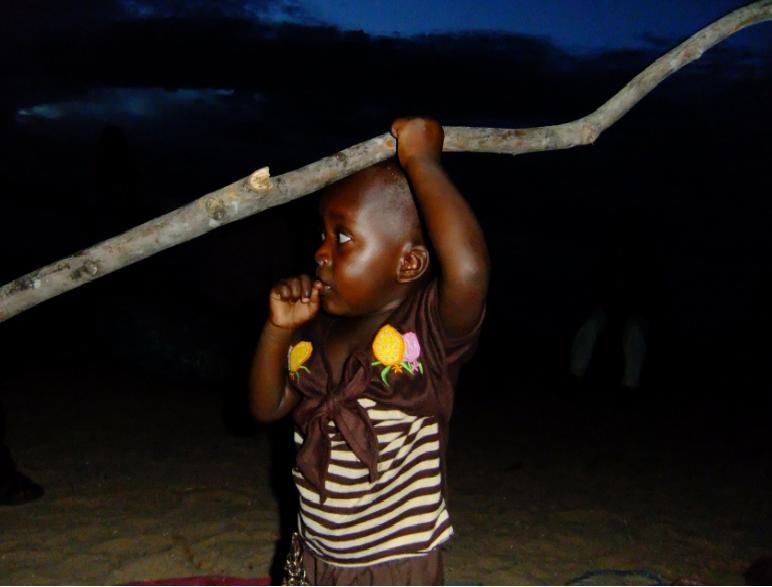
ImageHere is the massive gap in perception that requires one to completely shrug off any existing assumptions in order to comprehend. I took this picture in Malawi where a 3 year old child was captured working from dusk till dawn. The child was so small he was still sucking on his thumb. Some call it “child labour”, his family simply said to me: “family responsibility”

Another example. This time about I myself. Thirty something academic, not married, childless, not having a house, not even a car, and spending all my saving on “useless” journeys, some Asian newspapers who wrote about me described my life style as “extreme” and “rebellious”. I was, as a matter of fact, surprised and replied: “I thought wanting to live my own life was called “human right” !!!

What else? Endless examples. Terrorist or Freedom fighter? Rebel or Revolutionist? Gender (in)equality or respective social essence? Corruption or responsive favour system? …In short, where is the border line between universal right or cultural relativism?

You Trust a Quiz to Tell You Who You Are?

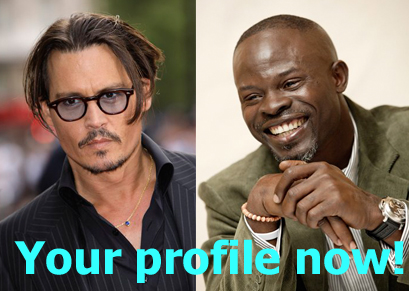
Your profile now!

Depp photo @Examiner
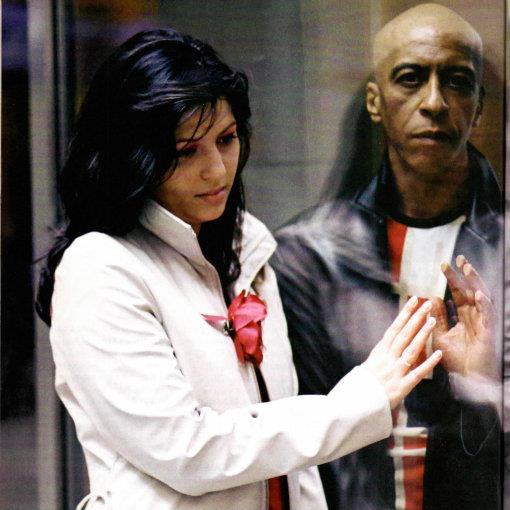
Honsou photo ©Armando Gallo/Retna Ltd

You may have had the same experience I have: clients, students, trainees and colleagues often ask me what assessment tools I recommend. My response, of course, is “for what purpose? What do you want to assess?” Sadly they usually can not answer that question. They know they want something online, something quick. They want something that provides immediate feedback, either inexpensively or for free. But, they rarely have focused in on a purpose, on what they want to learn through the “assessment.”

Sometimes I hear, “To give our people a profile of themselves—a profile of their style that tells them who and how they are.” The assumption is that, by understanding ourselves via this hypothetical quick, online, inexpensive or free assessment, we will immediately (almost magically) become empowered to collaborate more effectively across cultures.

Now don’t misunderstand me: assessments and inventories can be incredibly helpful tools. We are all better served by understanding our learning styles, personality traits, and communication skills. Taking a quick online assessment can also be fun. Heck, those quizzes in the magazines can be entertaining: What kind of personality am I in the bedroom based on whether the quiz says I’m more attracted to Johnny Depp or Djimon Honsou. I had fun just writing that sentence!

However, I can’t help but feel the world is just a WEE bit out of whack when we trust a personal profile, produced by a quick survey, more than we trust our own 20, 50 or more years of experience living with and as ourselves. Profiles can be informative: they can stimulate thinking and conversation. But they are not going to, in and of themselves, improve my ability, either in the bedroom or to work cross-culturally.

What causes us to want a profile? We are by and large intelligent people. We are adults. We know ourselves. Many of us want the quick and easy “answer” because our days are so full. Many of us don’t take time for contemplation, practice, or deep meaningful dialogue—even though these are precisely the acts via which wisdom, happiness and, yes, competence are achieved.

Let’s face it: intercultural competence, like all the other important abilities in life (good parenting, sound health, even skills with technology) involves PRACTICE. We need to stay current, we need to both broaden and deepen our abilities and experience.

So, keeping in mind the importance of HOW we use assessment tools, and the importance of a regular structured practice to improve our abilities, there are a handful of “profile” tools in the cross-cultural field that I find useful. Why do I like these particular instruments? They involve or encourage the contemplation, practice and deep meaningful dialogue of which I’ve written, and that research shows is required in order to improve cross-cultural competence. Some tools I can recommend are:

  1. Cultural Detective Self Discovery: This unique product in the Cultural Detective series helps individuals to investigate their cultural identities and develop a “Personal Values Lens.” Through a structured sequence of short exercises and discussions, individuals identify their core values, the positive and negative aspects of these values, and the thinking and behavior that flows from them. They then explore how their values and behaviors may be similar to and different from those of cultural groups. This Personal Values Lens can be used in conjunction with the Cultural Detective Online system for individualized structured learning, or, better yet, with the guidance of a facilitator or coach.
  2. The International Profiler: This terrific tool by our friends and colleagues at WorldWork involves a web-based psychometric questionnaire, followed by coaching sessions, to help develop an individual’s ability to operate effectively in unfamiliar cultural contexts. Nigel Ewington has been piloting ways of combining The International Profiler (TIP) and Cultural Detective (CD), to harness the best of both. Perhaps we can ask him to do a guest post about that?
  3. Personal Leadership: This methodology offers a way of being and interacting with the world that begins from the “inside out,” one that asks people to be fully present in their lives, awake to their habitual behaviors, and willing to look at situations with “beginner’s mind.” Of particular interest in this context is the personal visioning practice. Barbara Schaetti and Heather Robinson and I have created a MashUp process aimed at leveraging the dynamic interaction possible with Personal Leadership (PL) and Cultural Detective (CD).
  4. The Intercultural Development Inventory (IDI), originally based on the Developmental Model of Intercultural Sensitivity (DMIS), is a statistically reliable, cross-culturally valid measure of intercultural sensitivity. What I love about it is that it is developmental: great for charting individual or group progress. It can be completed online, with the assistance of a qualified administrator, and involves individualized feedback. Ideally the IDI is used as part of a process that also involves development planning and coaching.

We can have all the information in the world about ourselves, but if we do not have the courage and diligence to act on it, it is worth very little. None of the tools discussed above provides instantaneous transformation or the magic pixie dust of cross-cultural collaboration. Nor, I imagine, will they give me an evening with either Johnny or Djimon. But with ongoing, mindful practice and the guidance of a good coach or trainer, we will find worlds open to us that we might never have imagined, and we will develop the ability to collaborate more effectively across cultures—exactly what many of our clients are asking for. Each of the tools above dovetails very well with the Cultural Detective Series: TIP and IDI can help you chart progress using CD as a developmental tool, and PL helps ensure the inner work that should accompany CD use happens.

There are many more inventories, assessments and collaborative tools in the intercultural field. What are some of your favorites? How do you use them for maximum effectiveness? How do you motivate yourself and others to practice? What do you wish existed to address specific developmental needs and challenges?