Happy Thorri! Celebrate our new CD: Iceland package!

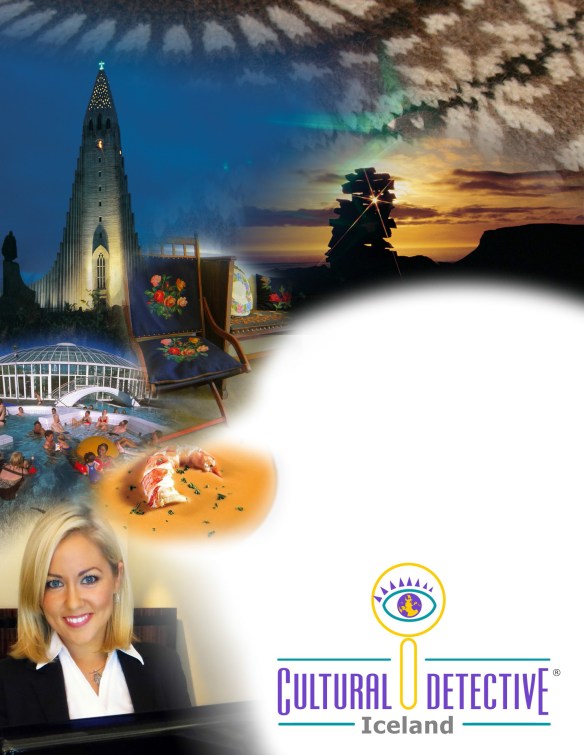
CD Iceland coverIt’s hard to believe that we have finally completed the Cultural Detective: Iceland package! This project spans more than five years, with some stops and starts. After working long hours in Iceland, in the USA, and on Skype, the emphasis was always on finishing what we started with high quality. We were both certain that, in spite of our busy work schedules, other duties, and familes, it would sort itself out, and we would manage to complete this project.
2014-10-23 12.10.15

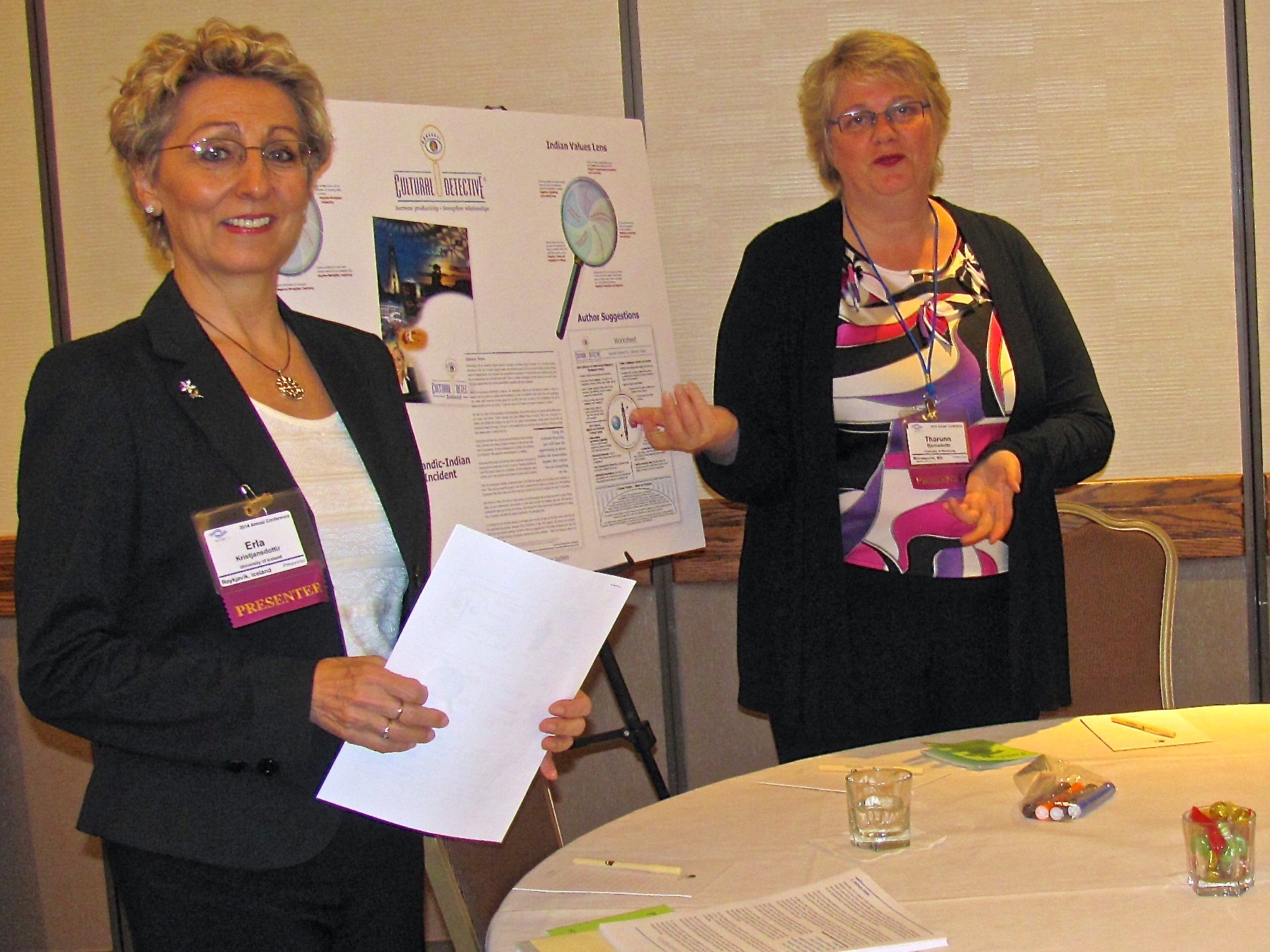
Erla on the left, Thorunn on the right

We were introduced to each other on a beautiful sunny day in Iceland in 2008, and that very day Thorunn asked Erla if she would be interested in collaborating on the Cultural Detective: Iceland project. We immediately “clicked” and decided to meet again and discuss the idea of working together. Throughout this collaboration we learned a lot about ourselves, about each other, and about our culture and what it means to be an Icelander. Through thick and thin, stressful moments, a lot of laughter, travel between Iceland and North America, we established a wonderful friendship for life.

It is perhaps fitting that Cultural Detective: Iceland is announced on Facebook during Thorri season, when Icelanders celebrate in ways no one else in the Western World celebrates: by eating fermented food and using anise or caraway-flavored snaps to help swallow it!
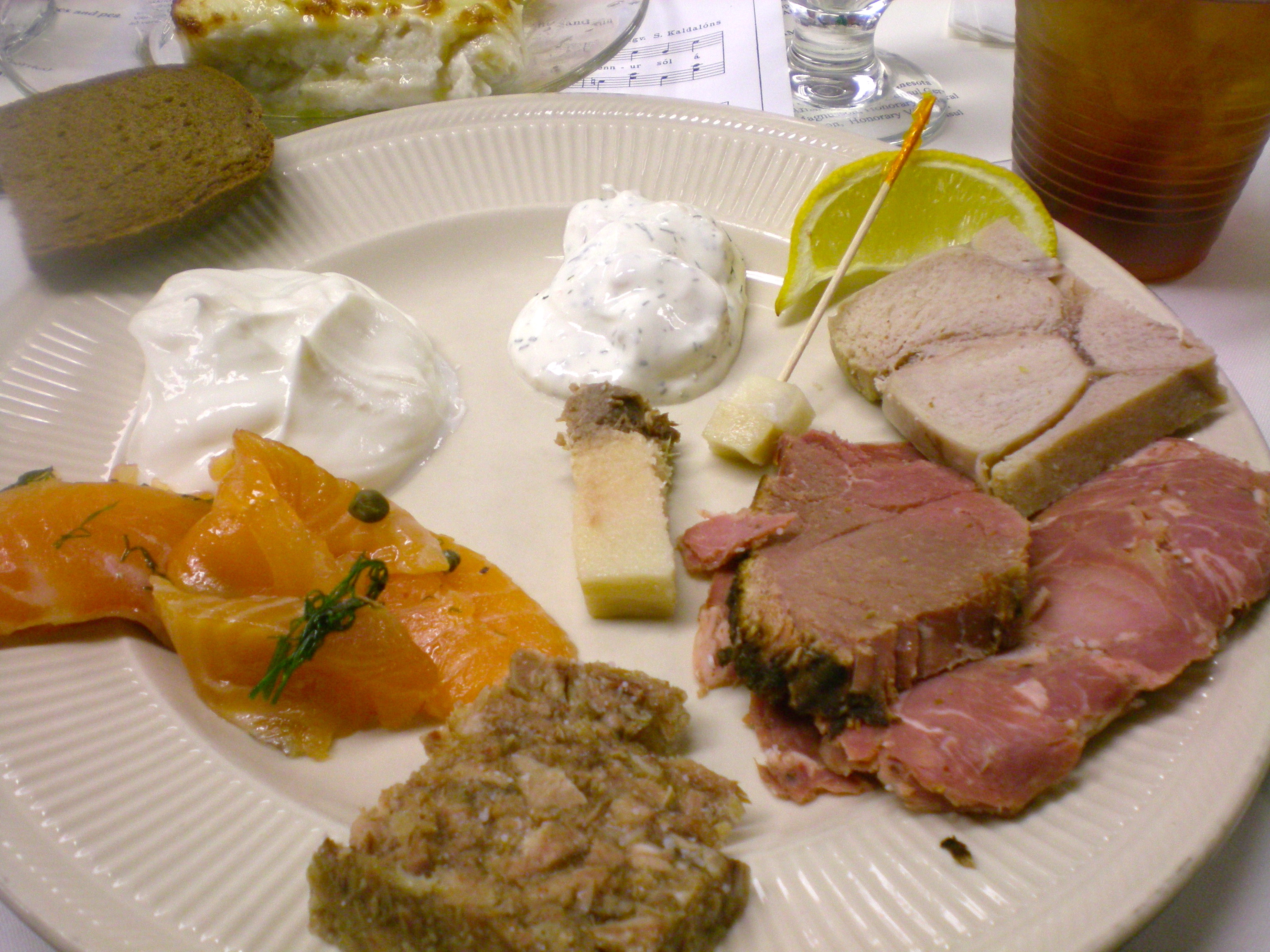
Þorrablot dinner

Þorrablot dinner

This mid-winter season in Iceland is called Þorri (Thorri), and according to the historic Icelandic calendar it starts on January 23rd with Húsbóndagur (Husband Day) and ends on February 22 with Konudagur (Women’s Day). At this time of year, Iceland is cold, dark, and windy. But because the sun rises at about 9:30 am in the morning, it is a whole lot better than in December, when it rises at 11:30 am—so it is time to celebrate as a way to get through the Thorri season! The celebration is called Þorrablot or celebration of the Nordic God Þór (Thor).

These parties are usually attended by people belonging to the same social group such as a fireman’s association, an association of people from a particular fjord, or people who work for the same company, etc. The entertainment varies from a stage performance, to a comedian as Master of Ceremonies, to people making speeches and reciting Icelandic poetry, and usually ends with lots of dancing and singing of national songs. The staple foods at these parties are pickled ram’s testicles, boiled sheep’s head, blood sausages, liver pudding, smoked and cured lamb, and dried fish. Some people have to be “manned” into eating these things, and some parties have these delicacies as side dishes rather than as the main dishes.

Below is a video of Þorrablot at CCP, an international company headquartered in Iceland. A new employee from Denmark has been invited to this celebration. Can you imagine his culture shock?!!

So how do we translate our wonderful yet, at times, strange culture into a manageable frame for others to understand? This was our task as co-authors. It was not easy, but surprisingly rewarding. After interviewing foreigners living in Iceland, and Icelanders working abroad, we began to see the values system emerge.

We struggled quite a bit about which values to highlight through the Icelandic Values Lens. The more we talked to people, the clearer it became to us that Icelanders hold their language as central to the culture. So strong is this value that Icelanders believe that for anyone to be able to work in Iceland, even in menial jobs, they need to learn the language. To support this value, Icelandic companies who hire foreigners generally offer Icelandic lessons during the lunch hour.

Every culture has some things that cannot be translated. In Iceland, one of those things is the phrase, “þetta reddast,” literally translated into English as “it will work out.” However, in English, this phrase seems more of a hope than a reality. In Iceland, we understand the phrase to really mean “things will sort themselves out” and, in the end, they always do, somehow.

Because immigration is making the country more diverse and the travel industry is growing, there is a definite need to enable Icelanders to be more open and knowledgable about cultural differences and gain cultural competency. In addition, Iceland’s economy is export-driven and becoming more integrated into the world economy, so it is important for outsiders to learn how to work with these very direct, honest, and hard-working people with a great sense of humor.

Cultural Detective: Iceland is now included in Cultural Detective Online and also available in a printable PDF format. We are looking forward to using CD: Iceland in universites, companies, organizations, and any place people want to learn about our culture. If you get a chance, we hope you will visit our beautiful country. Meanwhile, we encourage you, a curious Cultural Detective, to learn about Icelandic culture by exploring the new CD: Iceland package!
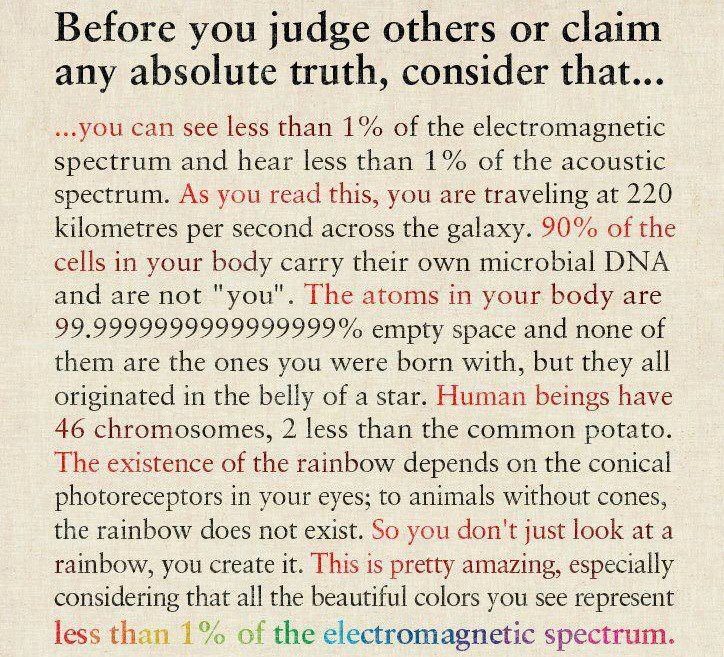
Vinnan göfgar manninn. “Hard words break no bones.” (Icelandic Proverb)

CD Iceland coverI have the best job in the world: working with our Cultural Detective authors—I always learn so much! Recently, I had the pleasure of working with our authors on the Cultural Detective: Iceland package—the most recent addition to the CD series. This is a culture I know nothing about, therefore, I had no preconceived notions about how it would be to work with these bright ladies, or what I would learn.

Fortunately (from my US American point of view), being direct and straightforward is generally considered being honest, and is highly valued in Icelandic culture. When discussing a topic, everybody tends to share ideas (without evaluation) and then the best course of action is chosen. Questions are answered directly, and disagreement usually is not considered a personal attack. To those from a less direct culture, this style of communication may feel rude and blunt, while to Icelanders it’s just contributing their ideas.

The authors shared a delightful example of language and culture being intertwined: Icelanders do not use the word “love” as US Americans do. Their word for love is used in relation to family. It is a “very expensive/high value” term with a special use for a special purpose. Therefore, the use of “love” was very confusing to our authors when they first arrived in the United States. They were surprised that people loved their pets, loved ice cream, loved a movie, etc. In contrast, one of the authors told me that if her husband ever said he loved her, she would know she was dying! She told me, “Icelandic husbands love their wives so much that they almost tell them!”

This relatively small country (population 320,000) has seven universities, the oldest parliament in the world, and dynamic, high-energy, optimistic people. We look forward to introducing you to CD: Iceland, and a culture whose Viking roots impact the freedom and respect for the individual that are the heart of Icelandic values today. Be sure to check it out, put it to good use, and let us know what you think!

Ever Feel Crazy? Van Gogh and the Blended Culture Person

seeAs a Blended Culture person, do you ever feel crazy? Do you feel that you see things others can’t? Being skilled in multiple cultures is a great asset, a blessing, really. Our ability to see multiple perspectives, multiple realities, is such a needed ability in this world of ours. Very little in life is truly black or white; we need people who can distinguish and navigate—lead us through—the grays. Our world needs Blended Culture leaders, artists, mediators.

Being a Blended Culture person, however, can cause us to feel, well, isolated. Misunderstood. Tired. We might occasionally feel distrusted by those around us. Like too much responsibility for helping others to understand falls on our shoulders. Like we never fully fit in anywhere. Or, if we do, that we are always missing someone else or something else. Always torn.

I was reminded of the Blended Culture experience recently, when I saw the video below. The video uses animation to explain that Van Gogh, while psychotic, was able to perceive something others didn’t—one of nature’s most complex concepts—turbulence, or turbulent flow. Turbulent flow is something that science is only now, 125 years after Van Gogh’s death, starting to understand. Van Gogh painted such turbulence while he was in an insane asylum, no doubt feeling isolated and misunderstood, as so many Blended Culture people occasionally do.

To thrive as Blended Culture people we need patience as well as communication skills. We need to be able to translate what we know, see, and feel so that others who don’t have our multiple perspectives can get a glimpse into other worlds. This is the other huge gift that Van Gogh demonstrated. He was not only able to perceive turbulence when others didn’t, he was able to show us, communicate about it via his paintings, so that the rest of us are able to see it, too! That is the true gift of a Cultural Bridge person!

How does one become a person who builds Cultural Bridges? Using the Cultural Detective Method helps us understand that there are multiple, valid perspectives in any situation and suggests ways to build “communication bridges” across cultural divides. Cultural Detective Online provides low-cost access to more than 60 cultures so you can practice your “bridging skills” and learn to facilitate communication with those who are culturally different.

So the next time you are feeling a bit crazy as a Blended Culture person, seeing “too many” sides of a situation, remember you have a skill—and that you can learn the ability to communicate it to others and build bridges between perspectives!

#MyGlobalLife Link-Up

2014 Year in Review

240_F_71469226_XoKVyVhM4OzQ7CXxB9e3H6myQHfmjOP7The entire Cultural Detective Team would like to thank you most sincerely for being part of our community, and wish you much joy, health and success in the new year!

2014 was a big year for Cultural Detective, as we celebrated our 10th anniversary! We are thrilled to have grown into such a large and talented community of people worldwide, committed to making our world more respectful, collaborative, just and sustainable. Thank you for joining us on this very important journey!

LayeredLensesFinalThis year we were able to achieve another milestone: launching our best-selling Cultural Detective Self Discovery (currently in beta) as part of our Cultural Detective Online platform. This is a huge step forward for our small business.

We are proud that our online tool encourages people to look at themselves and others as beings that are influenced by various cultures, not just nationalities. Now, people are able to explore their individual values as well—their uniqueness—and how they’ve been personally influenced by the cultures around them.

After developing a Personal Values Lens, users can then compare their values with those of any other Values Lens in the online system. This offers a way to investigate aspects of a new culture they might resonate with or find challenging. And it provide a way to strategize about how best to adapt for success cross-culturally, while preserving their sense of self and, also very importantly, their ethics. If you haven’t yet given CD Online a go, you are certainly missing out! Nearly every day I hear a new customer tell me they can’t believe how powerful Cultural Detective Online is, and how affordable. So what are you waiting for?

One additional huge milestone in the CD Online system is the improved group functionality. We are thrilled that users within a group can now collaborate on writing critical incidents and debriefs. Think of the possibilities: your learners working together on cross-cultural stories, told from each person’s perspective! Individual learners can choose to share (or not share) their incidents with the group by submitting it to the group administrator—trainer, coach, professor or team lead. The group administrator can then request the learner to edit the incident and debrief further, or can share the incident and debrief with the entire group. This functionality is transforming the way customers use our system and develop intercultural competence. It is thrilling to witness!

online-learningBecause of these two huge enhancements to our online system, we will be adding a couple of standard webinars to our lineup. As you know, we already conduct monthly complimentary webinars introducing people to this powerful process for cross-cultural collaboration. In 2015, we will add to that lineup by offering a webinar on Cultural Detective Self Discovery, and a second one on Using Group Functionality in CD Online.

The first quarter schedule is live at www.CulturalDetective.EventBrite.com, and additional webinars will be announced throughout the year. One series we are hoping to add will deal with race and power issues, with the intent that by the end of the year we will have some constructive ideas on how to dialogue more effectively with friends, family and colleagues, and how to promote societal change and healing.

Check back frequently and please let your friends and colleagues know about these terrific professional development opportunities. We have people joining our webinars at all hours of the day and night. More importantly and unbelievably, they actually THANK us for keeping them up at 3 am! (We do schedule our webinars at different times to allow for time zone differences, by the way. It’s just that some people are more eager than others.)

In 2014, we added 5000 new readers to our blog, with readers joining us from 167 countries this past year. I find that very encouraging! Our social media reach has grown extensively. Cultural Detective has an active presence on Twitter, LinkedIn (group), Facebook (page), YouTube (channel) and GooglePlus, as well as a Pinterest board of proverbs, several ScoopIt boards, and a weekly Paper.li Intercultural Competence News Feed.

Are you curious what sorts of posts attracted all these new readers? Here is a list of the top ten most popular posts we published this year:

  1. The Nasty (and Noble) Truth about Culture Shock Published in August and already outranking posts published earlier in the year, this post contains a wealth of information, debunks a common myth, and includes free downloadable training materials.
  2. Another Intercultural Research Paper Supports the Cultural Detective Approach Published in January 2014, this post soared to the top of our list and proves you are hungry for research. This study came from Bertelsmann, Stiftung and Fundazione Cariplo.
  3. New Year’s Gift: Oldie but Goodie—The STADIApproach An excellent, tried-and-true design piece, this freebie is still yours for the downloading.
  4. Are You Nice? A guest blog post by Carrie Cameron from May, 2014, recommending to our readers the excellent work of Penelope Brown and Stephen Levinson. Congratulations and thanks, Carrie!
  5. We Are Not (Just) Our Nationalities A very important post from June of this year, we hope each and every one of you will read it and pass it around. None of us has just one story, and Cultural Detective helps us learn about the multiple cultures that influence us, while reminding us we are each unique individuals.
  6. Lack of Diversity Correlates with Religious Hostility This post looks at the powerful results of a Pew Research study and was published in April of this year. If you missed it, be sure to take a look now!
  7. Cultural Detective as a Facilitator’s Magic Tool This guest blog post by facilitator and joke-teller extraordinaire, Tatyana Fertelmeyster, is from June 2014. Congratulations and thank you, Tatyana!
  8. User Tip: Bridging Cultures Offering advice for getting the most out of Cultural Detective, this post was shared with us by long-time expert user Meg Quinn, and just published in October. Congratulations and thank you, Meg!
  9. Clean House and Change the Bedding to Greet the Lava A terrific post that came about because an esteemed colleague, Tim Sullivan, shared the video with us. TERRIFIC training material and an excellent resource on the cultural dynamics of current news! Do not miss this one.
  10. 4 Methods of Learning Culture A short and very powerful excerpt from Cultural Detective Self Discovery, published in early September and quickly gaining in popularity.
  11. Are Emoji the World’s Newest Language A world language quiz and Beyoncé video subtitled in emoji accompanied this post, published in October.

We are thrilled that our blog is now read by over 20,000 people worldwide! We would be proud to showcase the work you are doing to promote intercultural competence, so send your draft article or idea to: blog@culturaldetective.com.

Five of the posts that made it into the top ten list of most-read posts this year were actually written in previous years. Those posts include:

  1. Ten Surefire Ways to Divide into Groups Originally published in June 2013, this post hit its height of popularity in September and October 2014, with over a thousand hits each month—proving that trainers love new ideas!
  2. Five Top (Free and Easy) Virtual Collaboration Tools You May Not (Yet) Be Using Published in November 2013, this post has been a consistent reference tool for our readers ever since.
  3. Can you read this? Originally published in July 2012, this post has slowly but steadily gained popularity every month since. It takes a popular Facebook image created for Spanish readers, accompanied by a similar one created for English readers, and asks you to reflect on the definition of culture and its role in what we perceive. If you haven’t read it, you are overdue.
  4. Research Findings: The Value of Intercultural Skills in the Workplace Published March 2013, this is the post with the most popular video we have ever produced, and presents the findings of the British Council study. Videographers we are not, but even the British Council added our video to their web page.
  5. Want to Feel Ukiuki, Pichipichi and Pinpin? Japanese Food Onomatopoeia One of my personal favorites, this post has gained popularity among our food-related posts, and we know you love food!

From the list above, there are four posts that were not in our top ten for 2014, but still make the blog’s overall top ten list. Those include:

  1. Bicycling in the Yogurt: the French Food Fixation, a terrific guest post by Joe Lurie. If you speak French or enjoy eating, give it a read. Thanks again to Joe for his terrific collaboration in so many ways.
  2. “Belief Holding” as an Intercultural Competence: Religious less motivated by compassion One of my all-time favorite comics and one of my all-time favorite cross-cultural competencies (Michael Rokeach’s Open and Closed Mind), plus the findings of a UC Berkeley study.
  3. Using Film in Intercultural Education I’m very grateful this post is still in our all-time top ten, because it helps me feel our dear colleague and friend Kevin Booker is still with us.
  4. More Cultural Appropriation: The Swastika Also grateful to still see this post up high on the list, because it’s about my all-time favorite critical incident. I shouldn’t play favorites, but I absolutely love this story; it’s just so typical of what happens in Global Diversity work.

Finally, when you write a blog, you love it when someone comments. Otherwise, you can easily get to feeling you are writing in a vacuum. Hearty and heartfelt thanks, therefore, to our most frequent commenters in 2014, each of whom are extraordinary builders of intercultural competence in their own right: George Simons, Vanessa Shaw, Shan McSpadden, Anna Mindess, Jenny Ebermann, and Olivier Marsily.

We look forward to having you join us in a webinar, to reading a guest blog post you might submit, or to dialoguing with you via comments on the blog or social media. Bless you for your commitment to building respect, understanding, collaboration and justice in this world of ours! May 2015 bring you health, joy, love and success!

There is No Such Thing as Common Sense

CDModel&BridgeOrganizations want to hire employees with common sense. Parents want to raise children with good common sense. Universities and schools want to teach our young people to have common sense.

The trouble with the concept is this: my “common sense” is not your “common sense.” What’s common sense to one person is not to another. For example, if a friend stumbles and trips but is obviously unhurt, do you:
  1. Express verbal concern, asking if they are ok?
  2. Pretend you did not notice, to spare any embarrassment?
  3. Make a joke, to lighten the mood and relieve any awkwardness?
  4. Smile or laugh awkwardly, to share the embarrassment with your friend?
Each of these responses can be “common sense” in different circumstances, in different cultures. What if an angry customer calls me? A “common sense” customer service response could include, depending on the corporate culture, national, ethnic or generational culture of the customer service agent:
  1. Doing whatever is within my power, exerting all possible avenues to make the customer happy;
  2. Apologizing and then educating the customer so that they learn how something works and won’t feel frustrated again the next time; or
  3. Telling the customer “no,” as what the customer wants is not part of the contract.

What does the dictionary provide us as the meaning of the term?

Common Sense
noun Sound practical judgment that is independent of specialized knowledge, training, or the like; normal native intelligence.
Origin 1525-35; translation of Latin sēnsus commūnis, itself translation of Greek koinḕ aísthēsis

With such a terrific definition, anyone would want to have common sense. Yet, what is “sound practical judgment” in the tropics (how to stay hydrated and prevent heat and sun stroke) is quite different from “normal native intelligence” in snow country (how to stay warm and find food when it’s cold). Common sense for accountants (income vs. payments needs to balance or be positive) may be quite different than that for sales people (invest now for payoffs later). Sound judgment for women is, fortunately or unfortunately, frequently different than that for men; common sense for a Baby Boomer is often remarkably different than that of a Millennial; and US American society is finally starting to realize that common sense (survival instincts) for a black person is radically different than that for whites.

Common sense depends on where we are, how we’ve been raised, and what knowledge is “common” or shared by members of our communities. Common sense is developed so that we can survive and thrive in the world around us. Thus, common sense is really “cultural sense,” common only to those who share it: those who share a given culture.

Common sense is really “cultural sense,” common only to those who share it: those who share a given culture.

How do we say “common sense” in some major world languages? Might that provide further insight?

     Key: native language, transliteration, “literal meaning”

  • In Arabic: الحِس العام, Al ḥes al ‘aaam, “public sense” or “general sense”
  • In Chinese: 常识, chángshì, or “general knowledge”
  • In French: le bon sense, or “good sense”
  • In German: de gesunder Menschenverstand, “the healthy human sense”
  • In Japanese: 常識, johshiki, or “everyday thinking”
  • In Russian: здравый смысл, zdravyy smysl, or “healthy wit,” meaning you must be crazy not to agree with it
  • In Spanish: sentido común, or “shared sense”

This is why “cultural sense” is a core concept in the Cultural Detective Model. You can see it prominently featured in the graphic at the top of this post, along the bottom edge of the circle. What does “cultural sense” mean, exactly?

Most of us act with the best of intentions on a daily basis. We perform our jobs in ways that we feel they should be done. We treat our co-workers in ways we feel reflect sound judgment. We deal with our neighbors in ways our native intelligence tells us is neighborly. We talk to our children in ways we believe will guide and motivate them, help them become better people. We put our common sense, our cultural sense, to use everyday.

Yet, all too often our actions are misperceived, and our customers, co-workers, neighbors and family members experience negativity in our behavior. They may get angry, frustrated, or disappointed with us. They may be confused about why we do what we do. That is because their common sense, their cultural sense, is different than ours. Their assumptions about appropriate behavior in a given situation are different than our own. Their beliefs about how the world is may differ from ours.

We all aspire to have common sense and to form teams and organizations with common sense. But it is important to remember that establishing shared “common sense” is an ongoing process. Miscommunication and misperception provide opportunities for us to better understand our own values and “native intelligence,” as well as to learn more about the values and native intelligence of those around us.

So, the next time you shake your head at someone’s behavior and wonder if they have any common sense, remember that their cultural sense may just be different than your own! It takes effort, but creating a “shared intelligence” or shared common sense provides a context in which all of us can work, live, and be our best. Regular use of Cultural Detective can help you achieve just that.

Part of the #MyGlobalLife Link-Up.

How Do Universities Develop Students’ Intercultural Competence?

543266_10150772354506354_665823583_nAnd why is Cultural Detective quickly becoming a preferred tool?

University of Southern California is the most international campus in the USA. The Marshall School of Business at USC recognizes the value of intercultural competence and is committed to truly developing it in their students.

They know that the mere experience of study abroad, or working in a multicultural team, does not build competence. Experience is not learning. Learning is the sense that we make of our experience. USC knows that research shows developing competence requires ongoing, structured reflection on the part of students—with faculty guidance. They have been using Cultural Detective for the past two years, in a growing variety of programs, because they realize the tool helps them accomplish their goals.

The video below is of Assistant Dean Gita Govahi, telling us why the Marshall School of Business has chosen Cultural Detective, and how they use it:

At Cultural Detective we are particularly impressed with something USC has done: they have students generate learning material for the following semester. For example, while students are abroad and after they return, they are required to upload stories of intercultural interaction from their own experience into Cultural Detective Online. They are also required to debrief those stories, to make sense from them. Each program and each semester, faculty award prizes for the “best of” these stories and debriefs, and honor the student-authors by using them in the pre-departure orientation for the next cadre of students.

This second video shows Professor Jolanta Aritz, giving her opinion as an instructor:

I often say that launching a book or a tool into the world is much like having a child: you nurture them to the best of your ability, and at some point you just have to pray that they do good in the world. Children become independent, with minds and lives of their own. Books and tools are used by people in ways we, the authors and creators, can not always control, despite our best efforts. It’s people like the talented professionals at USC who make us very, very proud of the tool we have created. They are putting it to excellent use and students are learning lifelong skills.

We know you all are doing some incredible things with our tools. Please, share your story and make sure we know about it!

Time for a Racism Revolution!

My eyes fill with tears
Bitter, pain-filled, sad-hearted
Flowers in the snow?
***

I am beyond words. As are so many. Racism sucks. It punishes everyone, and has a hugely detrimental effect on society. It breaks my heart to know how hopeless and powerless “ism”s make so many young people feel, in my birth country and elsewhere around this planet. Young people should be feeling passionate and enthusiastic, not alienated.

Racism is a human construct, and WE are the ones who can deconstruct it.

So let’s do it! I type these words habitually. Today, I am not up to it. Today is a day of mourning, of licking the painful wound. I sit at my desk this morning, unable to work. My heart and mind are filled with a confusion of thoughts and emotions. Then, one of my automatically scheduled blog posts is published, on the topic of bananas! I am horrified. How can such a lighthearted topic be published on our blog on a day like today?

Yet, it is somehow fitting. The banana post speaks of world hunger, another societal inequity. This morning I read that the richest 85 people in our world have as much money as the 3.5 BILLION poorest! These billionaires could give away a million dollars a day for the rest of their lives and still not run out of cash! While people go hungry. Just a bit of perspective; I’m not intending to vilify anyone. We are all innocent; we are all guilty. We all have our bits to play. In addition to talking about world hunger, that same blog post shared a training activity designed to help us value our differences. But…

***
“Many black families woke up this morning knowing that the lives of their children are worth less than the lives of white children in America. The deep distrust of law enforcement in their own communities that so many African Americans feel just got deeper last night.”
—Jim Wallis
***

The Ferguson ruling that has me so conflicted today isn’t just about the case itself; it occurs in a larger context. It takes place in a much longer history, one fraught with oppression, misperception, and fear.
  • How can anyone ruling on a case filter out, or factor in, how society has taught a white police officer in a given suburb to see, perceive or feel about an unarmed black youth?
  • Would Michael Brown be dead had he been white? We punish African Americans every day for society’s larger guilt, the guilt that we, collectively, are plagued with given our history and our choices.
  • Would the ruling have been different had Officer Darren Wilson killed a white youth? Whites reap the privileges every day of living in a society with our history and choices, whether we experience it as privilege or not.
  • Violence is wrong, burning buildings and looting is wrong; but we can surely understand the frustration born of feelings of outrage that provoke such violence, after decades of failing to understand, failing to empathize with the pain, and a collective unwillingness to change. There needs to be a release to decades of built-up tension. People seek justice, it is human nature.

***
”A riot is the language of the unheard.”
—Rev. Dr. Martin Luther King, Jr.
***

o001_hand_10***
“Hurting others or destroying property is not the answer.
I do not want my son’s death to be in vain.
I want it to lead to incredible change, positive change, change
that makes the St. Louis region better for everyone.”
—Michael’s Brown’s father
***

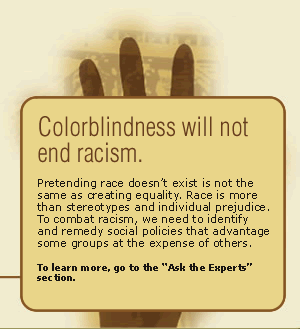
This morning in my failure to be able to get my work done, I came across a wonderful tool on the USA’s Public Broadcasting System website, called Race: The Power of an Illusion. You may know that race has no genetic basis. Did you know that there is more variation within a race than between races? And that race is a modern construct? Racism evolved to justify social inequalities as “natural.” Please, bookmark the tool and spend some time clicking through and learning with it. I found it very helpful.

***
“Indifference to injustice is
more insidious than the injustice itself.”
—Cornel West
***

There were several pieces I read this morning, amidst the welcome cacophony, that helped me make some bit of sense of what’s happening, that helped me glimpse a constructive path forward.

  1. One of my favorites, as usual, was written by Jim Wallis, author of God’s Politics. It is entitled A Sad Night for America, and focused a call to action to subject our criminal justice system to the requirements of racial justice. “How law enforcement interacts with communities of color raises fundamental, legitimate issues that must be addressed by the whole nation if we are to move forward. The changes we need in both policies and practices must now be taken up in detail. Our neglect has led to anger and hopelessness in a new generation, but their activism will also help lead us to new places. It is indeed time to turn Ferguson from a moment to a movement.”
  2. If, like me, you are white, or born to a privileged socioeconomic bracket, class or caste, there is a terrific article that you might find helpful: 12 Things White People Can Do Now Because of Ferguson. While I consult most of the resources noted therein, it is important to actually read them, to reflect on them, to make personal sense of them, on a regular basis. Only then can we have a hope of living our beliefs and convictions. I’d also encourage you to subscribe to Cultural Detective Online, to examine your personal values via CD Self Discovery, and to overlay those personal values with those of different ethnicities, nationalities, ages and religions.
  3. Finally, I found sense in Barbara Francella’s article, Skittles and Race in the Workplace. Short, to-the-point, and frank, I found it an excellent empathy piece. An organization can not get the best work out of an employee if that person has to leave a major percentage of who she is outside, before entering the workplace.

May we listen to one another, value one another, hear each other’s experiences as “truth,” and work together to build societies that are ever more just, equitable, and sustainable.

Linked to the My Global Life Link-Up at SmallPlanetStudio.com

3 Fundamental Skills for Intercultural (and Life) Effectiveness

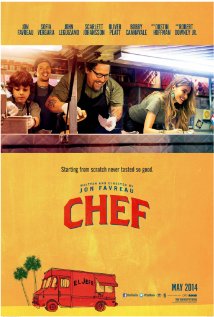
Chef

A, B, C of intercultural effectiveness, and a film recommendation

For well over twenty years I travelled 25 days out of every month. I loved it. Always a new place, thriving off the energy of the people I had the pleasure of working with, each week or two entering a new industry and learning how things work. The fundamentals of human interaction that I dealt with did not vary significantly by industry; the content, however, did.

When my son was small, he and the nanny travelled with me. As he got older, he accompanied me. He sat through my training workshops, he accompanied me on some consulting gigs, and he enjoyed babysitters, daycare and children’s learning clubs around the world. Ten years ago, when my son was about eight, I began scaling back my travels. The impetus for scaling back was that my son was now old enough that it became challenging to take him out of school; he would miss too much. And, there was no way I was going to miss his childhood! An additional reality was that the constant travel was ruining my health, I always felt tired, and, I was honestly just ready for a change.

So, I stopped the 25 days/month travel schedule. It was difficult to say “no” to interesting and high-paying work, but I’d set my priority. I started staying home. I started a small publishing project (Cultural Detective). I absolutely loved it. I was now able to take time to cook regularly, a passion I love. I was able to exercise daily, and meet new people locally via exercise classes and groups. I was able to go out for coffee with girlfriends, and to be present for friends’ major life events—so many things I’d missed when I travelled a lot. Of course, I also missed the travel, and seeing my far away friends.

Now, when I occasionally travel (every couple of months), I find myself grateful for the experience rather than resentful. The journey is enjoyable again. Thus, on a recent flight to Vienna, I relished having two seats to myself. I was grateful for the free-flowing, high-quality red wine on Tirolian/Austrian Air. I read the in-flight magazines on two different airlines and got several blog post ideas. And I very much enjoyed watching a Blended Culture movie entitled, Chef.

The film is an enjoyable reminder of some fundamental intercultural competencies and life truths…

Chef is a 2014 movie starring Jon Favreau, Scarlett Johansson, Dustin Hoffman, and Robert Downey, Jr., about a chef whose family and career have both become frustratingly dull. He’s caught up in the busy-ness that can be modern life, and failing to pick up on the cues that his relationships and creativity require a major shift. He reminded me a bit of myself, actually. Have you ever found yourself in a rut? Going through the motions, not paying enough attention to what really matters, focusing primarily on accomplishing all the tasks on your plate?

In true Hollywood style, by the end of the movie the chef figures it all out, and happiness reigns as the credits roll. Along the way, the film is an enjoyable reminder of some fundamental intercultural competencies and life truths.
  1. Attentiveness: Stay alert to what’s around you (family, friends, work environment), as well as to what’s inside you (your passions, talents and desires). Prioritize your activities so that you feed what’s important to you and minimize that which diminishes you. Staying externally attentive will help ensure that you adapt appropriately in cross-cultural situations, while internal attentiveness will help ensure that you do not lose yourself, your ethics and your talents, in the process.
  2. Bravery: Don’t be afraid to take risks. There are many euphemisms for failing to do what we know we need to do: “going through the motions,” “paying the bills,” “not rocking the boat,” “keeping one’s head low.” Staying true to oneself and what you know to be “right” often requires bravery and trust. I’ve seen many times that foreigners or outsiders can effect positive and needed change to a system when old-timers can not. I’ve worked with many people who try so hard to “fit in” to cross-cultural situations that they lose who they are, their authenticity. Be brave enough to adapt, and be brave enough to be yourself.
  3. Creativity: If you’re not feeling energized, if you fail to see connections between the different areas of your daily life, if you’re not frequently generating ideas, experimenting with innovative projects, or exploring new territory, take note. You are probably pushing and trying to do too much too quickly. Slow down, step off the rat race, refresh, restore and recuperate. You are far too precious, and your insights and talents are too needed, in this world of ours. How can any of us bridge cultures if we don’t have access to our innate creativity? And, let’s remember: it takes all of us to be creative if we are to form a truly inclusive society or organization.

Linked to the My Global Life Link-Up at SmallPlanetStudio.com

That went well.. not! Meeting the victims

So happy that the families are exercising their voices, and their indignation. I applaud their success in getting Mexico’s President to, for the first time ever, put his official signature on a document of this type. I pray that my adopted country (Mexico) can find its way toward equity and justice. Remember that egalitarianism is one of the core values of Blended Culture people, for precisely this reason. Every life is valuable, we all have contributions to share, without each of them the puzzle will not fit together. Intercultural competence demands we fight corruption and power imbalances.

richmx2's avatar

I seldom translate news articles any more not only because I have too much to do, but because Mexico Voices more often than not picks up the same stories I would have translated, and generally does a much better job.  And, is able to get them posted much sooner than I could.

Jane Brundage translated Blanche Petrich’s report that appeared in yesterday’s Jornada on the meeting between the parents of the disappeared Ayotzinada students, the widow of the student killed (and skinned), and a few other victims of state-tolerated (or perhaps state-sanctioned) terrorism.  What appears from the article is that while the adminstration attempted to spin this as an “message: we care” moment, bringing in those survivors and victims are a tougher lot than was anticipated.

There was not a single moment of relaxation during Wednesday’s (October 29) meeting at Los Pinos. Not one smile, not a single “thank you…

View original post 582 more words

How to Get Promoted in 3 Hours

mexican-american flagsI’m going to tell you a real story, of an actual person, who was promoted to a management position from an administrative assistant position because of a three-hour workshop she conducted for her bosses.

How’d it happen? The woman, let’s call her Yolanda, worked for a very large multinational in Texas. The firm, of course, did a lot of business with Mexico. Over the ten years or so Yolanda had been with the company, she’d worked for a succession of bosses, most of whom did not understand Mexican culture and had committed many errors, losing opportunity and revenue, as well as credibility, for themselves and the company. Yolanda is Mexican-American, and her bosses’ actions used to frustrate and embarrass her. She could see that her bosses could be a lot more effective, she wanted to help, but she didn’t know where to begin to explain Mexican culture to her bosses. She was an administrative assistant, not a consultant, executive coach, or trainer.

Enter Cultural Detective. Yolanda looked over the Cultural Detective Mexico package. It made sense to her. She intuitively understood the values in the package’s Mexican Values Lens. She could tell stories from her own organizational experience to illustrate each value and correlating negative perception. Yolanda had so many stories, stories that were real, that had cost her company money and, in some cases, staff.

Yolanda got her four bosses to agree to a three-hour “lunch and learn,” during which she’d teach them about Mexican culture. She was excited, but she was also scared. She wasn’t a facilitator, she’d never studied culture or cross-cultural communication. But, she knew her organization, she knew her bosses, and she knew both US American and Mexican cultures. So, she gave the workshop her best.

At the outset of her seminar, Yolanda told her bosses a story—a story they clearly recognized from their own experience, a story of a time they’d been frustrated, and less than successful. They all knew the details; she had only to remind them of the event she was talking about. Yolanda drew a Cultural Detective Worksheet on the flip chart. She asked her bosses what they had done in that situation. Then, she asked them to think about why they had done what they’d done—what was the underlying “common sense” that motivated their behavior? That wasn’t so easy, but they did it. And it proved pretty insightful. They hadn’t consciously thought about the reasons for their actions, hadn’t spent time thinking about how culture-bound their behavior was. This was Yolanda’s first successful “aha” of the three hours.

Next, she asked them what their Mexican colleagues had done in the given situation. Yolanda encouraged her bosses to quote the words that were said and the actions the Mexicans took. Of course, her bosses said things like, “I couldn’t trust them,” “he wouldn’t tell me the truth,” or “they went behind our backs,” but on the flip chart she recorded the actual words and behavior of the Mexican colleagues. Yolanda then asked her bosses to do the same thing for the Mexicans that they had done for themselves. She said, “Maybe your colleagues really were dishonest, untrustworthy, conniving. But, for the sake of learning, for a few minutes let’s give them the benefit of the doubt. What could have been the positive intentions behind their words and actions? If we look at your side of this Worksheet, you have all positive intent, nothing negative. Let’s see if we can’t fill in their side the same way. Maybe at the end we decide to throw it all out, decide that they were just bad people. But first let’s see.”

Her bosses came up with several guesses—possible motivators of their Mexican counterparts’ behavior. Then Yolanda filled in a couple more, explaining the reasons these colleagues had probably acted and responded the way they had. Her bosses said things like, “That makes sense,” “I’d never considered that before,” and “so I did exactly the wrong thing; I shot myself in the foot!” Her bosses experienced their second “aha” of the workshop.

Next, Yolanda handed out a copy of Cultural Detective Mexico to each of her bosses. She walked them through the Mexican Values Lens, telling stories from her organizational experience. She asked them how they felt about each of the values, and reminded her bosses that each Mexican is unique—that the values in the Lens are societal tendencies. After introducing the Values Lens, she focused her bosses’ attention back on the Worksheet. Now they had lots of ideas about why their Mexican colleagues might have acted the way they did. And even more importantly, her bosses had lots of ideas on how they could have acted in ways more conducive to achieving their business objectives—to bridging cultures. A third round of “aha” learning was achieved.

The three hours sped by quickly. Her bosses learned so much. Their ability to do business in Mexico and with Mexicans was greatly enhanced. They learned about themselves, about their own personal and US cultural values, which enabled them to better explain themselves to any new colleague, whether Mexican, Chinese, or US American. And, very key to me, Yolanda’s bosses learned what a valuable asset she was as a cultural resource. They began using Yolanda as a sounding board, asking her to help them write emails and reports, and also to help plan strategy. Within a couple of months, Yolanda left her job as an administrative assistant because she was promoted to a more prestigious and much better paid management position. She achieved her dream of being able to travel for business, and she loved the kind of work she was able to do. Her company gained an employee who was confident and able to use her bicultural heritage in ways that added value.

Now, I’m not promising that using Cultural Detective will get you a promotion, but if you and your organization work across cultures—and what organization doesn’t these days—you will definitely gain a whole lot of skill and expertise by using Cultural Detective. Add it to your priority list! Start building your intercultural competence by attending one of our free 90-minute webinars, or subscribing to (and using!) Cultural Detective Online today.