 (English followed by Español, 日本語版 and हिंदी संस्करण, below)
Tango! Kabuki! Bollywood! Jazz! You have to admit they all sound exciting—full of life, excitement, drama and…culture. Each is currently the basis of a hugely lucrative industry, and many of us greatly enjoy at least one of these art forms.
But what do the histories of these four forms of entertainment—from such divergent places on our planet—have in common?
Each has its origins among the poor, underprivileged and marginalized of society. And each was, at some point, much maligned and considered improper and lacking decorum. Several of these now-popular forms of entertainment were banned, some more than once, before they grew in popularity and finally gained respectability.
- Tango, born in the latter part of the 1800s amidst the docks of Buenos Aires, was originally played and danced by poor immigrants. The middle and upper classes were first exposed to tango in bars and brothels. While we can easily imagine they secretly enjoyed it, tango wasn’t something one openly listened to or danced in “polite company.” Given such humble roots, I was shocked at the price of a “tango show” ticket when in Buenos Aires recently!
- Kabuki, perhaps the most famous form of traditional Japanese entertainment, began in the 1600s among the common people, and was originally performed outdoors on a riverbed. Kabuki was invented and performed by women, often prostitutes, and later by adolescent boys, many times prostitutes as well. Prior to that point, theater in Japan had been for aristocrats only, and primarily involved the very slow-moving noh. Kabuki has come a long way, baby.
- Bollywood, the Hindi film industry based in Mumbai, rose to prominence during the 1900s, and is only a part of the huge Indian film industry. It has long been seen as a caricature, as melodramatic and unrealistic—not to be respected like classical Indian dance and theater. Yet, these days, you can travel anywhere in the world and enjoy a Bollywood film. The industry has introduced Indian culture to the world, while it speaks to universals such as love and loss.
- Jazz began in the southern USA from African American roots. Its beginnings can be traced to traditional African music turned into work songs and “field hollers.” The music evolved amidst the injustice of slavery, spirituality that provided the hope of redemption, and courage to face adversity on the quest for freedom. What was to become jazz moved from the fields to the brothels and bars, and eventually was “discovered” and is now respected, admired and played worldwide.
Why are these seemingly very different topics on my mind? If you read this blog regularly, you know that I recently had the pleasure of visiting Argentina, and there I learned about the history of the tango—the first thread. I know about the history of kabuki from the years I lived in Japan, and the similarity of histories intrigued me. Pondering the history of jazz, I noted three similar threads. Then, just yesterday, Lord Meghnad Desai’s article about Bollywood crossed my desk, and it occurred to me that perhaps these threads weren’t just coincidence; I’d better pay attention!
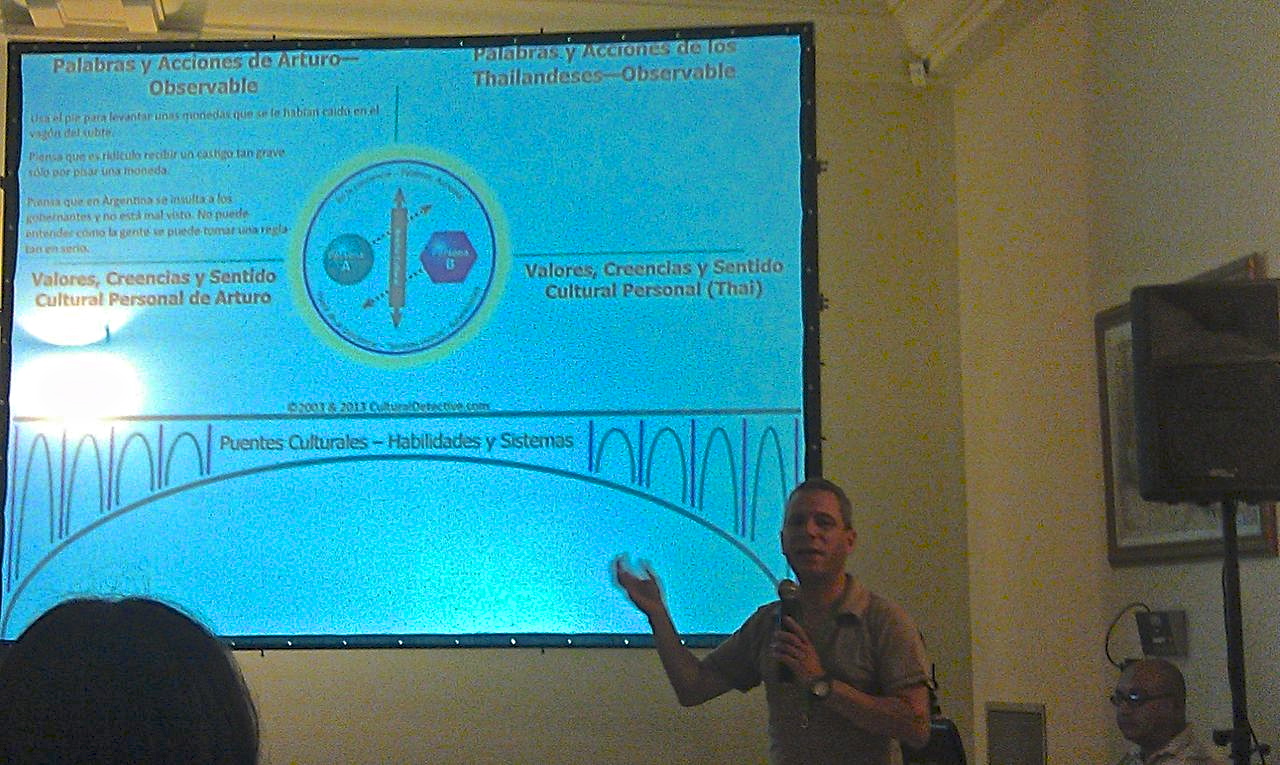
In my academic discipline, intercultural communication, some refer to the concepts of “big C” and “little c” culture (Bennett, 1998). Culture with a capital “C” usually means the objective aspects of a culture, that which is visible and overt. This includes the art, music, dance, etc.—the artifacts of culture, if you will. It also includes what it is that people say and do, the observable ways culture is expressed through its members’ behavior in daily life. This idea correlates with the “Words and Actions” section of a Cultural Detective Worksheet.
In contrast, “little c” culture refers to shared customs, norms, communication styles, values, assumptions, etc. This subjective part of culture is generally hidden, expressing itself in the verbal and nonverbal behavior of its members. Subjective culture is what lies beneath the behaviors, that is, why people do what they do, and correlates with the “Values, Beliefs and Cultural Common Sense” portion of a Cultural Detective Worksheet.
In some way, I reflected, each of these four art forms derived from an expression of “little c” culture that morphed into “big C” Culture, usually over some decades. Could this be the way of the world?
I first moved to Mexico in the 1970s as a foreign student, and was thrilled to live in Coyoacán, home to both Frida Kahlo and “La Malinche”! I was saddened to learn, however, that both these facts seemed disturbing or embarrassing to my host family; to me it appeared that there was little pride in national traditions or “things Mexican.” People with money purchased European designer brands and housewares; handmade and “artesenal” were looked down upon as signs you couldn’t afford “better.”
How happy I am to be living in Mexico again, and to find that now traditional arts and crafts, and local heritage and traditions, are much more celebrated. This perceived change would seem to echo the question I’d begun asking myself about if and how “culture” evolves into “Culture.”
What, if any, are the characteristics shared by these initially despised but now-celebrated art forms? Each involves overacting, melodrama, emotion, and exaggeration. Usually their themes revolve around the pain of injustice, and, frequently, love spurned, often due to class differences.
While researching these four forms of entertainment for this blog post, I realized the best part: each is a product of the creativity that comes about when cultures begin mixing and changing! Perhaps those often viewed as marginal and on the outskirts of a culture can have a powerful influence on the evolution of the culture. And, just maybe, this intermingling of different peoples in similar difficult circumstances can spark enormous creativity.
As The Jillbrary tells us, Bollywood is an intentional hybrid. It does “not speak to just one religious group, language, geographical area, or caste (as unrealistic as that may be)… The music incorporates styles from various traditions—North Indian and Carnatic classical, light classical, religious, and folk music, Hollywood, Latin, Chinese, and reggae. In Bollywood films, Muslims marry Hindus, Hindus marry Christians, and people from different societal classes can succeed and collaborate.”
Likewise, jazz is a hybrid, born out of African Americans living a marginalized experience, straddling two or more cultures, and dealing with powerlessness. What creativity and power that combination brought forth!
Tango and kabuki both rose to prominence alongside (or inside) brothels, and involved bending and blending of gender identities—in tango men teach men the dance steps, and in modern kabuki male actors play all the roles regardless of gender. Needless to say, these innovations emerged from the margins or edges of the culture; they were not initially activities of “mainstream” society (and thus, were not regarded as “art”)!
I find this tapestry intriguing. There are so many art forms, “Culture,” that originated with those living on the “fringes” of society. Often poor, underprivileged, and lacking resources, it may take time for mainstream culture to recognize such artistic contributions. When I grew up in the US Southwest, “Indian jewelry,” pottery, and weavings were not generally perceived to be worth much more than the materials involved in their creation; they were certainly not popularly considered the prized possessions many are today.
How does this view of “culture” morphing into “Culture” fit with your experience? Let’s continue the conversation! Please share with us some of your favorites, with links, if you would. Many thanks!
—
 ¡Tango! ¡Kabuki! ¡Bollywood! ¡Jazz! ¿Qué tienen en común?
Traducido por Maryori Vivas
¡Tango! ¡Kabuki! ¡Bollywood! ¡Jazz! Usted tiene que admitir que todos suenan emocionantes — llenos de vida, emoción, drama y… cultura. Cada uno es actualmente la base de una gran y lucrativa industria, y muchos de nosotros gratamente disfrutamos al menos una de estas formas de arte.
¿Pero que tienen las historias de estas cuatro formas de entretenimiento — desde lugares tan divergentes de nuestro planeta — en común?
Cada una se origina entre los pobres, desfavorecidos y marginados de una sociedad. Y cada una fue, en cierto punto, muy difamada y considerada impropia y con falta de decoro. Muchas de estas ahora populares formas de entretenimiento fueron prohibidas, algunas más de una vez, antes de que ganaran popularidad y finalmente se ganaran el respeto.
- Tango, nacido a finales de 1800 en medio de los muelles de Buenos Aires, fue originalmente interpretada y bailada por inmigrantes pobres. La clase media y alta fueron expuestas al tango inicialmente en bares y burdeles. Mientras podemos imaginar fácilmente que ellos lo disfrutaran en secreto, el tango no era algo que alguien bailara o escuchara abiertamente “en compañía cortés.” Considerando estas raíces humildes, quedé en shock al conocer el precio de una entrada a un “tango show” cuando estuve en Buenos Aires recientemente.
- Kabuki, quizás la forma más famosa de entretenimiento tradicional japonés, comenzó a finales de 1600 entre la gente común y era originalmente interpretada en las afueras en el lecho de un río. El kabuki fue inventado e interpretado por mujeres, frecuentemente prostitutas, y más tarde por chicos adolescentes, muchas veces en la prostitución también. Antes de esto, el teatro en Japón había sido únicamente para los aristócratas y principalmente involucraba el muy lento movimiento noh.
- Bollywood, la industria fílmica Hindú con sede en Mumbai alcanzó posiciones de prominencia durante los años de 1900, y es solo una parte de la enorme industria fílmica India. Durante mucho tiempo se ha visto como una caricatura, melodramática y no realista — no para respetarse como la danza clásica india y el teatro. A pesar de todo, usted puede viajar a cualquier lugar en el mundo y disfrutar un film de Bollywood. La industria ha presentado la cultura india al mundo, mientras envía mensajes universales como el amor y el duelo.
- Jazz comenzó en el sur de Estados Unidos con raíces afroamericanas. Sus comienzos se remontan a la música tradicional Africana transformada en canciones de trabajo y “gritos en el campo”. La música evolucionó en medio de la injusticia de la esclavitud, la espiritualidad que brindaba la esperanza de la redención, y el coraje para enfrentar la adversidad en la travesía hacia la libertad. Lo que se convertiría en Jazz se trasladó de los campos a los burdeles y bares, y eventualmente fue “descubierto” y ahora es respetado, admirado e interpretado alrededor del mundo.
¿Por qué estos temas, aparentemente muy diferentes, en mi mente? Si usted lee este blog regularmente, usted sabe que recientemente tuve el placer de visitar Argentina y allí aprendí de la historia del tango — el primer sorbo. Conozco de la historia del kabuki de los años que viví en Japón, y la similitud de historias me intrigó. Ponderando la historia del jazz, me dí cuenta de tres historias similares. Luego, sólo ayer el artículo de Lord Meghnad Desai sobre Bollywood llegó a mi escritorio y pensé que quizás esas historias no eran simple coincidencia, ¡debería mejor prestar atención!
En mi disciplina académica, comunicación intercultural, algunos se refieren a los conceptos de la cultura de “C mayúscula” o de “c minúscula”. Cultura con “C” mayúscula usualmente se refiere a los aspectos objetivos de una cultura que son visibles y evidentes. Esto incluye el arte, música, danza etc. – los artifacts si prefiere. También incluye lo que la gente dice y hace, las maneras observables de la cultura expresadas a través del comportamiento de sus miembros en su vida diaria. Esta idea se relaciona con la sección “Palabras y Acciones” de la hoja de trabajo de Cultural Detective.
En contraste, la cultura con “c minúscula” se refiere a las costumbres, normas, estilos de comunicación, valores, supuestos, etc que son compartidos. Esta parte subjetiva de la cultura está generalmente escondida, expresándose a sí misma en el comportamiento verbal y no verbal de sus miembros. La cultura subjetiva es la que se esconde tras los comportamientos, esto quiere decir por qué la gente hace lo que hace, y se relaciona con la sección “Valores, Creencias y Sentido común cultural” de Cultural Detective.
De alguna manera, reflexioné, cada una de estas cuatro formas de arte se derivan de una expresión de la “c minúscula” que se transforma en “C mayúscula”, usualmente luego de varias décadas. ¿Podría ser esta la manera de ser del mundo?
Me mudé por primera vez a México en los años 70 como estudiante extranjera, y estaba emocionada de vivir en Coyoacán, la tierra de Frida Kahlo y “La Malinche”. Yo estaba muy triste de saber, sin embargo, que estos dos hechos parecían molestar o avergonzar a mi familia anfitriona; a mí me parecía que había poco del orgullo por las tradiciones nacionales o “cosas mexicanas”. La gente adinerada compraba marcas de diseñadores europeos y artículos para el hogar; las artesanías y lo hecho a mano se veía con menosprecio por ser una muestra que usted no podía comprar algo “mejor”.
Qué feliz me siento de estar viviendo en México nuevamente, y de encontrar ahora artes tradicionales y artesanías, y herencias locales y tradiciones, ahora son mucho más celebradas. Este cambio perceptible parecería hacer eco de la pregunta que me había hecho acerca de cómo la “cultura” evoluciona en “Cultura”.
¿Cuáles, si algunas, son las características compartidas por estas formas de arte inicialmente despreciadas y ahora valoradas? Cada una involucra sobreactuación, melodrama, emoción y exageración. Usualmente sus temas se desenvuelven alrededor del dolor de la injusticia, y, frecuentemente el amor desdeñado, usualmente debido a la diferencia de clases.
Mientras investigaba estas cuatro formas de entretenimiento para esta nota del blog, me di cuenta de la mejor parte: ¡cada una es producto de la creatividad que llega cuando las culturas comienzan mezclándose y cambiando! Quizás aquellas que son percibidas como marginales y en la periferia de una cultura pueden tener una poderosa influencia en la evolución de la cultura. Y, tal vez esta interrelación de diferentes personas en similares circunstancias difíciles puede detonar una gran creatividad.
Como nos dice The Jillbrary, Bollywood es un híbrido intencional. “No haba únicamente a un grupo religioso, idioma, área geográfica, o casta (tan irrealista como esto puede ser)… La música incorpora estilos de varias tradiciones — del norte de India y Carnática clásica, clásica ligera, religiosa, y música folclórica, Hollywood, Latina, China, y reggae. En los films de Bollywood, musulmanes se casan con hindúes, hindúes se casan con cristianos, y la gente de diferentes clases sociales puede triunfar y colaborar.
Del mismo modo, el jazz es un híbrido nacido de afroamericanos viviendo una experiencia marginadora, horcajadas de dos o más culturas, y lidiando con la impotencia. ¡Qué creatividad y poder originaron de esa combinación!
El tango y el kabuki los dos llegaron a ocupar un lugar de prominencia junto a (o dentro de) burdeles, e involucraban la participación y mezcla de identidades de género — en el tango los hombres enseñan a los hombres pasos de baile, y en el kabuki moderno los actores (puros hombres) pueden representar cualquier papel sin importar el género. No hace falta decir, estas inovaciones emergieron en el margen o bordes de la cultura; no eran actividades de la corriente principal de la sociedad.
Encuentro todo esto fascinante. Hay muchas formas de arte, “Cultura” que se originaron con aquellos viviendo en al “borde” de la sociedad. Frecuentemente pobres, desfavorecidos y con falta de recursos; puede tomar tiempo para la cultura principal reconocer sus contribuciones artísticas. Cuando crecí en el suroeste de los Estados Unidos la “joyería india’’, cerámica y tejidos no eran generalmente percibidos con un costo mucho mayor que aquel de los materiales usados en su creación; ciertamente no eran popularmente considerados las preciadas posesiones que muchos de ellos son hoy.
¿Cómo esta visión de “cultura” transformándose en “Cultura” se ajusta a su experiencia? Sigamos con esta conversación. Comparta con nosotros alguna de sus experiencias favoritas con enlaces, si le es posible. Muchas gracias.
—
タンゴ ! 歌舞伎 ! ボリウッド ! ジャズ ! すべてにつながっていることは?
翻訳:幸田隆
タンゴ ! 歌舞伎 ! ボリウッド ! ジャズ ! これらのすべては人をワクワクさせます。活気、興奮、ドラマ、そして、文化。それぞれのアートは今や、私たちに大きな富をもたらしてくれるものです。これらの中で、少なくとも1つは大いに楽しんでいる人も多いのではないでしょうか。
地球上の様々な場所で広がった、これら 4 つのエンターテイメントの歴史に、共通していることとしては、どのようなことがあるでしょうか。
それぞれのエンターテイメントの原点は、貧しい、恵まれない、疎外された社会にあります。これらすべてのエンターテイメントには、社会で、多くの非難を浴び、不適切で、品性に欠けていると考えられていた時期があります。今や日常的な娯楽となった、これらのエンターテイメントは、社会で、人気を博し、よいものとして認められるまでに、少なくとも一度は禁止されたことがあります。
- タンゴ: 1800 年代の後半、ブエノスアイレスで生まれ、貧しい移民が演じ、踊ったもの。タンゴは当初、バーや売春宿で、中流、上流階級によって楽しまれたものでした。タンゴを聞いたり、踊ったりすることはマナーのある人が公然とすることではありませんでした。秘かに楽しまれていたタンゴの様子は想像できると思います。このようなひかえめなタンゴの歴史を考えると、最近ブエノスアイレスへ行ったときに見た、「タンゴショー」チケットのあまりにも高い値段にショックを受けました!
- 歌舞伎: おそらく、日本の伝統芸能で最も有名なもの。1600年代に大衆の間で広がり、もともと、野外の河川敷で行われました。そもそも歌舞伎を始め、演じたのは女性で、その多くは売春婦であったと言われています。しばらくすると、男性によっても演じられましたが、その多くは水商売にかかわる男性でした。歌舞伎以前の演劇は、貴族だけが楽しめるもので、ゆっくりとした動きの能が主なものでした。歌舞伎はこんなにも長い道のりを歩んできたのです。
- ボリウッド: 1900 年代に広がり、ムンバイに拠点を置く、インドの映画業界のこと。ボリウッドは、巨大なインドの映画産業の一部です。ボリウッドの映画は、風刺、メロドラマ、非現実的なものとして長い間考えられていて、インドの古典舞踊や演劇のように尊敬を集めるものではありませんでした。でも、今や世界中のどこへ旅をしても、ボリウッドの映画を楽しむことができます。ボリウッドは愛や悲しみという普遍的な価値を伝えながらも、世界中にインド文化も紹介しています。
- ジャズ: アメリカ合衆国南部、アフリカ系アメリカ人により始められたもの。そのルーツは、仕事をしながら歌う歌、「畑の叫び」に関係した伝統的なアフリカの音楽につながっています。ジャズは、奴隷制度は不当であるという思いから広がりました。自由を勝ち取るために逆境に立ち向かう勇気、いつかは救われるという希望を魂で訴える力から広がりました。ジャズとして確立される前のものは売春宿やバーで表現されていました。それがやがて注目され、今や、よさが認められ、たたえられ、世界中で奏でられるようになりました。
どうして、一見してあまりつながらないようなこれらのエンターテイメントが、私の頭に同時に浮かんだのでしょうか? 定期的にこのブログを読んでいただいている方は、私が最近、アルゼンチンを訪ね、タンゴの歴史(最初の投稿)にふれたことをご存知でしょう。歌舞伎の歴史は、私が日本に数年間住んでいたときに学び、とても興味をもったものです。ジャズの歴史に関しては、ブログで3つの投稿をしています。そして、昨日、メグナッド・デサイ卿のボリウッドに関する記事を、自分の書斎で偶然読みました。これらのことは偶然ではない。深く考えた方がいい。このように思った次第です。
私の専門である、異文化間コミュニケーションの領域では、“大きなC”の文化と“小さな c”の文化という考え方があります。大文字のCで始まるCulture、つまり“大きなC”の文化は、文化のはっきりと、目に見える客観的な側面になります。芸術、音楽、ダンスなど、人間が生み出した工芸品が“大きなC”の文化になります。“大きなC”の文化は日常生活で表現される人々の言葉や行動でもあります。この説明は、異文化間コミュニケーション教材「Cultural Detective Worksheet(異文化の探偵ワークシート)」の「言葉と行動」の章に書かれています。
それに対して、“小さな c”の文化は、習慣、行動規範、コミュニケーション・スタイル、価値観、当たり前と思っている常識などを意味しています。“小さな c”の文化は、文化の主観的な側面で、通常、言葉や非言語の表現の中に潜んでいます。主観的な文化は、行動の背後にあること、つまり、どうして、人はそれをするのかという理由と関係しています。このことは、教材「Cultural Detective Worksheet」の「価値観、信念、文化的な常識」の章に書かれています。
ある意味で、これら4種類のアートであるエンターテイメントは、それぞれ、長い間、“大きなC”の文化に形を変えてきた“小さな c”の文化の表現なのかもしれません。世の中には、このようなことが、よくあることなのでしょうか?
1970 年代、私は留学生として、初めてメキシコに行ったことがあります。私は、メキシコシティのコヨアカンで暮らしました。ここは画家のフリーダ ・ カーロと「ラ マリンチェ」の故郷で、毎日ワクワクした気持ちで過ごしていました。でも、私のホストファミリーにとって、これらの話題は何となくはずかしくて、避けられているものだということを学びました。当時の私には、メキシコ人が「メキシコらしいもの」や自分の国の伝統に、あまり誇りというものをもっていないようにも思われました。メキシコのお金持ちはヨーロッパのデザイナー ブランドや食器類を好んで買い求め、手作りの伝統工芸品は、お金に余裕のない人が買うものとして、避けられているような気がしました。
私は幸運にも今また、メキシコに住んでいます。そして、今は、メキシコの伝統工芸品や地元の遺産や伝統が、人々によって大切にされるように変わったことが感じられます。メキシコで、自国の文化に対する見方がこのように変わったという、この体験が、自分の中で、エンターテイメントの話とつながりました。“小さな c”の文化は、どのように、“大きなC”の文化へと形を変えていくのでしょうか?
初めは人々に軽べつされていても、今になると芸術的なものとして評価を受けているもの。そういうものには、どのような特徴があるのでしょうか? それには、大げさな演技、メロドラマ、感情、誇張表現が関係しています。格差社会によって生み出されることが多い、不公正な現実へのつらい気持ち、拒絶された愛がテーマとなっています。
このブログの投稿のために、これら 4 種類のエンターテイメントについて調べていて気づいたことがあります。それぞれのエンターテイメントは、いくつかの文化が混ざり、変化し始めたときに生まれる創造性の表れであるということ。文化の発展に大きな影響力をもっているのは、そのときの主流の文化からはずれていて、社会の境界線上に住んでいると考えられる人々なのかもしれません。同じ困難な境遇におかれた、様々な人たちがかかわり合うことで、創造性の大きな花が開花していくのではないかと思いました。
ジルブラリィの記事によれば、ボリウッドは、意図的なハイブリッド文化です。ボリウッドは、1つの宗教、1つの言語、1つの地域、1つのカースト (非現実的ではありますね) という枠を超えたものです。ボリウッドの音楽は、北インドの音楽、南インドのカルナティック音楽、ライトクラシック音楽、宗教音楽、フォーク、ハリウッド、ラテン、中国、レゲエなど様々な伝統やジャンルを統合したものです。ボリウッドの映画では、イスラム教徒がヒンズー教徒と結婚したり、ヒンズー教徒がキリスト教徒と結婚したり、様々な社会階層の人が成功したり、力を合わせて働いたりもします。
同様に、ジャズもハイブリッド文化です。社会の本流からはずれる体験、2つ以上の文化にまたがる体験、無力感を味わった体験をしてきたアフリカ系アメリカ人から生まれました。こうした体験が混ざり合って、創造性とパワーが生み出されたのです。
タンゴと歌舞伎は両方とも、売春宿に関係したところ(あるいは、その中)で発展していき、男女の性別が変わったり、混じったりしながら演じられてきました。タンゴでは、男性が男性にダンスのステップを教えていたし、現代の歌舞伎では、すべての役を男性が演じることになっています。これらの革新的なスタイルは、境界線上にある文化に表れたものです。当初は、社会の主流ではありませんでした。
私は、このようなタペストリー (つづれ織り)に心を惹かれます。社会の片隅に暮らしている人々によって創り出されるアート、つまり“大きなC”の文化は、世の中に実にたくさんあります。貧しくて、差別を受け、恵まれない人たちの芸術的な貢献に、そのときの主流の文化の人たちが気づいていくには時間がかかるのかもしれません。アメリカ南西部で育った私は当時、アメリカインディアンの宝物、焼き物、織物が素材以上の価値あるものとしては社会に認められてはいないと感じました。でも、今は、たくさんの人が、それを好んで求め、価値あるものとして認めるようになりました。
いかがでしょうか? “小さな c”の文化が“大きなC”の文化へと形を変えていくという、この考えは、みなさんの経験に当てはまるでしょうか? 話を続けていきましょう。このブログを、みなさんのお気に入りに登録していただいたり、リンクを張っていただければうれしいです。ありがとうございます。
—
टैंगो! काबुकी! बॉलीवुड! जैज्ज़ ! क्या इनमें कोई समानता है?
मृदुला दास द्वारा अनुवादित
मानना पडेगा कि ये चारों नाम सुनने में काफ़ी मज़ेदार और रोमांचक लगते हैं I ज़िन्दगी से भरपूर, रोमांचक संकृति के प्रतीक, ये कला के रूप अपने आप में भिन्न भिन्न देश और भाषा के लोगों द्वारा तैयार किये गए हैंl प्रत्येक रूप अपने आप में वर्तमान में एक बेहद आकर्षक उद्योग का आधार है, और हम में से कई इनमें से कम से कम एक कला रूप का आनंद तो लेते ही हैं ।
पर क्या ये चारों मनोरंजन के अवतार- जो कि इस धरती के भिन्न भिन्न देशों के उपज हैं- के जन्म और इतिहास में कोई समानता है?
प्रत्येक मनोरंजन – टैंगो, काबुकी, बॉलीवुड, या जैज्ज़ – का जन्म किसी गरीब,अल्पाधिकारप्राप्त, और मार्जिनलाइज़ड देश में हुआ हैl प्रत्येक रूप को किसी न किसी समय में निन्दित और अनुचित एवं असंगत माना गया हैl आज के ये चर्चित मनोरंजन के रूप कभी न कभी, इनके लोकप्रियता में वृद्धि से पहले, समाज और समाज के ठेकेदारों द्वारा एक बार नहीं, बल्कि अनेकों बार प्रतिबंधित और वर्जित किये गए हैंl ये और बात है की इन रूपों को अंततः प्रतिष्ठा और लोकप्रियता प्राप्त हुई हैl
- टैंगो की पैदाइश ब्यूनस आयर्स (Buenos Aires) के नाव घाट के बीच १८०० के उत्तरार्द्ध में हुई हैl टैंगो, मूल रूप से गरीब आप्रवासियों द्वारा नृत्य किया गया और खेला जाता था.मध्यम और उच्च वर्गों के रसिक टैंगो से पहल पहल मदिरालय और वेश्यालयों में परिचित हुएl हम आसानी से कल्पना कर सकते हैं कि ये वर्ग के लोग इस मनोरंजन का चुपके से मज़ा तो ले रहे थे लेकिन उसे सभ्य समाज में अभी तक कोई मान्यता प्राप्त नहीं थी और लोग उसे खुलकर सबके सामने नाचने और मज़ा लेने की जुर्रत नहीं करते थेl इस अत्यंत ही गरीब कला का हाल ही में जब ब्यूनस आयर्स में एक ” टैंगो शो” के टिकट खरीदने गयी तो टिकेट की कीमत देख कर मैं अचंभित हो गयीl
- काबुकी, शायद सबसे प्रसिद्ध परंपरागत जापानी मनोरंजन का रूप हैl यह आम लोगों के बीच १६०० सदी में शुरू हुआ था , और मूल रूप से सड़क पर या नदी के सूखे ताल पर प्रदर्शन किया गया था। काबुकी का आविष्कार और प्रदर्शन मूल रूप से महिलाओं और कभी कभार वेश्याओं द्वारा की जाती थीl आगे चलके इसका प्रदर्शन सिर्फ किशोर बालक और वेश्याएं ही करने लगेl इसके पहले जापान में रंगमंच केवल संभ्रांत श्रेणी के लिए था और इस पर अत्यंत ही धीमे गति वाला नोह का प्रदर्शन होता थाl काबुकी अपने आदि रूप से काफी आगे पहुँच चूका है और आज हम सब को रोमांचित करने में कोई कसार नहीं छोड़ी हैl
- बॉलीवुड ने, जो की मुंबई स्थित हिन्दी फिल्म उद्योग का हिस्सा है , १९०० के दौरान प्रमुखता प्राप्त की l इसे लंबे समय तक एक कार्टून, नाटकीय और अवास्तविक कला के रूप में देखा गया और इसको शास्त्रीय भारतीय नृत्य और थियेटर की तरह सम्मान नहीं दिया गया l फिर भी, इन दिनों, आप दुनिया के किसी भी कोने में बॉलीवुड फिल्म का आनंद लें कर सकते हैंl इस उद्योग ने दुनिया को भारतीय संस्कृति से परिचित कराया है जबकि इसमें अन्तर्हित सार्वभौमिक प्रेम और वियोग कथा सभी दर्शकों के लिए सामान हैl
- जैज्ज़ अमेरिकी अफ्रीकी जड़ों से दक्षिणी संयुक्त राज्य अमेरिका ( साउथ अमेरिका) में शुरू हुआ। इसकी शुरुआत पारंपरिक अफ्रीकी संगीत को कर्म क्षेत्र गीतों,यानी काम के साथ साथ गाये गए गीतों) के रूप में हुई l यह संगीत गुलामी से मुक्ति और आजादी की खोज करने वाले बंधुआ मजदूर को विपरीत परिस्थितियों का सामना करने के लिए साहस और आध्यात्मिक शक्ति प्रदान करता रहा l धीरे धीरे जैज्ज़ खेतों से निकल कर मदिरालय और वेश्याघरों में पाया जाने लगा l अंततः इसकी प्रतिष्ठा स्थापित हो गयी और अब जैज्ज़ को सम्मान और प्रशंसा के साथ दुनिया भर में बजाया और गाया जाता है l
अब प्रश्न यह है कि इन अत्यंत अलग दिखने वाले विषयों को क्यों मैं एक कड़ी में बाँधने की कोशिश कर रही हूँ?
अगर आप मेरा ब्लॉग नियमित्ग रूप से पढ़ते हैं तो आपको पता होगा की हाल ही में मैं अर्जेंटीना गयी थी और वहां मुझे जैज्ज़ के इतिहास का ज्ञान हुआ— इस प्रसंग की पहली कड़ीl जापान में रहते हुए काबुकी के इतिहास के बारे में मैं पहले ही जानती थी l इन दोनों कलाओं के इतिहास की समानता मुझे काफी कुतूहल कर रहा हैl अब जैज्ज़ के इतिहास के बारे में सोचते हुए मुझे तीन सामान कड़ियाँ मिल रही हैंl कल ही मैं लार्ड मेघनाद देसाई ( Lord Meghnad Desai) की लेख पढ़ रही थी जिसमें बॉलीवुड के इतिहास का ज़िक्र हैl अब मुझे इन सभी कड़ियों को जुड़ने और इनके समानता का आभास हो गया हैl
मेरे अकादमिक डिसिप्लिन, “इण्टर्कल्चुरल कम्युनिकेशन” (Intercultural Communication)में बिग C ( Big C) और स्माल c (Small c) कल्चर ( संस्कृति) का ज़िक्र उठता हैl बिग C कल्चर का मतलब है किसी भी संस्कृति का वस्तुनिष्ठ पहलू जो की दिखाई देता है और लोगों को उपरी सतह पर नज़र आता है, जैसे की नृत्य, संगीत इत्यादि– जो की कला के प्रतिकृतियाँ हैंl इस केटेगरी में लागों के बोलचाल और व्यवहार भी सम्मिलित है जो प्रत्यक्ष रूप में किसी भी दर्शक के लिए उपलब्ध है यह विचार कल्चरल डिटेक्टिव कार्यपत्रक ( Cultural Detective Worksheet) के “शब्दों और कार्यों” (“Words and Actions” ) अनुभाग के साथ सम्बंधित है l
इसके विपरीत, “छोटी सी” संस्कृति लोगों के रीती, रिवाज़, बोलचाल के ढंग, मूल्यों, मान्यताओं, आदि को दर्शाता है l संस्कृति का इस व्यक्तिपरक भाग आम तौर पर अपने ही सदस्यों की बोलचाल और हाव भाव में अव्यक्त रूप से छिपा हुआ रहता है l व्यक्तिपरक संकृति ( सब्जेक्टिव कल्चर ) लोगों के व्यवहार के पीछे छिपे अर्थ को उजागर करता है l यह ये बताता है की लोग जो करते हैं या कहते हैं उसके पीछे क्या कारन हो सकता है और वो ऐसा क्यों करते हैं l कल्चरल डिटेक्टिव कार्यपत्रक (Cultural Detective Worksheet )के “मूल्यों, विश्वासों और सांस्कृतिक सामान्य ज्ञान” (“Beliefs, Values, and Cultural Common Sense” ) अनुभाग में इस बात का ज़िक्र है l
काफी चिंतन के बाद मुझे ऐसा लगता है कि ये चारों कला के रूप का अविर्भाव कहीं न कहीं स्माल सी कल्चर के बिग सी कल्चर में सम्मिलित और परिवर्तित होना दर्शाता है l किसी भी संस्कृति का उभर के आना कोई एक या दो दिन का काम नहीं, इसके लिए सदियाँ लग जाते हैं. शायद यही दुनिया कि रीत है l
मैं पहली बार मेक्सिको में एक विदेशी छात्र के रूप में 1970 के दशक में गयी , और कोयुआक्न (Coyoacán ) में ठहरी, जो कि फ्राइडा काहलो (Frida Kahlo) और “ला मालिंचे” (La Malinche) का जन्म स्थान था l मैं तो बहुत खुश थी , लेकिन मुझे ये बात सता रही थी कि मेरे मेजबान, जिनके घर मैं ठहरी थी, इस बात से काफी शर्म महसूस करते थेl मुझे ऐसा लगा कि अपने राष्ट्रीय परंपरा और हस्त कला पर यह लोग कुछ ज्यादा गर्व महसूस नहीं करते हैं l पैसे वाले लोग यूरोपीय डिसाइनर ब्रांड्स और घर का सामान खरीदते हैं स्थानीय हस्तकला या मेक्सकन चीज़ों को इस्तेमाल करने से कतराते हैं क्योंकि यह गरीबी का सूचक है l
अभी मैं फिर से मेक्सिको में रहती हूँ और यह देख कर खुश हूँ कि आजकल यहाँ स्थानीय हस्त कला और और पारंपारिक वस्तुओं को बहुत मान्यता दे रहें हैं l यह जो सोच में बदलाव आया है,यह मुझे मेरे मूल प्रश्न को दुबारा दोहराने पे मजबूर करता है कि अगर स्माल सी कल्चर बिग सी कल्चर में बदलता है तो कैसे बदलता है ?
ये चारों कला के रूप आपस में कई समानताओं के कारन जुड़े हुए हैं l चारों के चारों शुरू में निन्दित और तिरस्कृत थे, लेकिन अभी अपने अपने संस्कृति के अभिन्न रूप बन गए हैं l चारों में ओवरएक्टिंग, भावनाओं कि अतिशयोक्ति और मेलोड्रामा शामिल है l आम तौर पर उनके विषयों में दर्द, अन्याय, ठुकराइ हुई प्रेमकथा, वर्ग भेद के कारण किया हुआ अन्याय का प्रदर्शन है l
इस ब्लॉग पोस्ट ( Blog post) के लिए मनोरंजन के इन चार रूपों पर शोध करते हुए, मुझे यह एहसास हुआ कि हर एक रूप अपने आप में भिन्न भिन्न संस्कृतियों के मिश्रण और वृद्धि के समय उमड़े हुए रचनात्मक उबाल का परिणाम है l शायद लोग जो मार्जिनलाइज्ड, और समाज के उपांत में है उनका संस्कृति के विकास पर एक शक्तिशाली प्रभाव है. और शायद इसी तरह कठिन परिस्थितियों में रहने वाले अलग अलग लोगों के मिलने जुले और एक दुसरे के संस्पर्श में आने से एक भारी रचनात्मकता चिंगारी उत्पन्न हो सकता है ।
जैसे कि ” द जिल्ल्बैरी” (The Jillbrary) में कहा गया है, बॉलीवुड एक सुविचारित मिश्रण है– यह किसी जाती या धर्म विशेष, भाषा या भौगोलिक क्षेत्र को संबोधित नहीं करता है l बॉलीवुड संगीत विभिन्न परंपराओं का सम्मिश्रण है- इसमें हिंदुस्तानी और शास्त्रीय संगीत, धार्मिक और लोक गीत, हॉलीवुड, चीनी, रेगे इत्यादि सभी का इस्तेमाल होता है l बॉलीवुड सिनेमा में हिन्दू, मुस्लिम, ईसाई सभी एक दुसरे से शादी कर सकते हैं और समाज के उच्च और निम्न वर्ग मिल जुल कर एक दुसरे के सहायता से सफल हो सकते हैं l
ठीक इसी तरह जैज्ज़ भी एक सम्मिश्रण है. अफ्रीकी अमेरिकियों के मार्जिनलाइज्ड होने का अनुभव से उत्पन्न यह कला उनके दो संस्कृतियों के बीच बंधे रहने कि बेबसी से निपटने कि अनुभूति कि पैदाइश है l इस रचनात्मक शक्ति का प्रदर्शन अतुलनीय और अत्यंत ही प्रभावशाली है l
टैंगो और काबुकी दोनों कि प्रसिद्धी वेश्यालयों के प्रसिद्धी के साथ (और वेश्यालयों के अन्दर) ही बढ़े l दोनों कला रूपों में पुरुष ही नृत्य प्रदर्शन करते हैं और एक दुसरे को सिखाते भी हैं, भले ही पात्र नारी या पुरुष का हो l आधुनिक काबुकी में पुरुष अभिनेता ही पुरुष एवं नारी दोनों भूमिकाएँ निभाते हैं l ज़ाहिर है कि इनका आविर्भाव समाज के मुख्यधारा के बाहर हुआ है; वे शुरू में “मुख्यधारा” समाज की गतिविधियों नहीं थे!
मुझे यह चित्रपट लुभावना लगता है। यहाँ कई कला रूपों, “संस्कृति” ( Culture)( बिग सी) का उत्पन्न समाज के “किनारे” पर रहने वाले लोगों के साथ हुआ है l अक्सर गरीब, वंचितों और कम संसाधनो द्वारा सृजन किये गए इन कलात्मक योगदान को पहचान देने में मुख्य धारा संस्कृति काफी समय लगाता है l US Southwest में, जहाँ मैं पली बढ़ी, इंडियन ( Native American) गहने, मिटटी के कलात्मक वस्तुएं, बुनावट, आदि का मुल्यांकन अपने सृजन में शामिल सामग्री से अधिक नहीं किया जाता था; आज के जैसे उन वस्तुओं को निश्चित रूप से लोकप्रिय, बेशकीमती संपत्ति नहीं माना जाता था l
आपके हिसाब से यह स्माल सी और बिग सी का सम्मिश्रण क्या आपके अनुभव के साथ ताल मेल खाता है? इसे पढ़ने के बाद, अगर आपको सही लगे तो, कृपया आपके अनुभव हमारे साथ बांटिये. अगर आपने इसे किसी किताब या नेट आर्टिकल से लिया है, तो उसका रेफेरेंस और लिंक भी भेजना मत भूलियेगा. धन्यवाद!
 I woke up with a message from Istanbul: “Mai! We are having a Turkish Spring!”


 #1: JUNE 3, Online






 Cultural Detective Blog